March 27th - April 29th, 2025
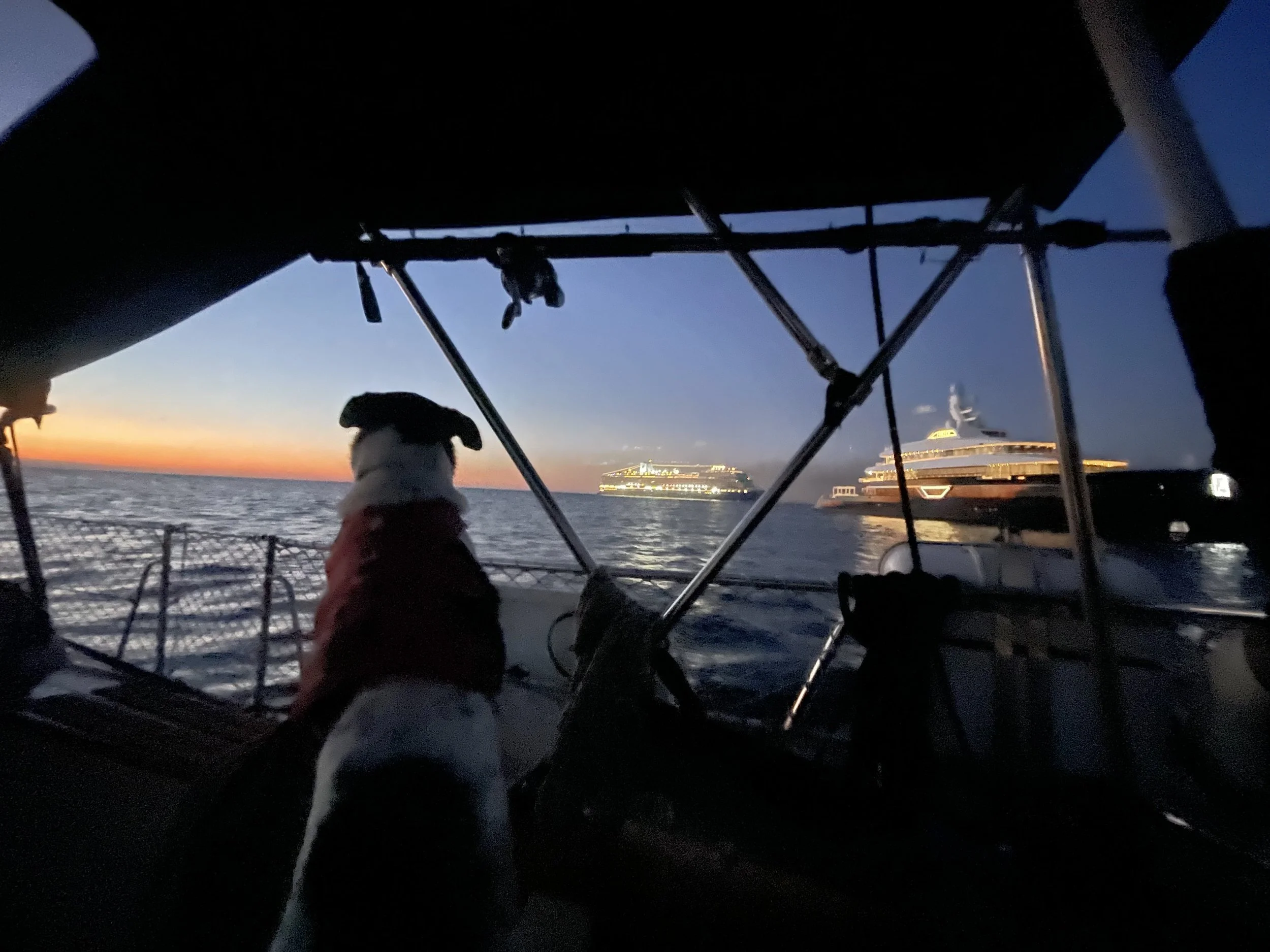
Wow, it’s been nearly a year since my last blog post, and there is so much to catch up on! Although we started our travels in Mexico late in the sailing season, we packed a lot of amazing adventures into those spring months. After completing the long journey down the western side of the Baja Peninsula last March, our initial enthusiasm on arriving in Cabo San Lucas was short-lived. While it was thrilling to have sailed to such an idyllic place that we had seen on many a travel advertisement, and we enjoyed the conveniences of a dinghy dock and a large grocery store, the chaotic levels of activity in the anchorage got old quickly. Jet skis zoomed around yards from the boat all day, their wakes slamming against Otaria’s hull so violently that Desi ran for cover, and working at my computer, I felt more nauseous than I ever had at sea. Cruise ships arrived early each morning, unloading thousands of passengers, and party boats circled us, blasting club music. We counted down the hours until sunset, when the crowds of tourists moved from the water to the clubs and restaurants on shore, and our home once again felt peaceful. After a few days of this, we abandoned our plan to stay until the weekend, and after exploring the shops, enjoying a meal out, and stocking up on provisions, we left at dawn mid-week, sailing nine hours northeast to Los Frailes. It was my first time working underway, but the motion from sailing was nothing compared to being at anchor in Cabo, and aside from missing out on some whale sightings, I did fine.
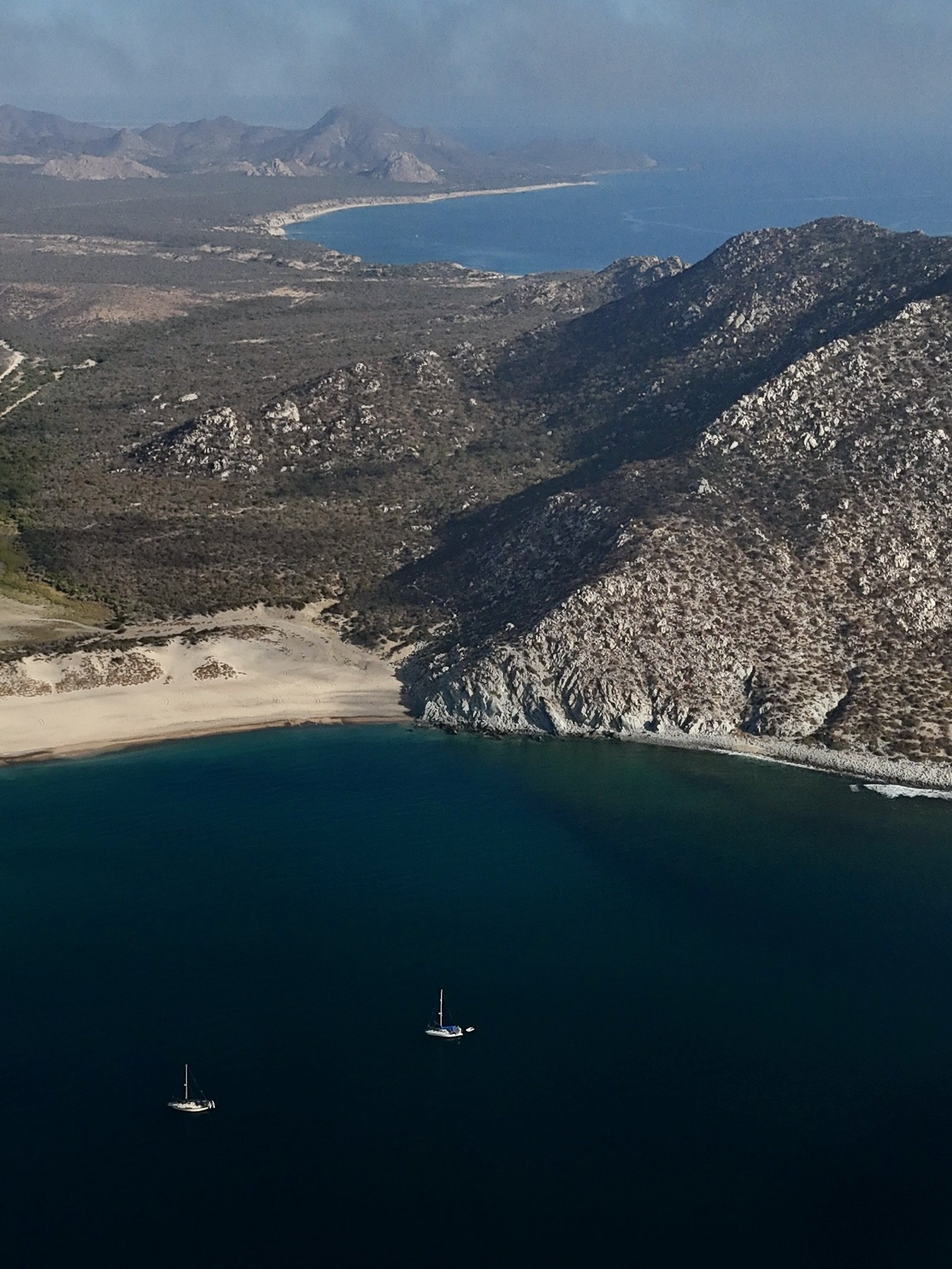
Los Frailes was a welcome relief, a quiet anchorage with only a few other sailboats and a handful of pangas (local fishing boats) around. We got Desi to shore for some exercise, met some people on neighboring boats, and spent hours watching the sting rays shoot out of the water all around us, flipping in the air repeatedly before landing with loud slapping noises. We spent Saturday relaxing on the beach, snorkeling, and playing with Desi, then watched a movie in the cockpit, pausing it often to watch the whales breaching in the distance. We lost track of how many whales we saw, and at night, I could hear their calls through the hull of the boat.
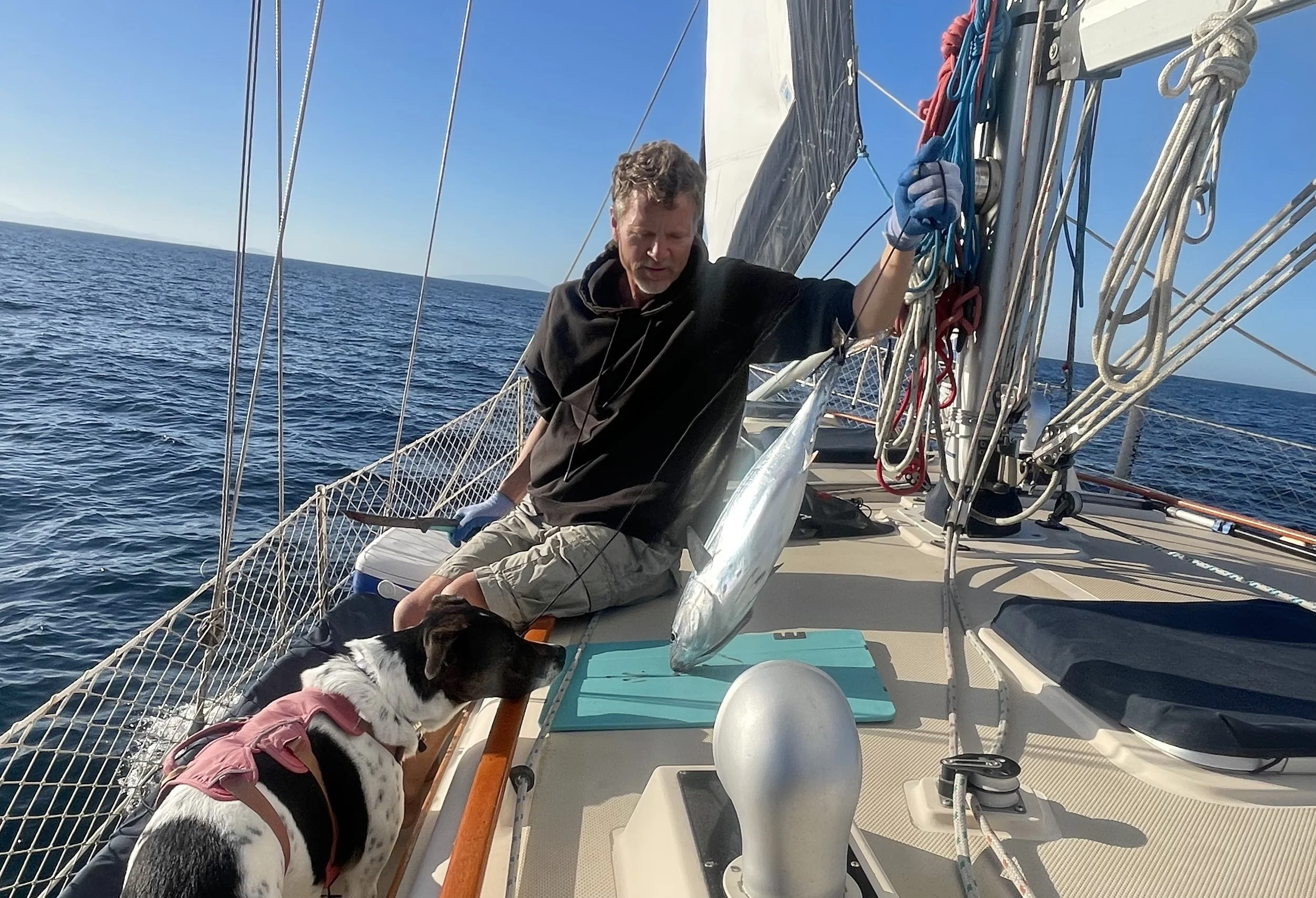
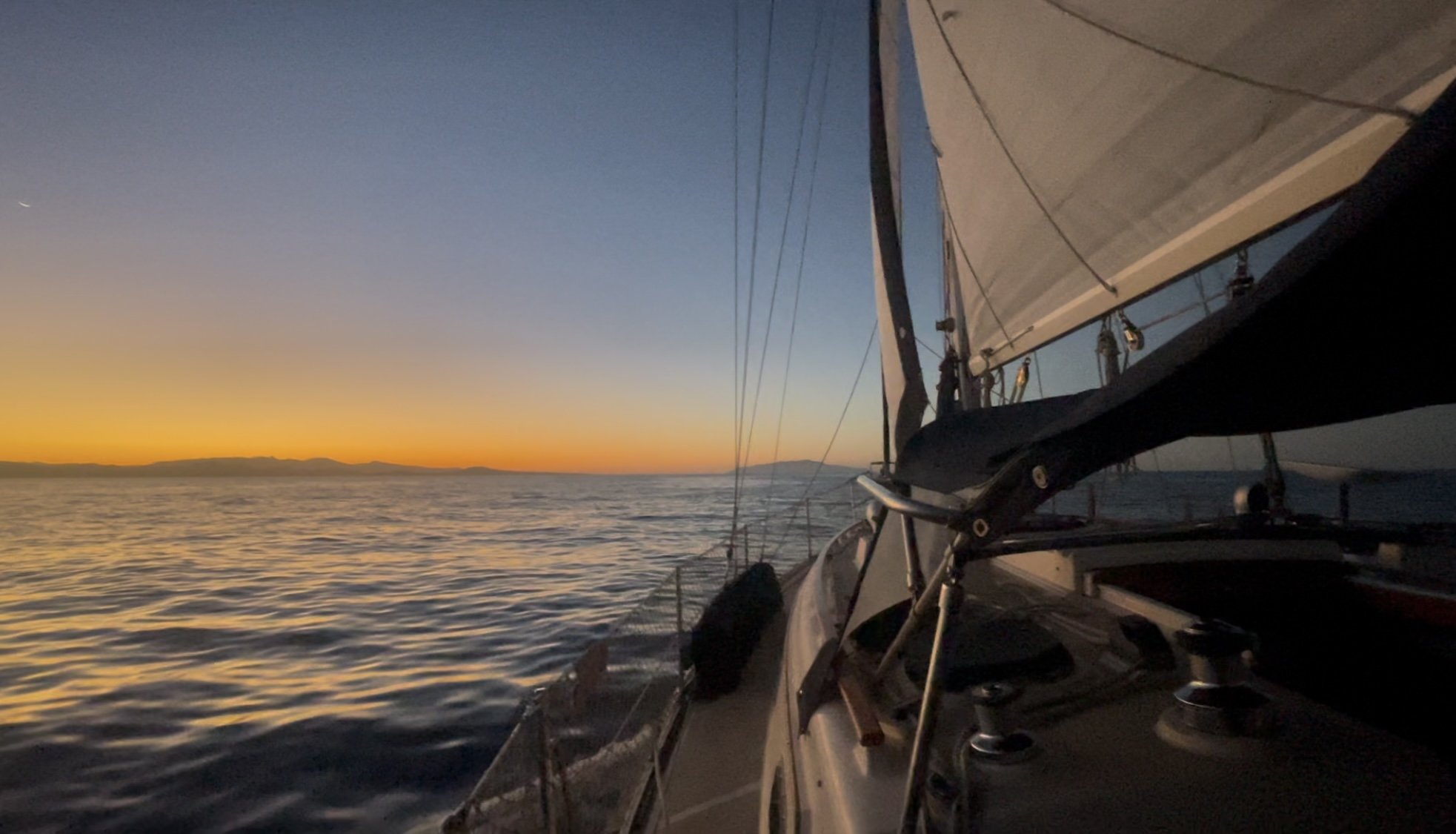
The next morning, we departed on a 20.5-hour sail to La Paz. The trip was mostly upwind, which was slow going, but thankfully, the seas were calm, and we were able to sleep. Karl took longer watches, enjoying the beautiful weather, and catching a couple of fish, while giving me time to rest before work in the morning. We arrived just as the sky lightened, and wound our way through the channel, dropping anchor in a large and populated anchorage across from the bustling city.
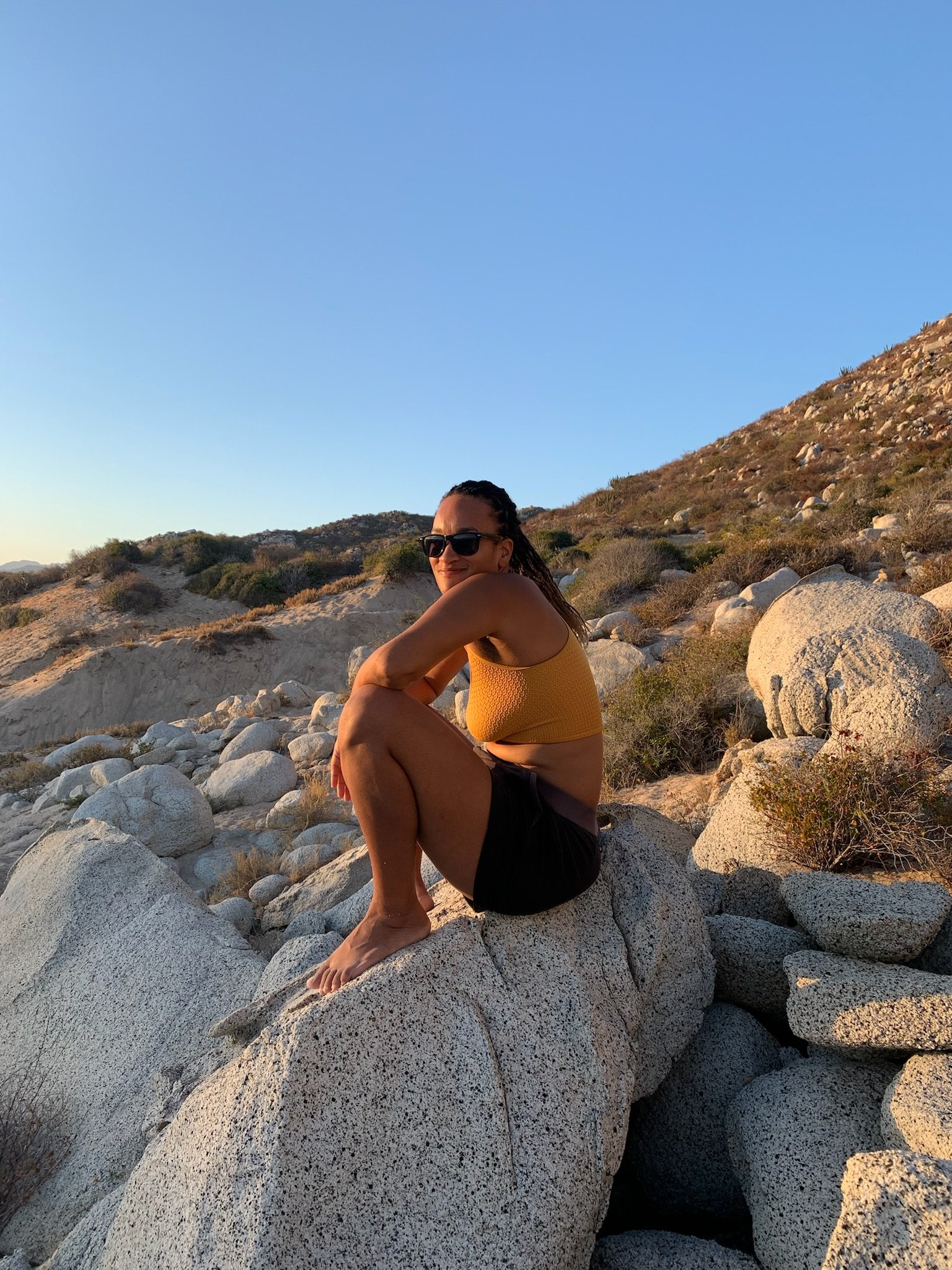
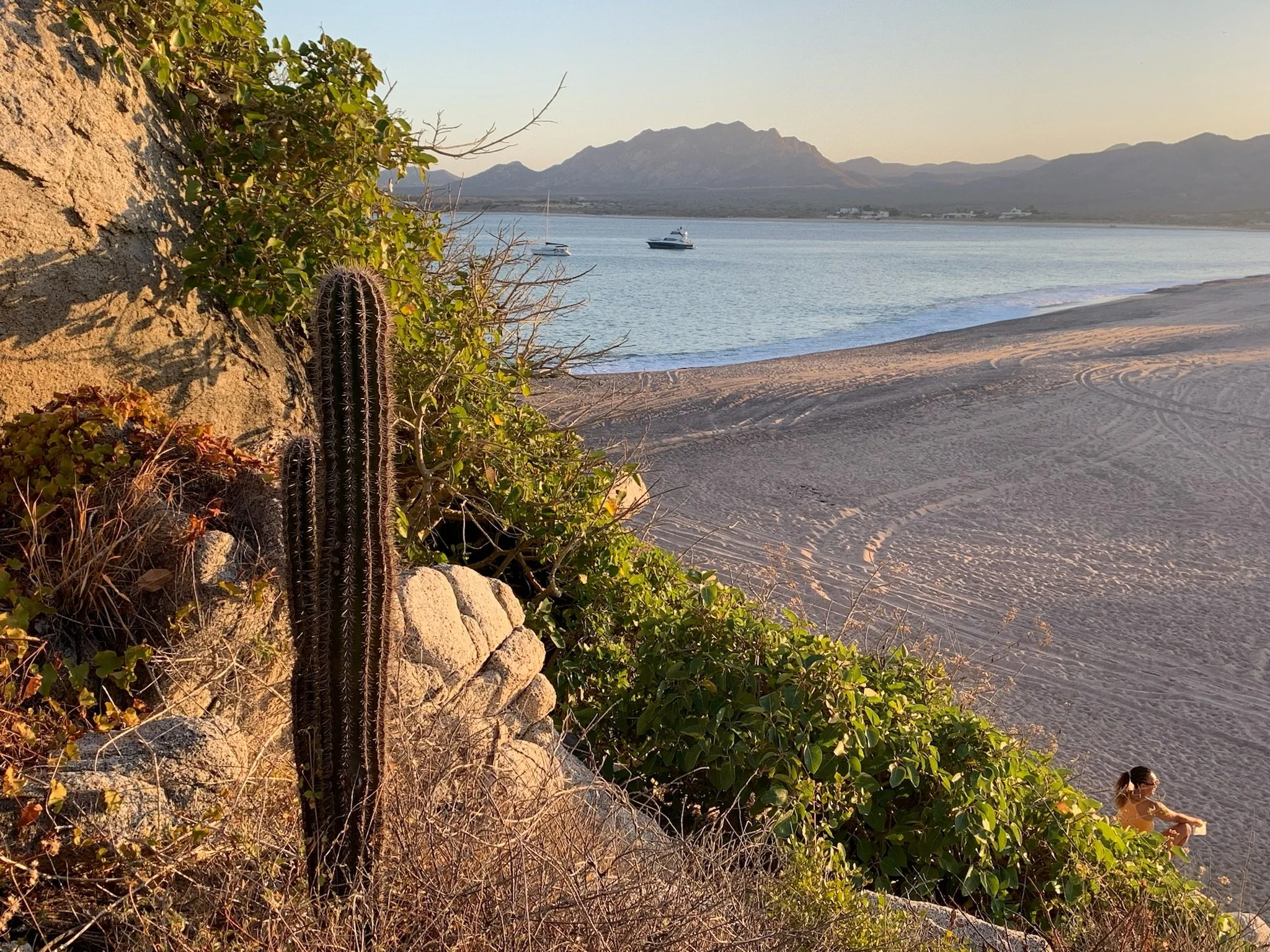
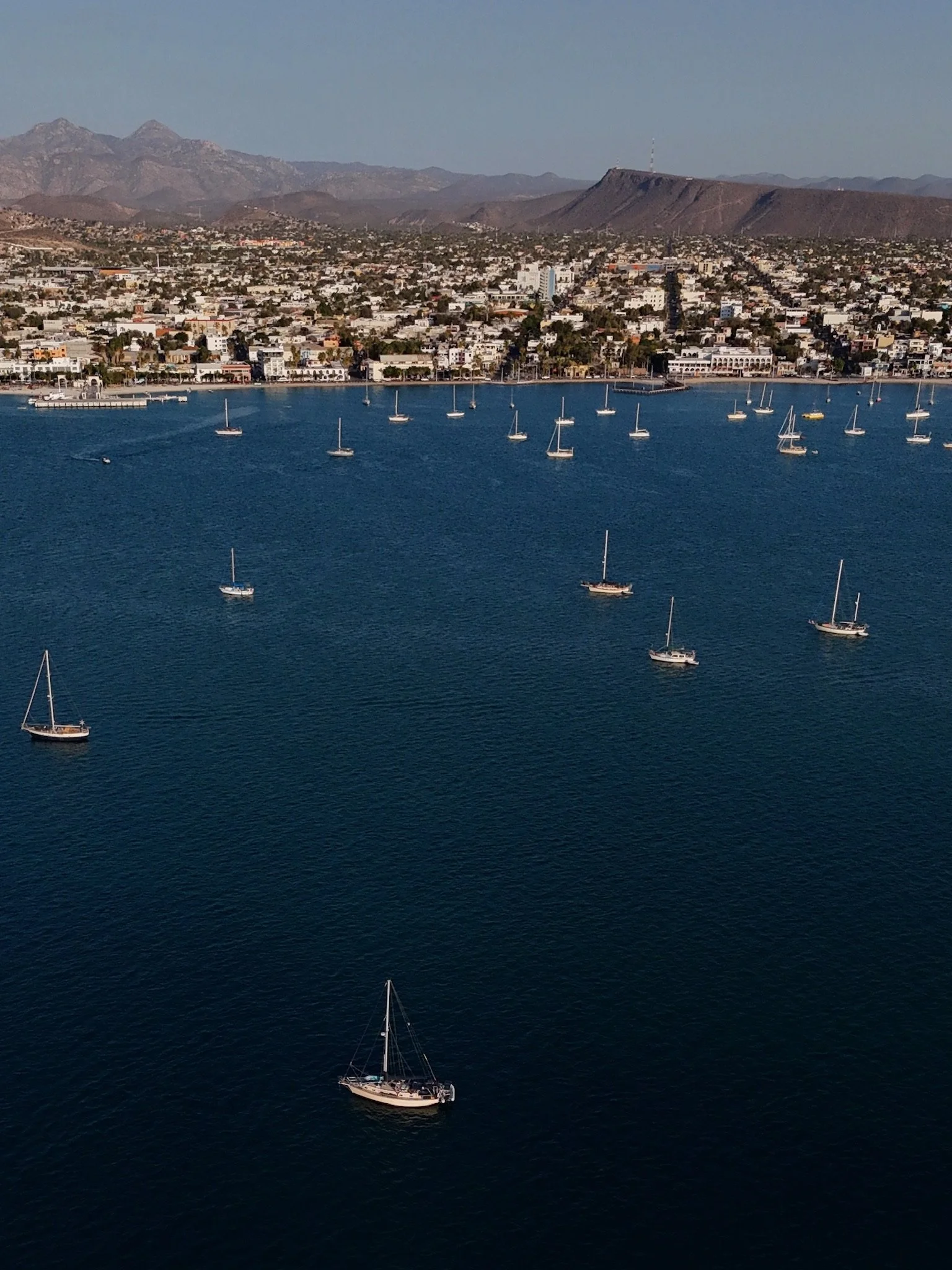
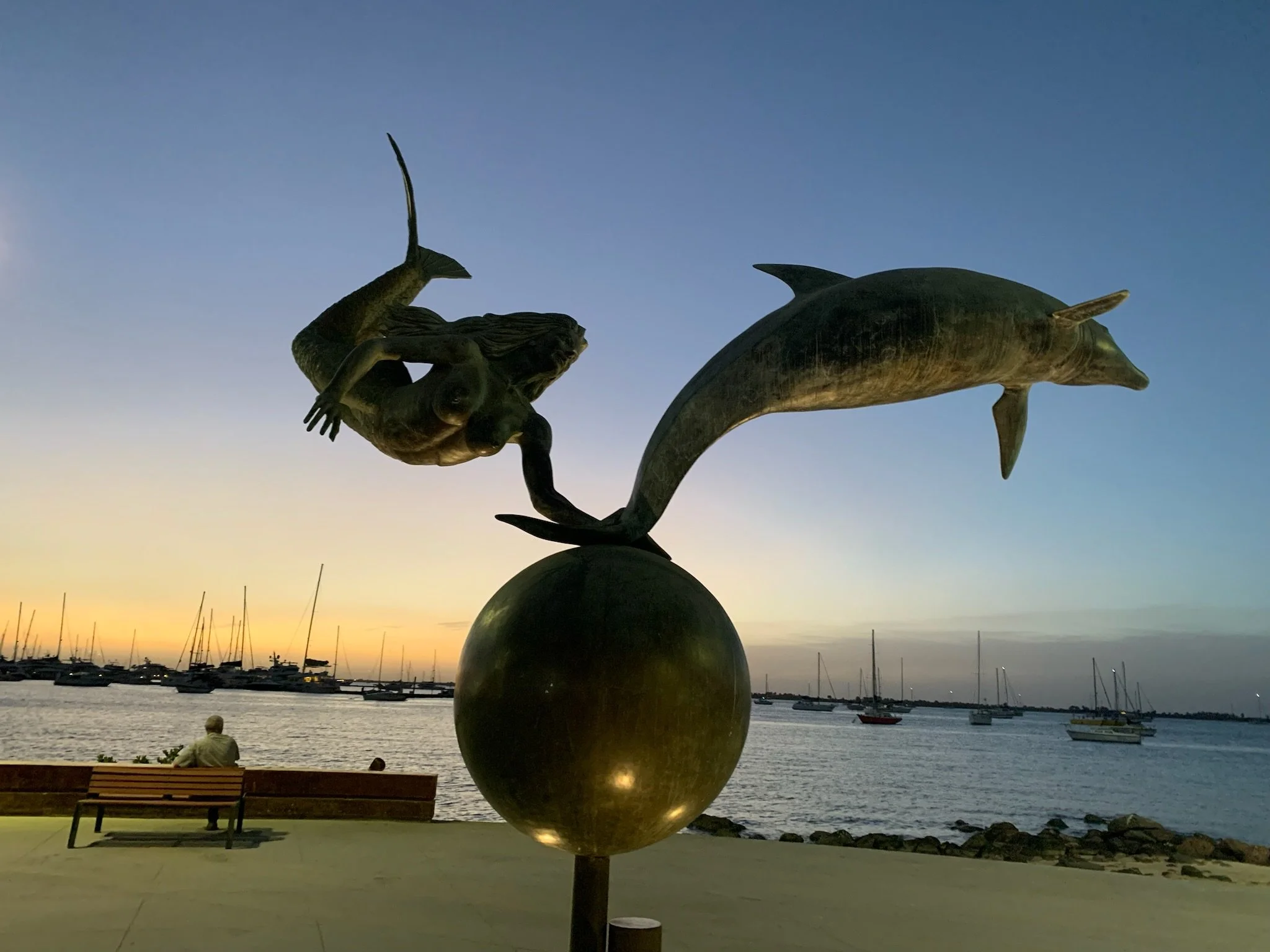
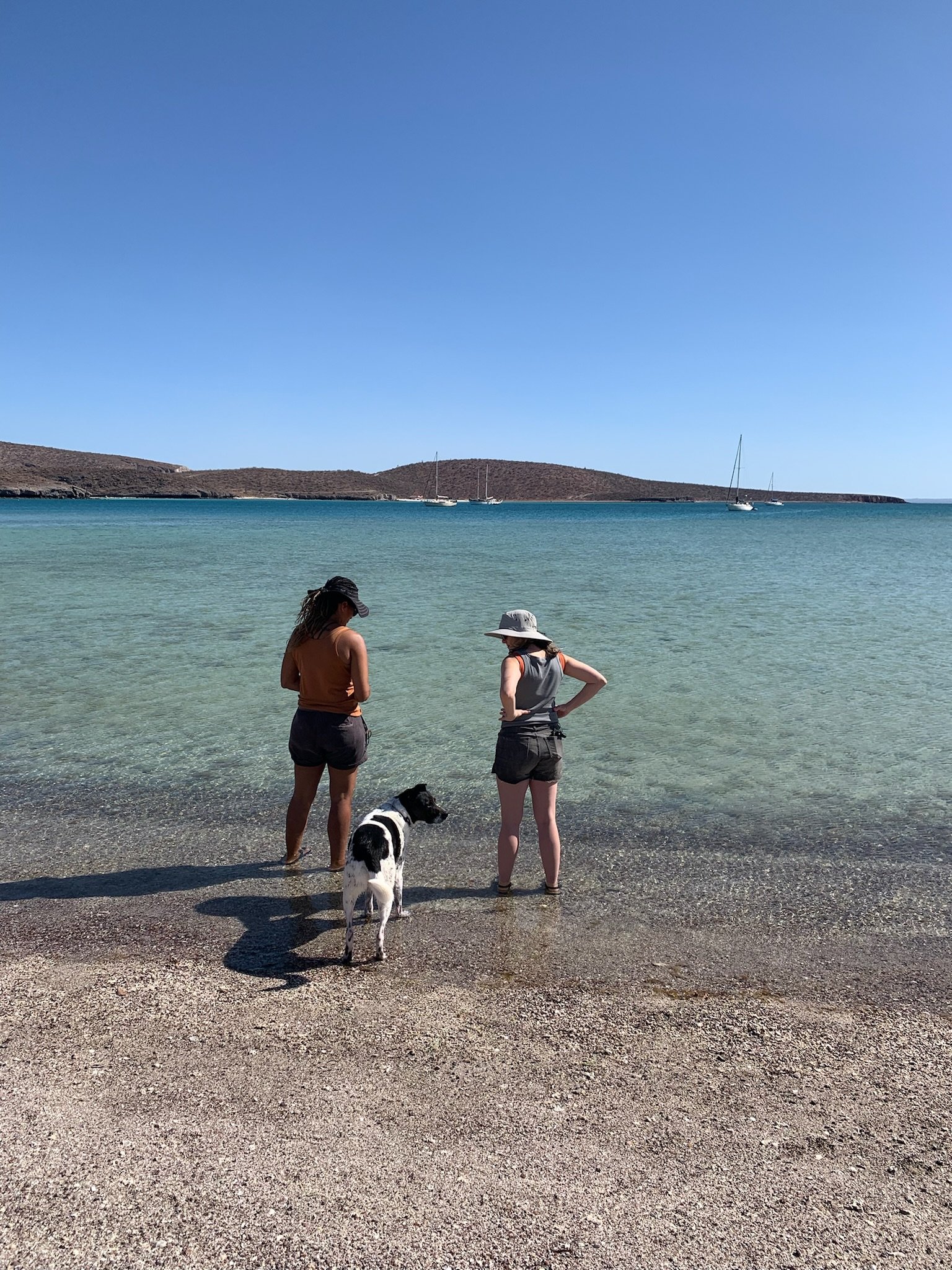
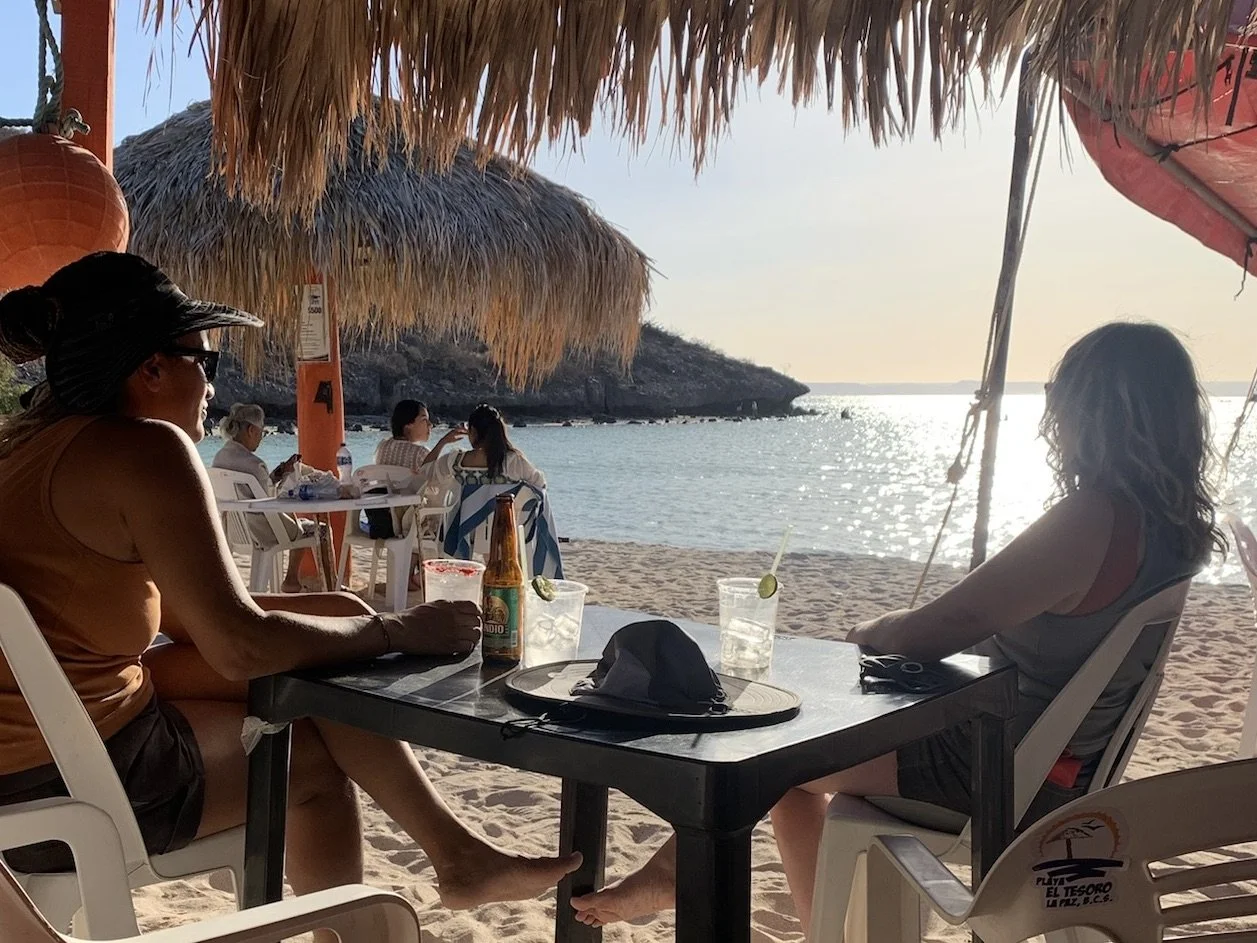
La Paz was more laid-back than Cabo, and we spent two weeks there, devouring delicious tacos, people-watching on the Malecon, and taking advantage of the huge grocery store to load up on provisions. Dolphins circled in the anchorage daily, keeping Desi running in excited circles around the deck. The highlight was a visit from our friend Sabrina, who spent a long weekend aboard, sailing with us to the nearby island of Espiritu Santo to spend an afternoon on the beautiful white sand beach, admiring shells and wading in the clear turquoise water. Our departure from the island the next day was a bit rushed, as bees began to swarm us by the hundreds, in search of fresh water. We sailed back toward La Paz, stopping to anchor for a night in Bahía Falsa, where we snorkeled a small reef and enjoyed cocktails at a little palapa restaurant on the beach.
After Sabrina’s visit, we prepared to head north up the Gulf of California (aka the Sea of Cortez), a stretch known for its beautiful anchorages, plentiful enough that long overnight passages would be unnecessary for months to come. Our first stop was Ensenada Grande anchorage on Isla Partida, a small island just north of Espiritu Santo, and a six-hour sail from La Paz. We were surprised to find the anchorage quite busy, with three mega yachts and their entourages, as well as dozens of smaller boats. We found a spot near a small beach to drop the hook, and I snorkeled to shore while Karl took the paddleboard. As I swam, beneath me I saw dozens of snaking trails ending in indentations in the sand, where sting rays had buried themselves. We heeded the advice to shuffle our feet in the water, to avoid stepping on one and causing a defensive strike. The sun was setting, and the small beach was quiet. We ran into a fellow cruiser we had met years ago in Astoria, as we headed north to the San Juan Islands, and he and his wife headed south to begin their cruising adventure. Now, years later, they had spent many seasons in the area, and he shared favorite spots and tips with us. It was dark by the time we paddled back to Otaria, surrounded by anchor lights like bobbing stars throughout the bay.
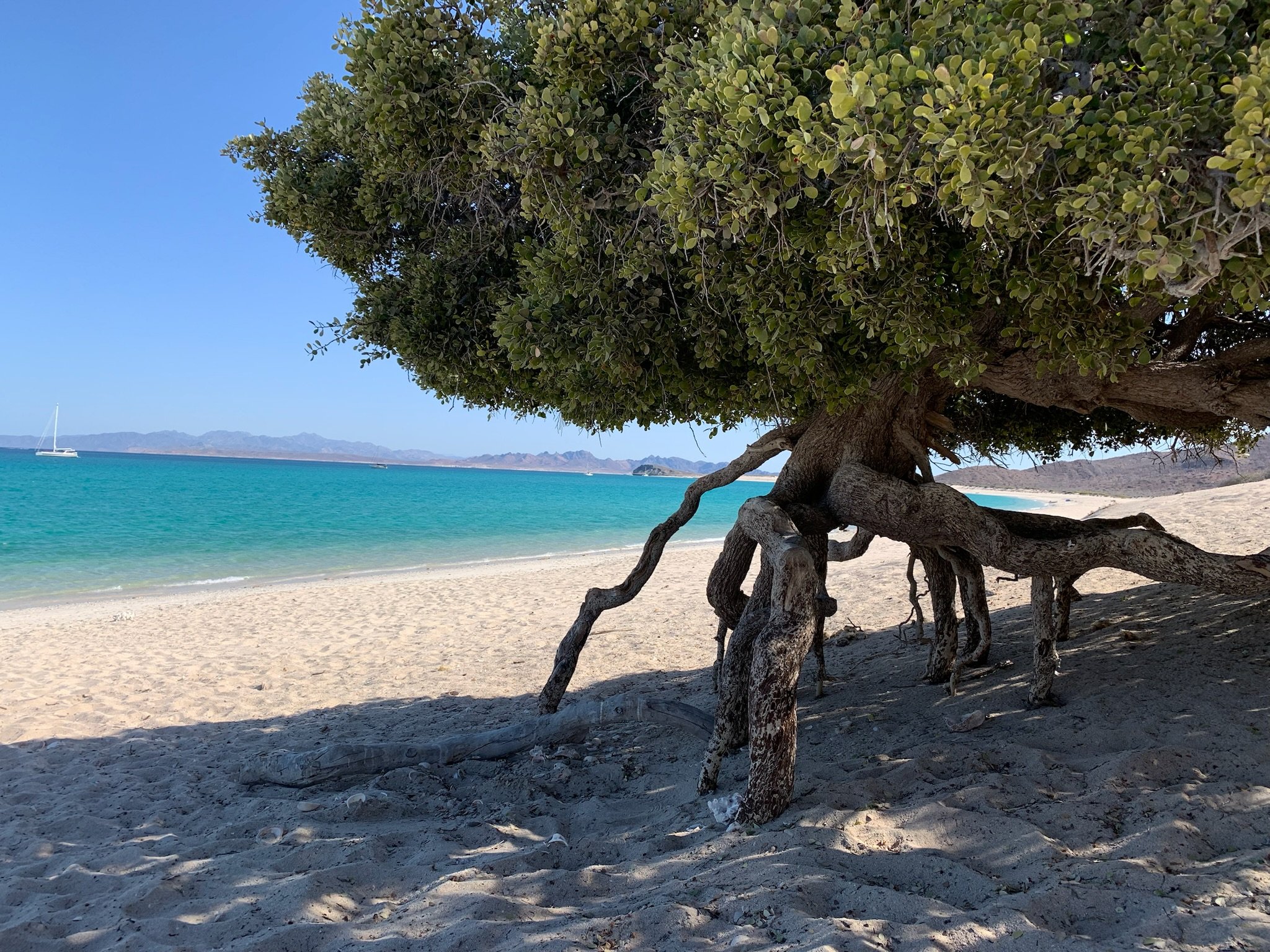
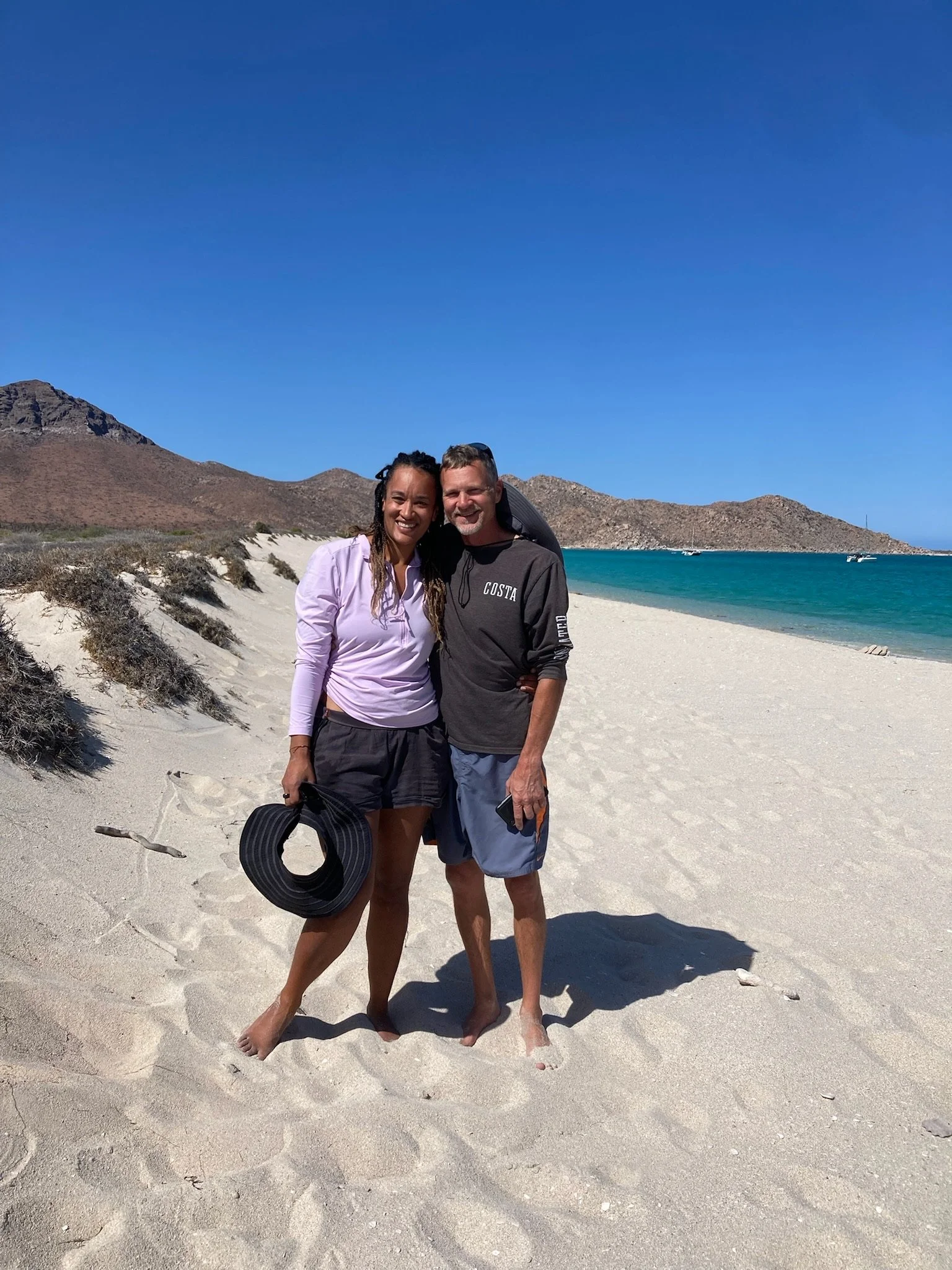
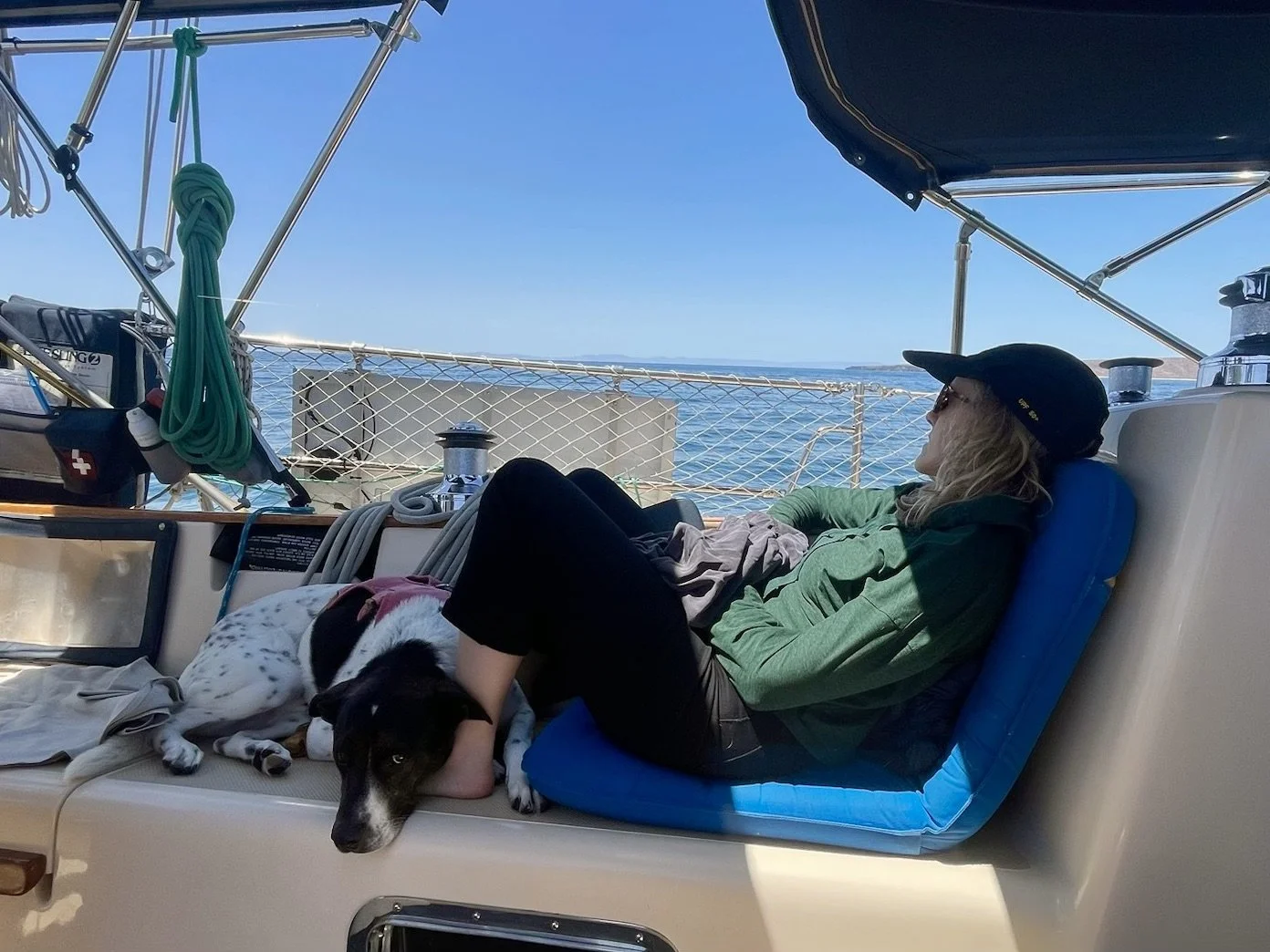
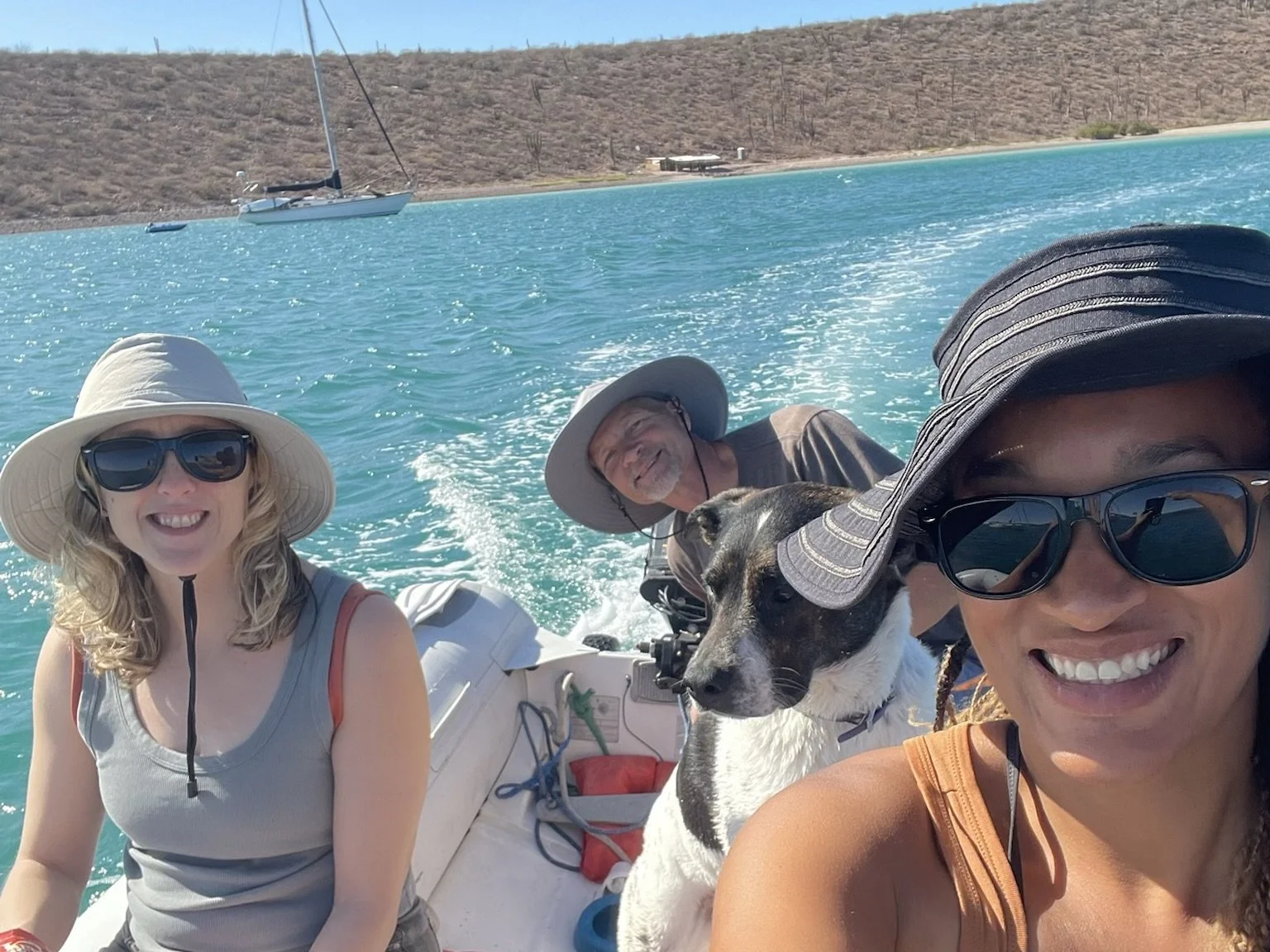
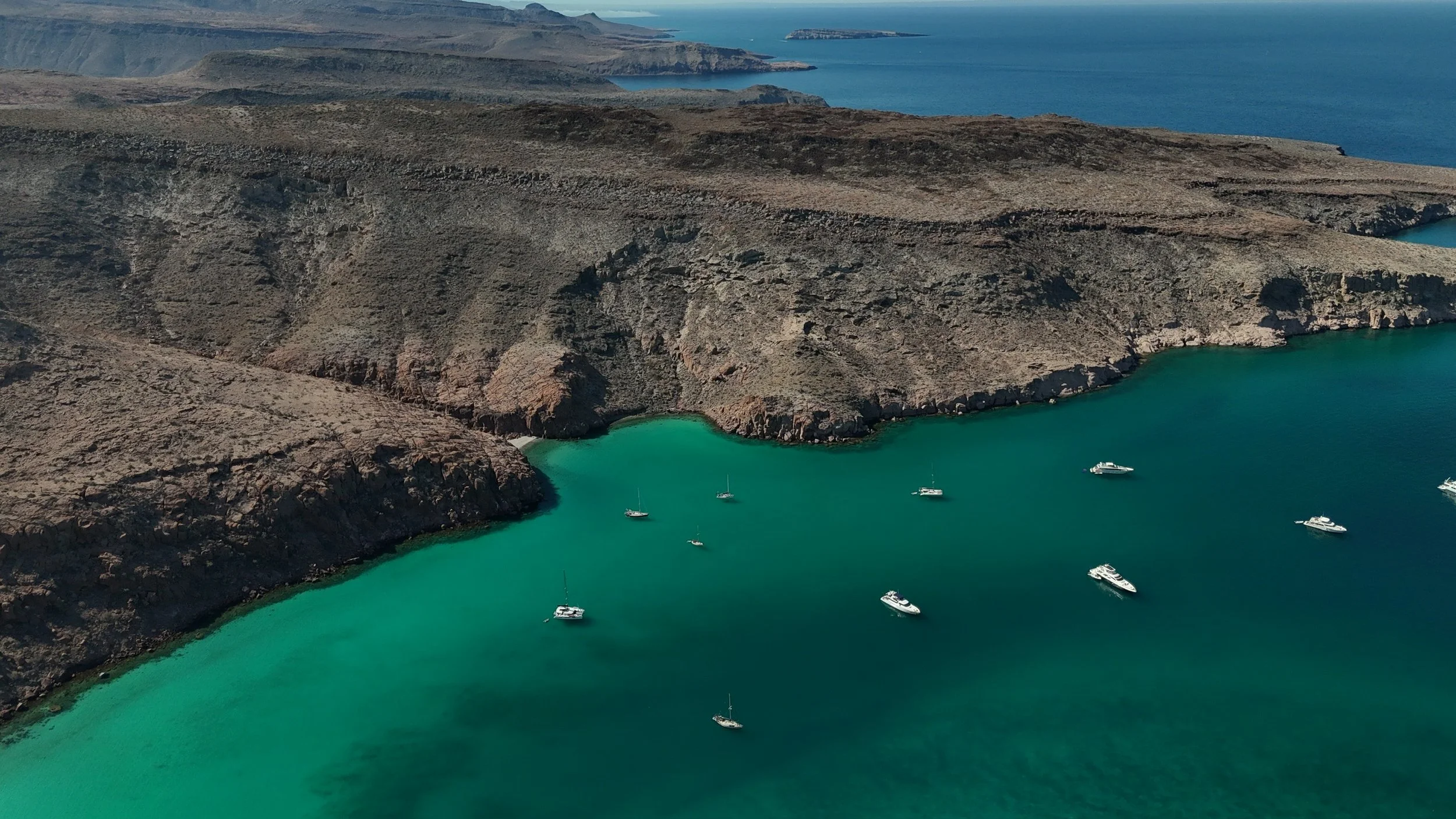
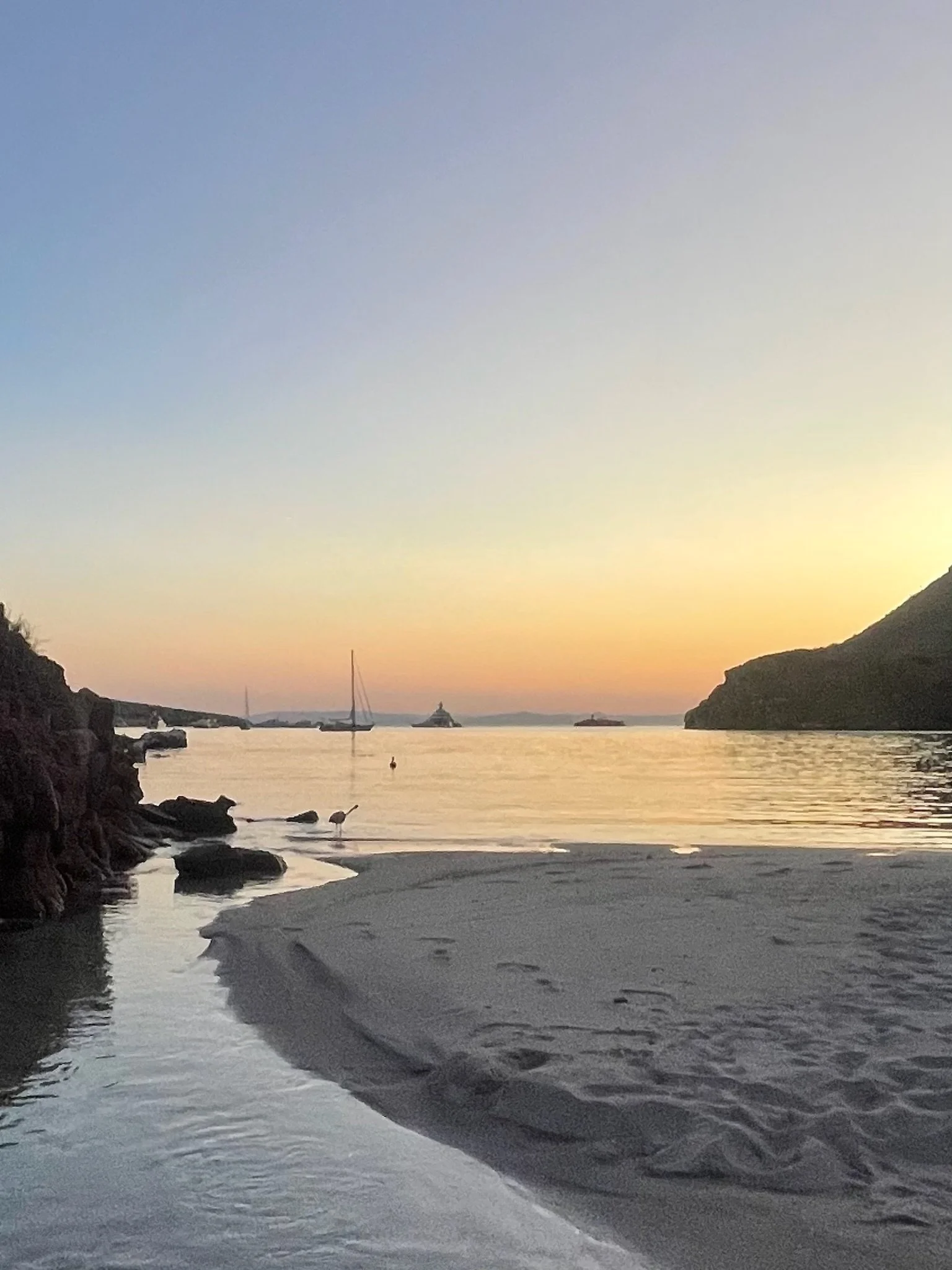
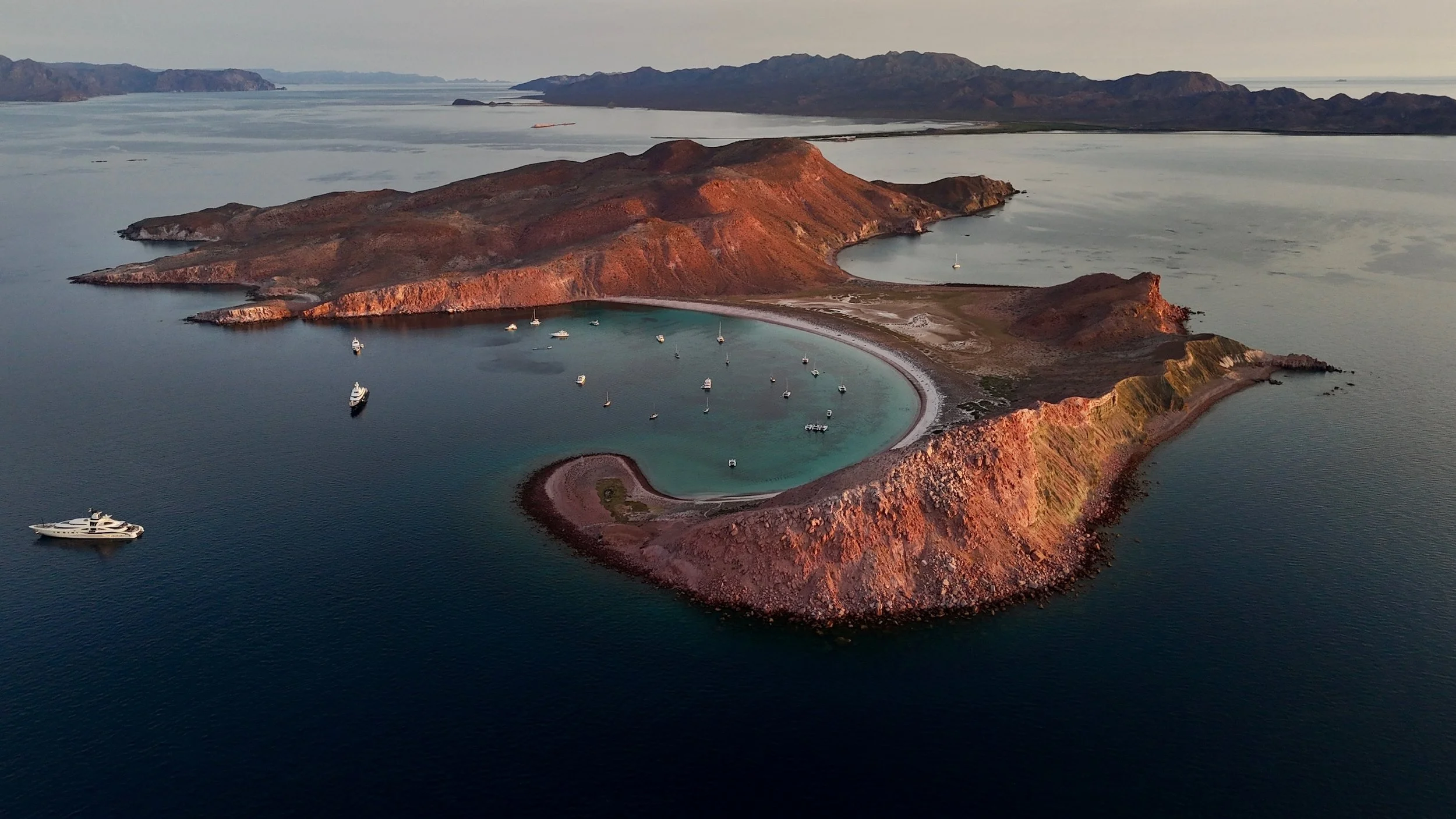
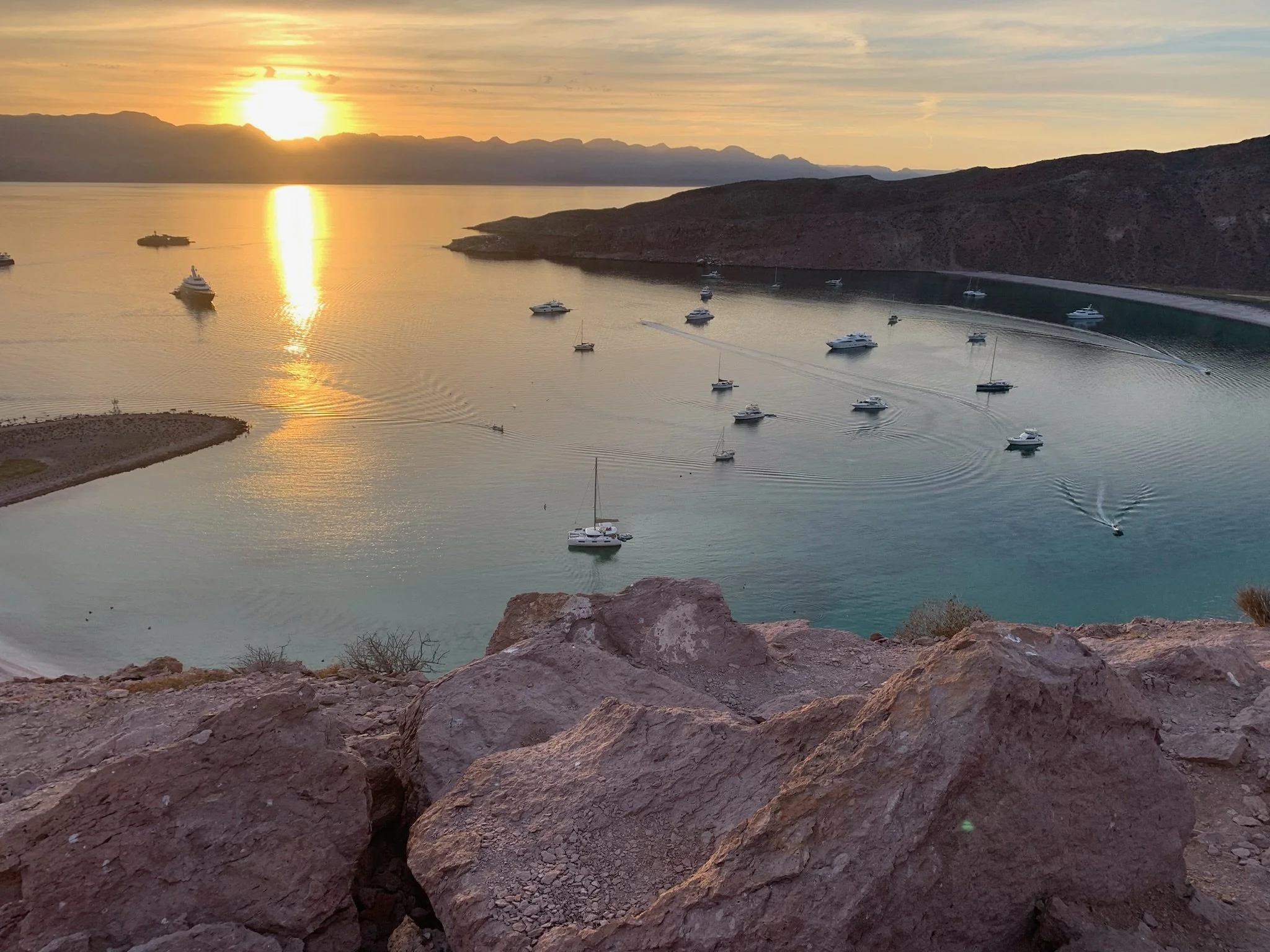
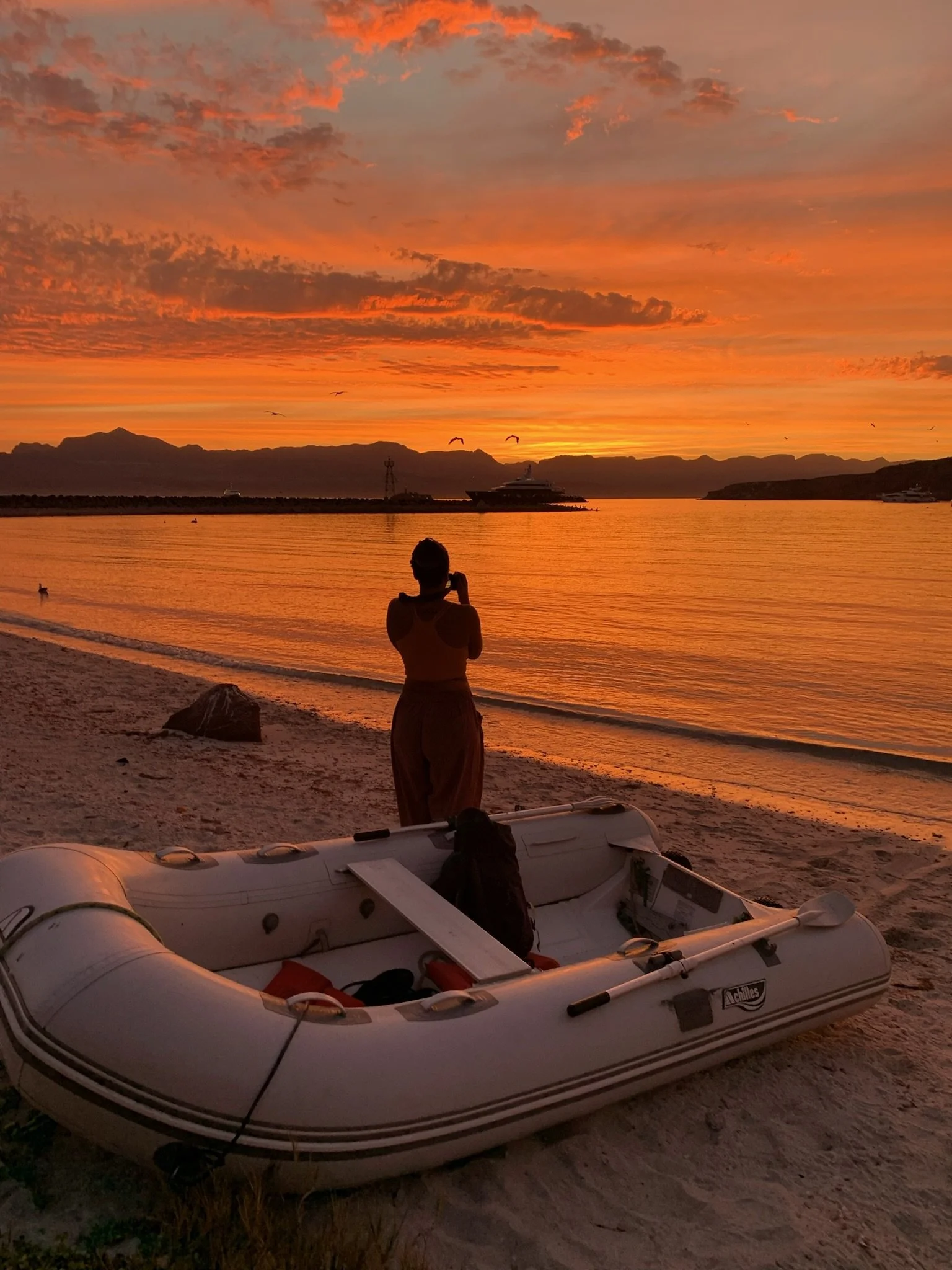
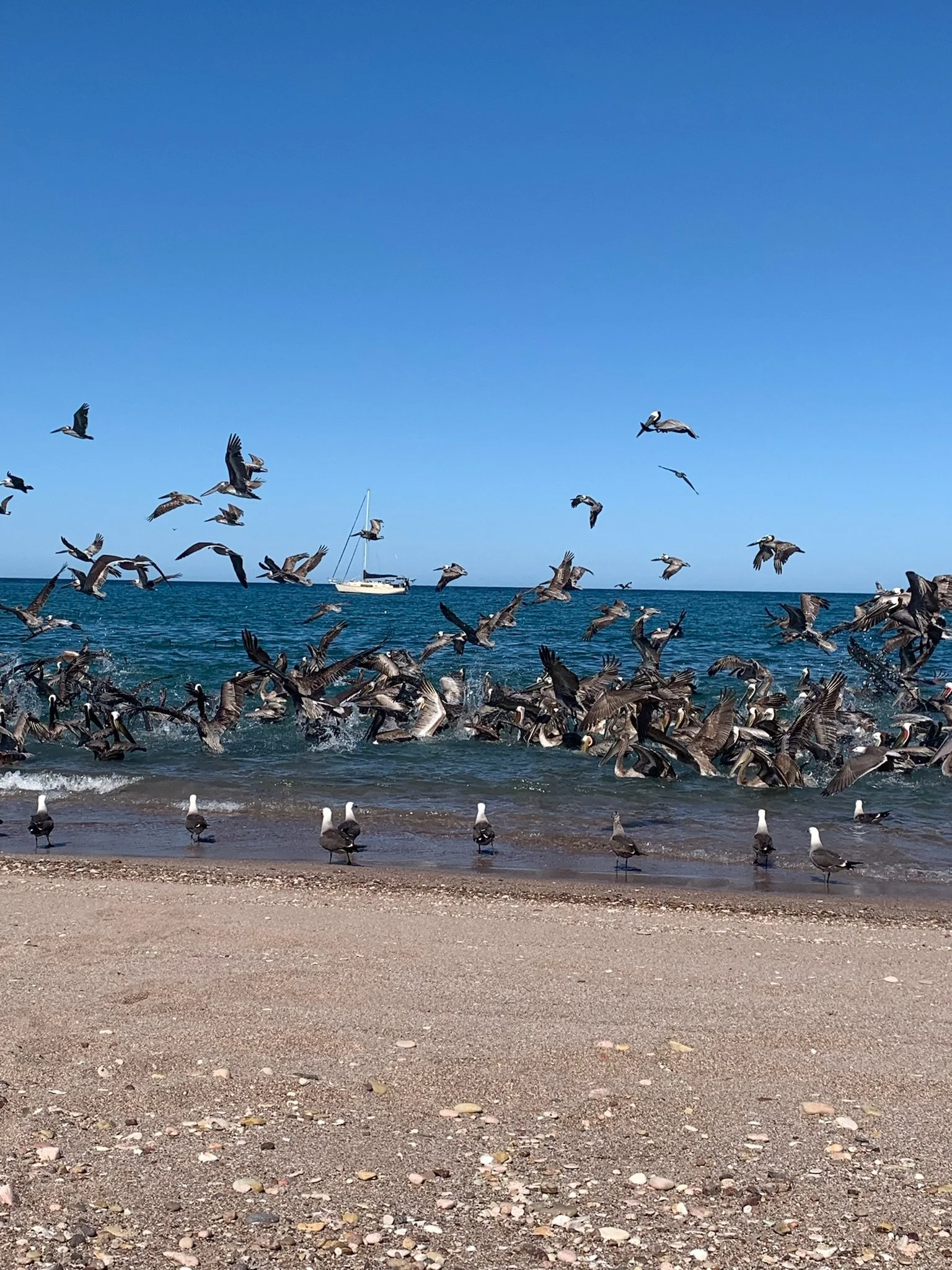
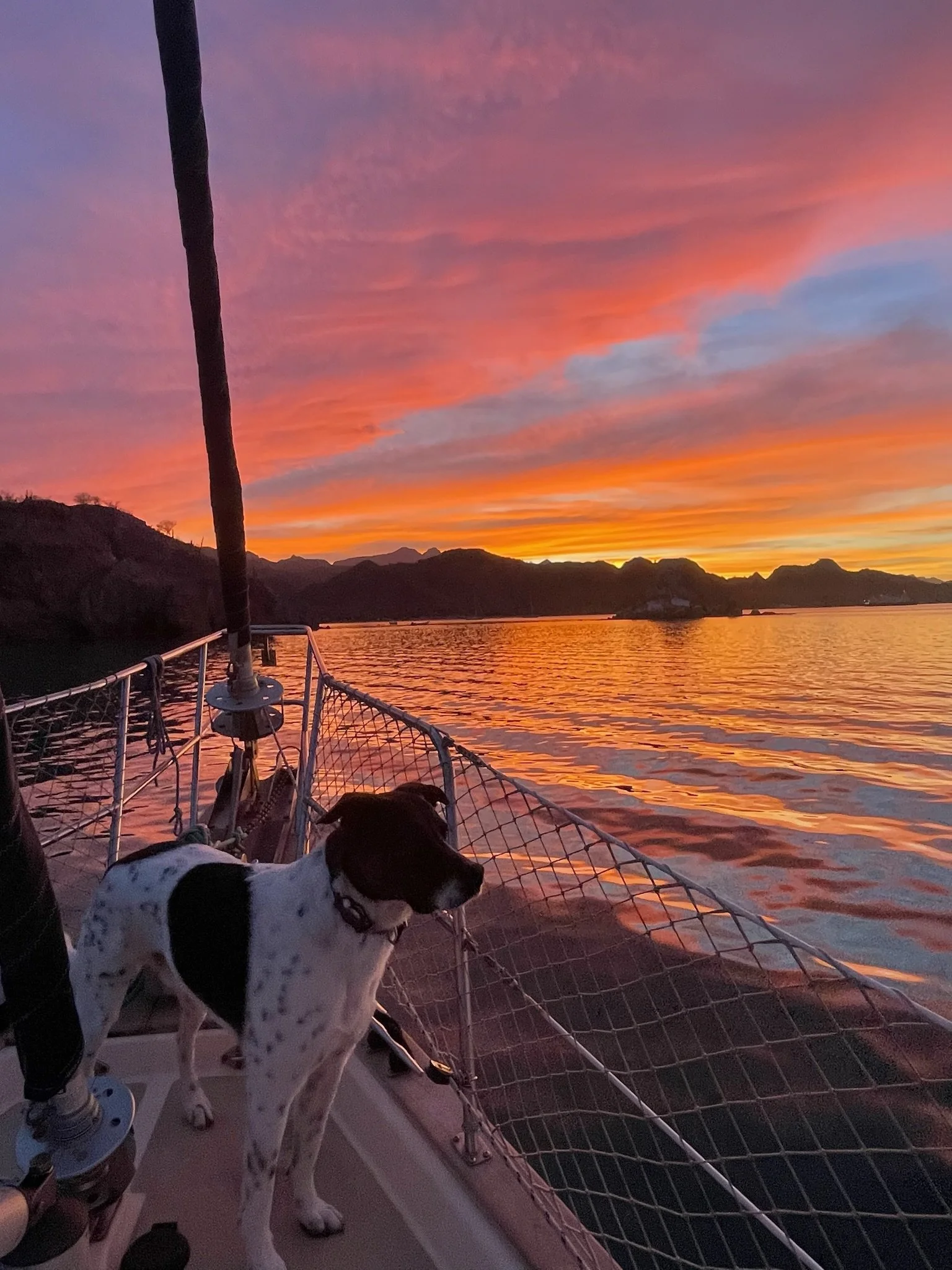
The next morning, we snorkeled along the beautiful rock formations at the edge of the bay, blown away by the colorful fish and plant life. Back onboard in the afternoon, we discovered a failure of the windlass solenoid and had to haul the anchor up by hand before departing the bay. We sailed for four hours, north to Isla San Francisco, a small island where we found a spot among a dozen or more boats in the large crescent-shaped bay. Over the next three days, we rowed to shore in the evenings after work, weaved through salt flats, hiked the rocky hills surrounding the bay, and watched the pelicans dive around us, silhouetted against vibrant sunsets. The island was beautiful, but the charter boats and mega yachts were loud, and after several weeks in busy anchorages, we were feeling ready for a more secluded spot.
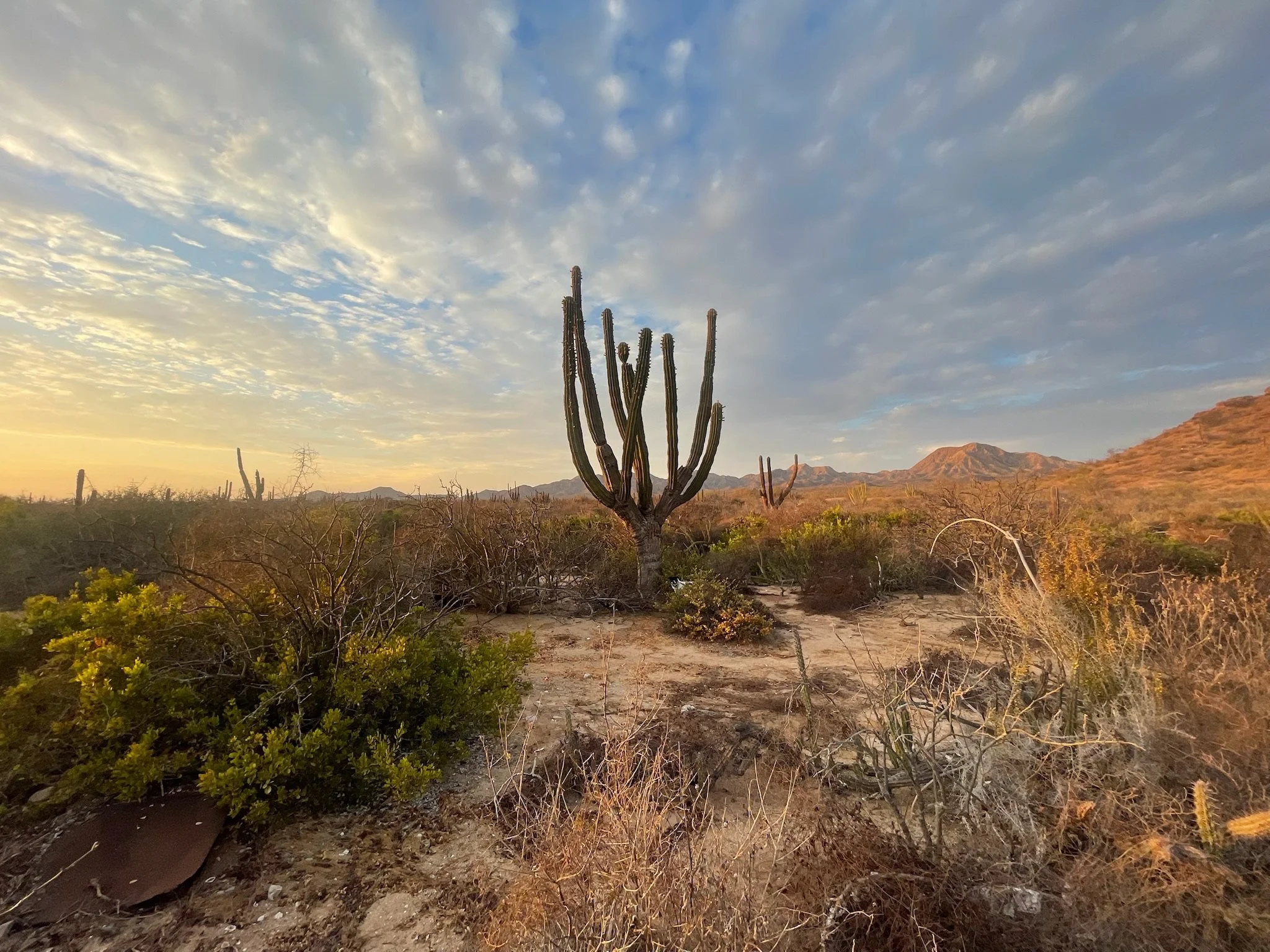
Just two hours north of Isla San Francisco is Isla San Jose, a much larger island that was once home to a salt farming operation but is now uninhabited. Arriving at Punta Salinas, an anchorage on the south side of the island, with no other boats in sight, we dropped anchor and soaked in the quiet. The following evening, we rowed to shore and hiked through forests of saguaro cacti, salt flats, and the ruins of the old settlement. As if they had followed us there, one by one, the charter boats and mega yachts arrived near us, and our tranquil anchorage transformed. I finished out the workweek while Karl handwashed our laundry and rigged a temporary fix for the windlass. When Saturday arrived, we set sail for our next stop, Puerto Los Gatos, a picturesque anchorage on the Baja mainland, known for its unique and colorful rock formations.
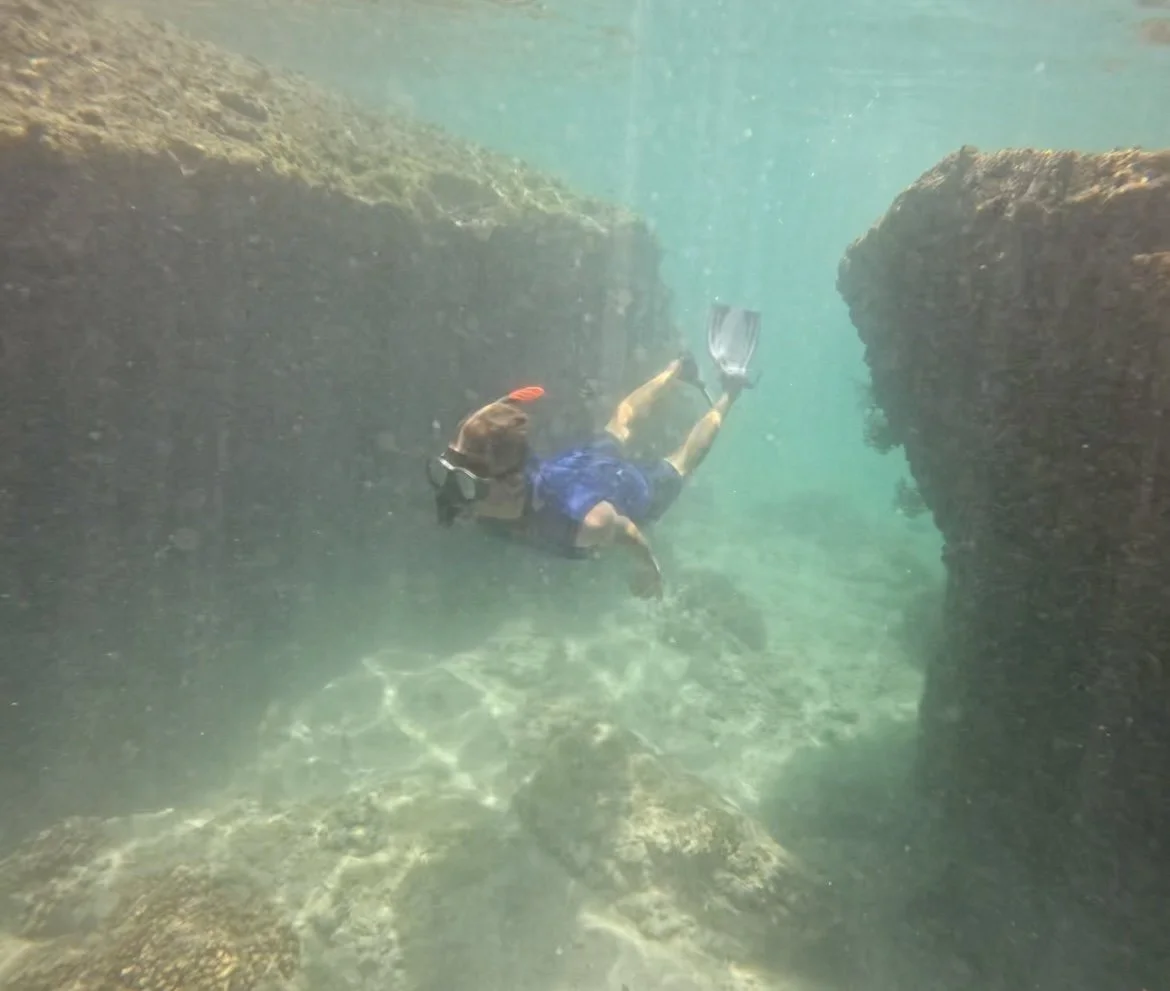
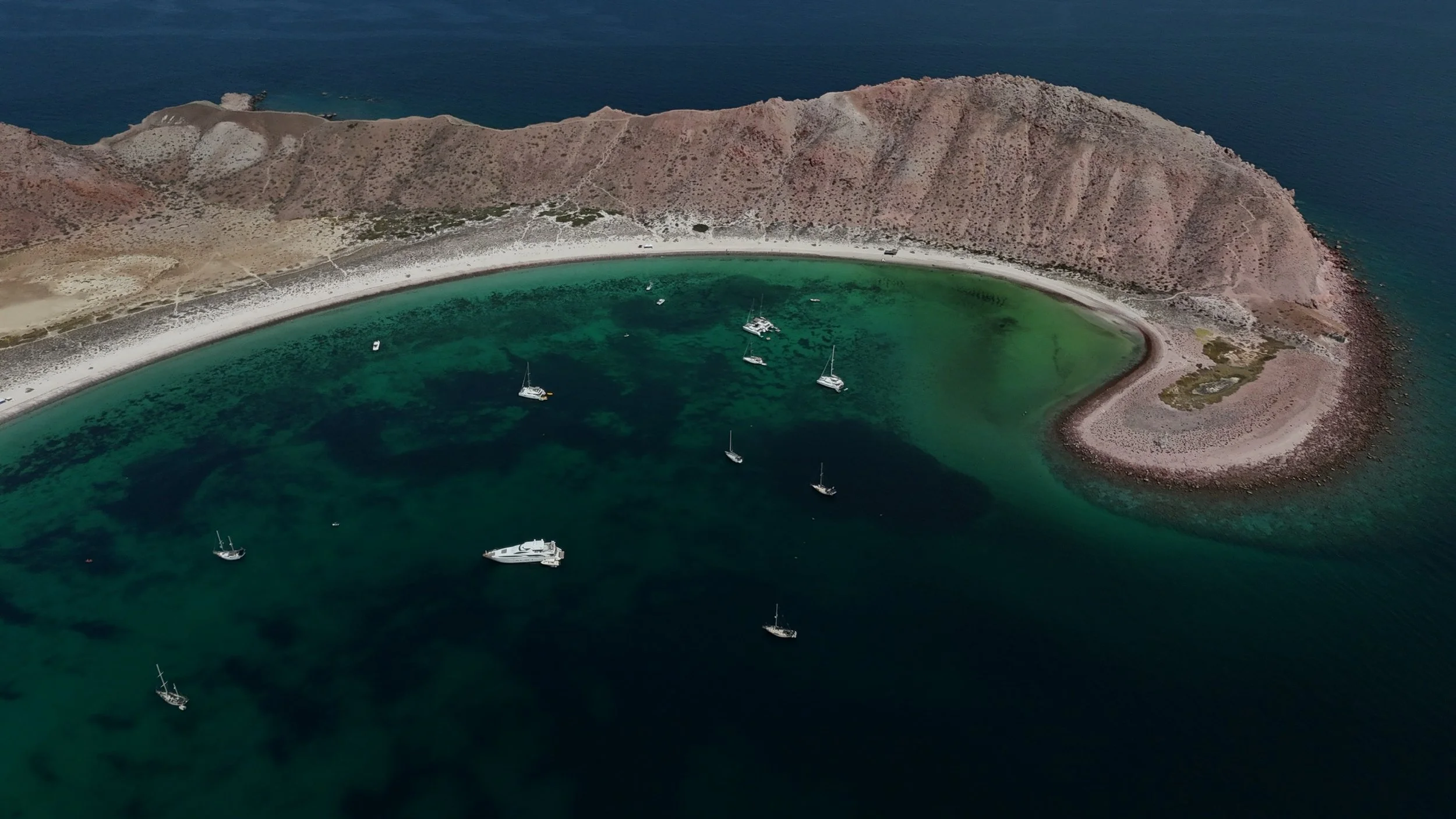
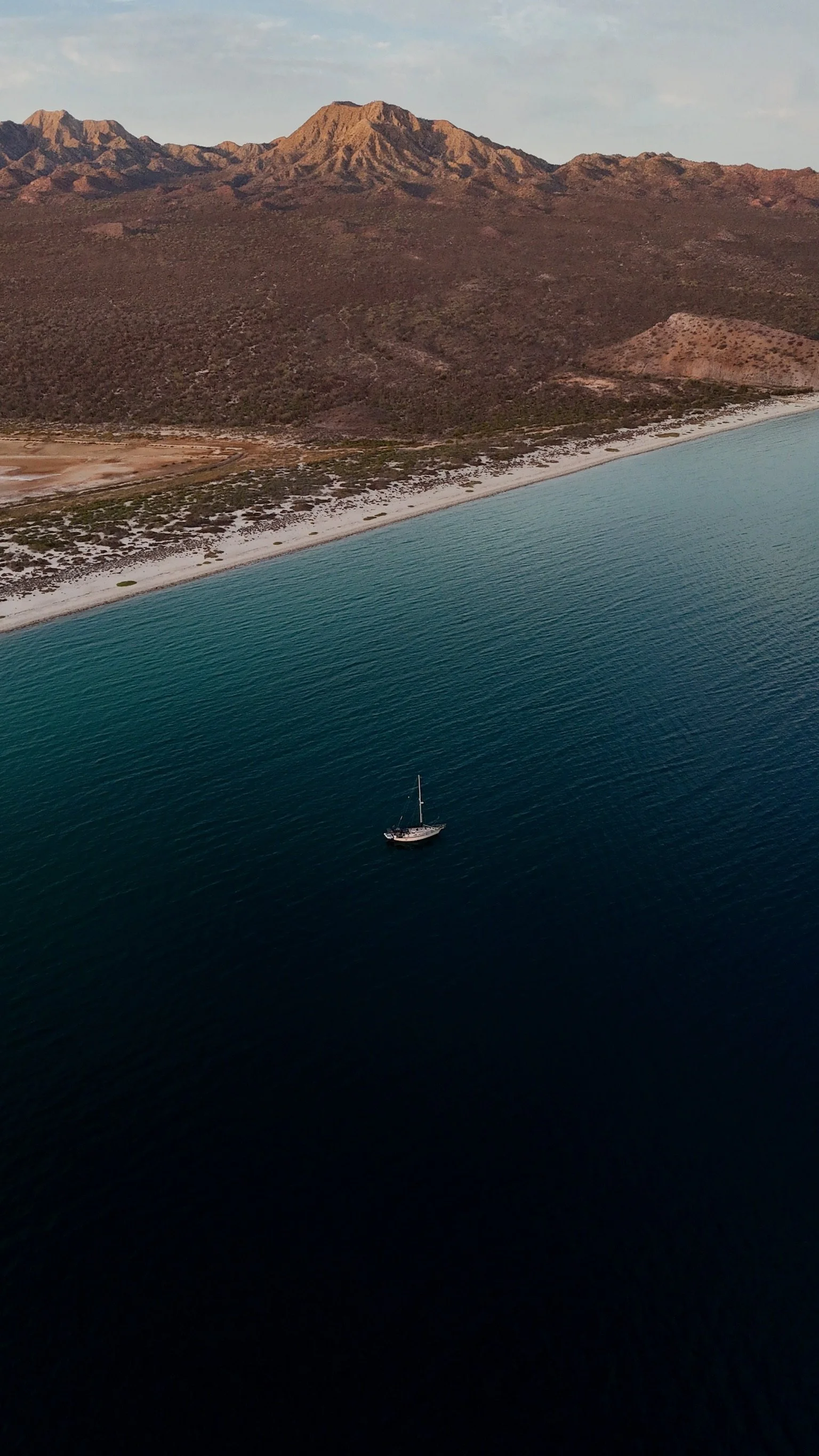
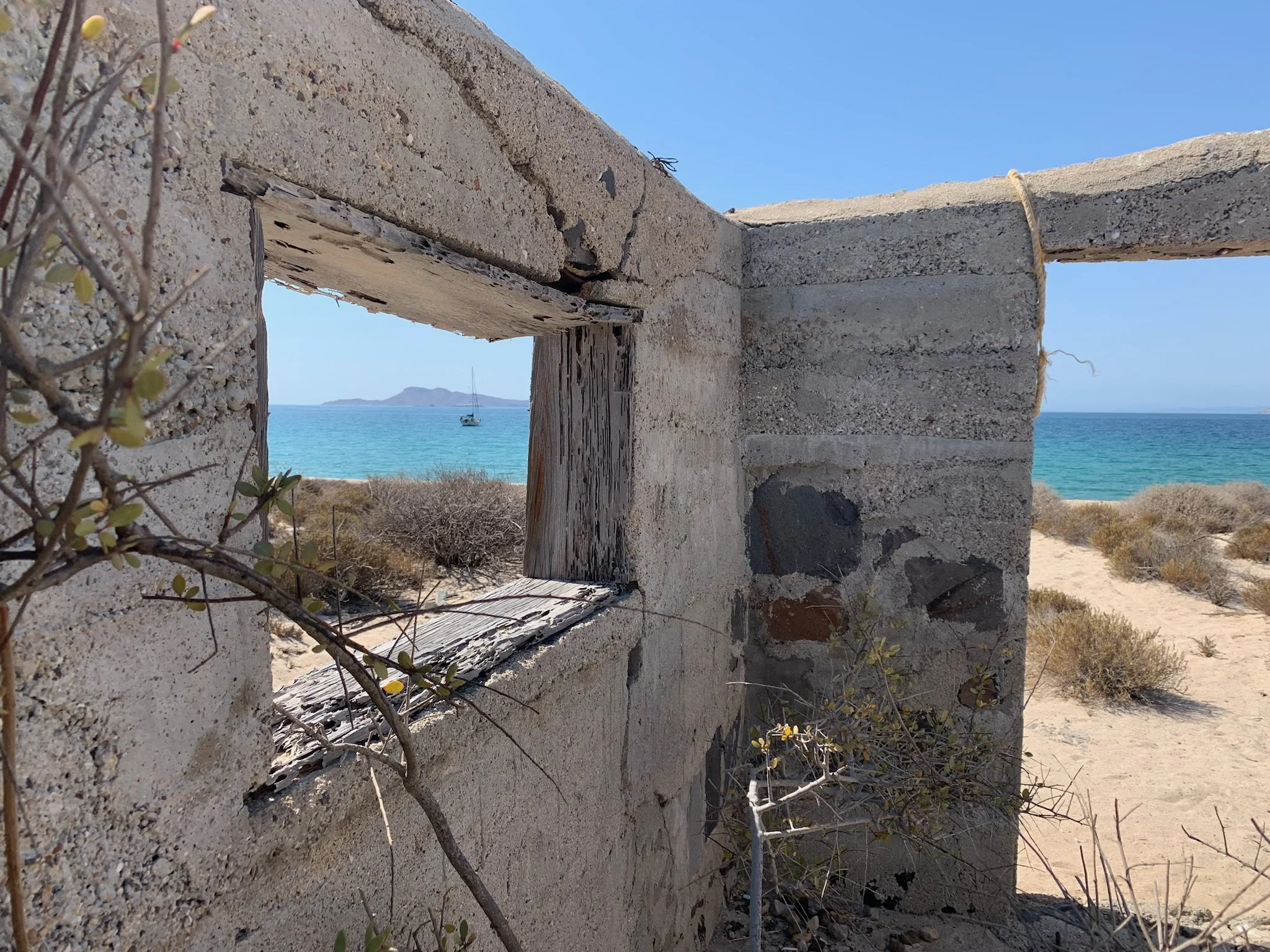
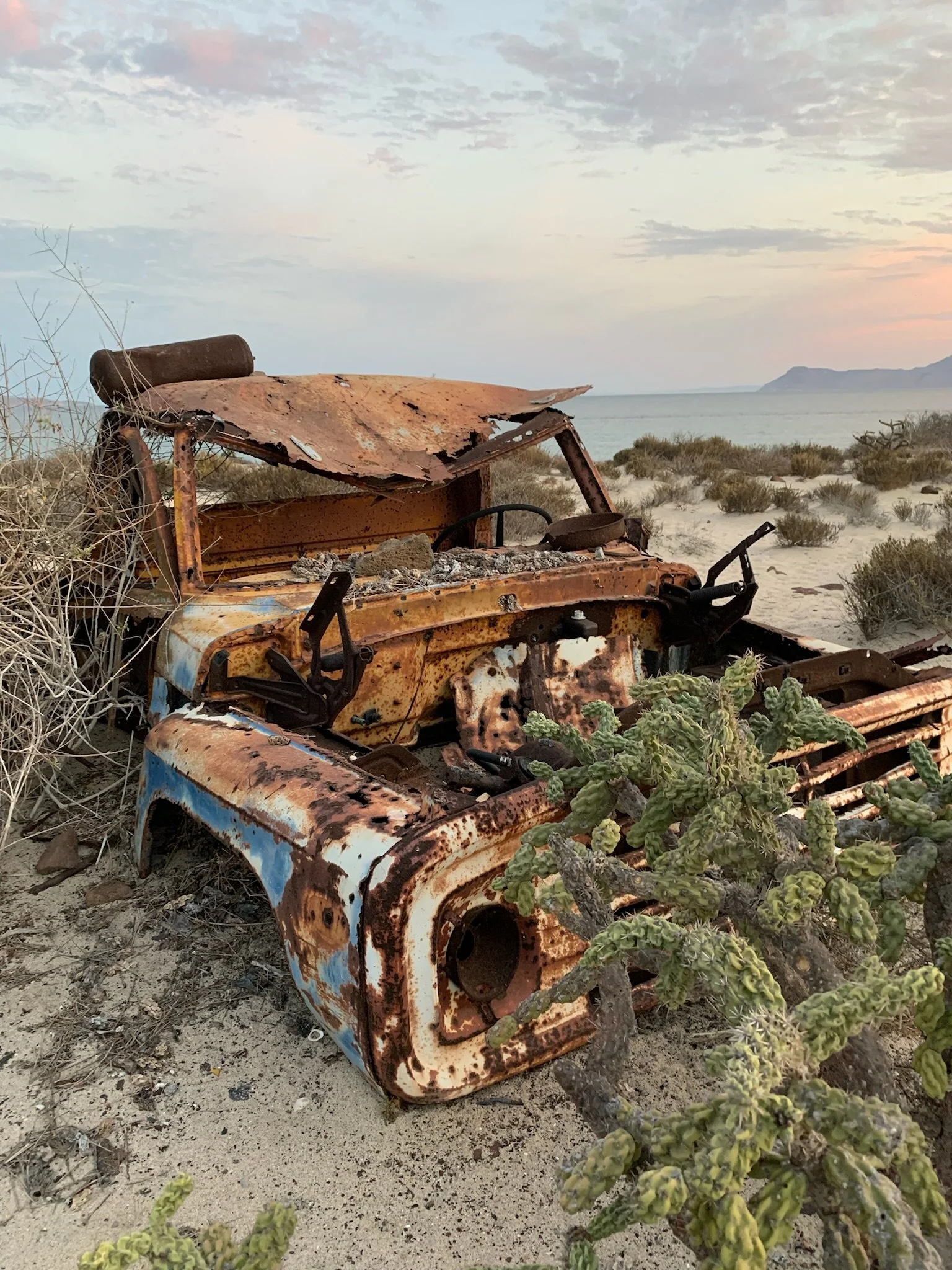
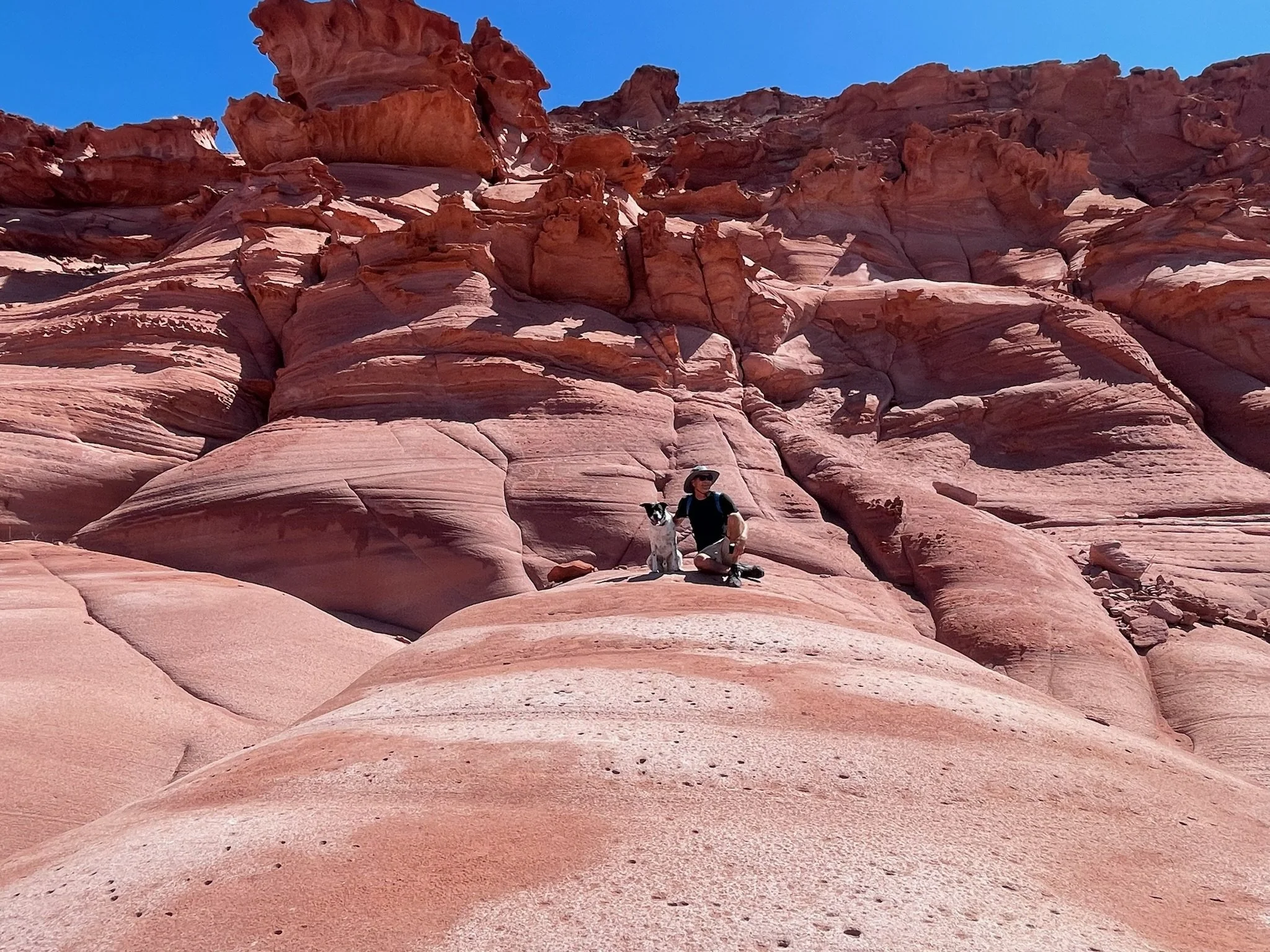
The sail to Los Gatos was a rowdy one, with head-on winds that hit as soon as we cleared Isla San Jose, and seas that continued to build in height. After six hours, we were relieved to find enough space to tuck into Los Gatos anchorage with three other boats. The next day was Easter Sunday, the other boats all departed, and we had the place to ourselves for the next two days. The nearby hikes had amazing views, we found great snorkeling on a nearby reef, and with no one in sight, clothing was optional. We spent hours watching hundreds of pelicans diving as if raining from the sky, and I got a shock when Karl unknowingly startled a bobcat, and it shot from among the rocks out across the beach. A couple of pangas came by the boat to sell us fish and lobster, an unexpected treat in the uninhabited area.
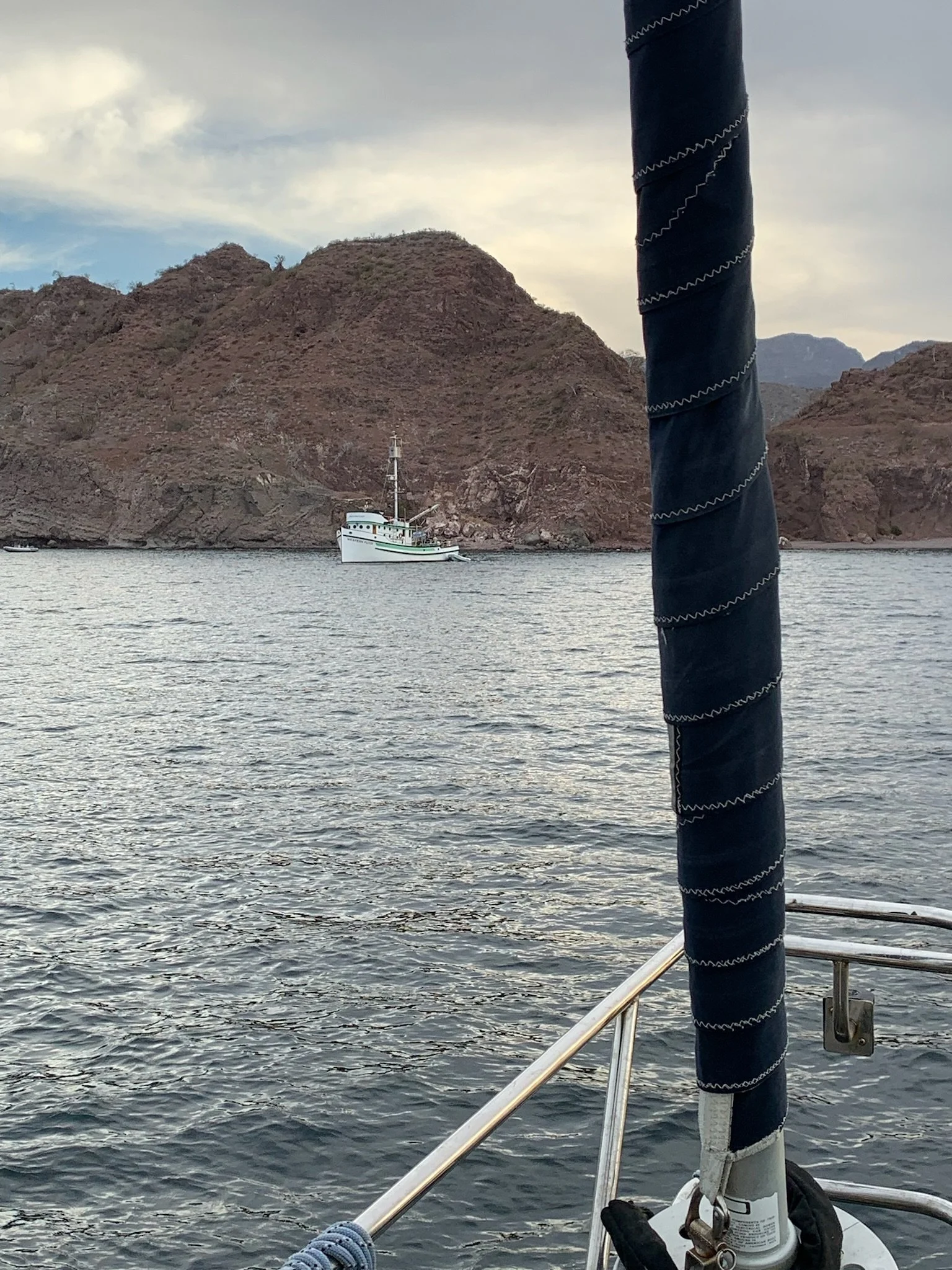
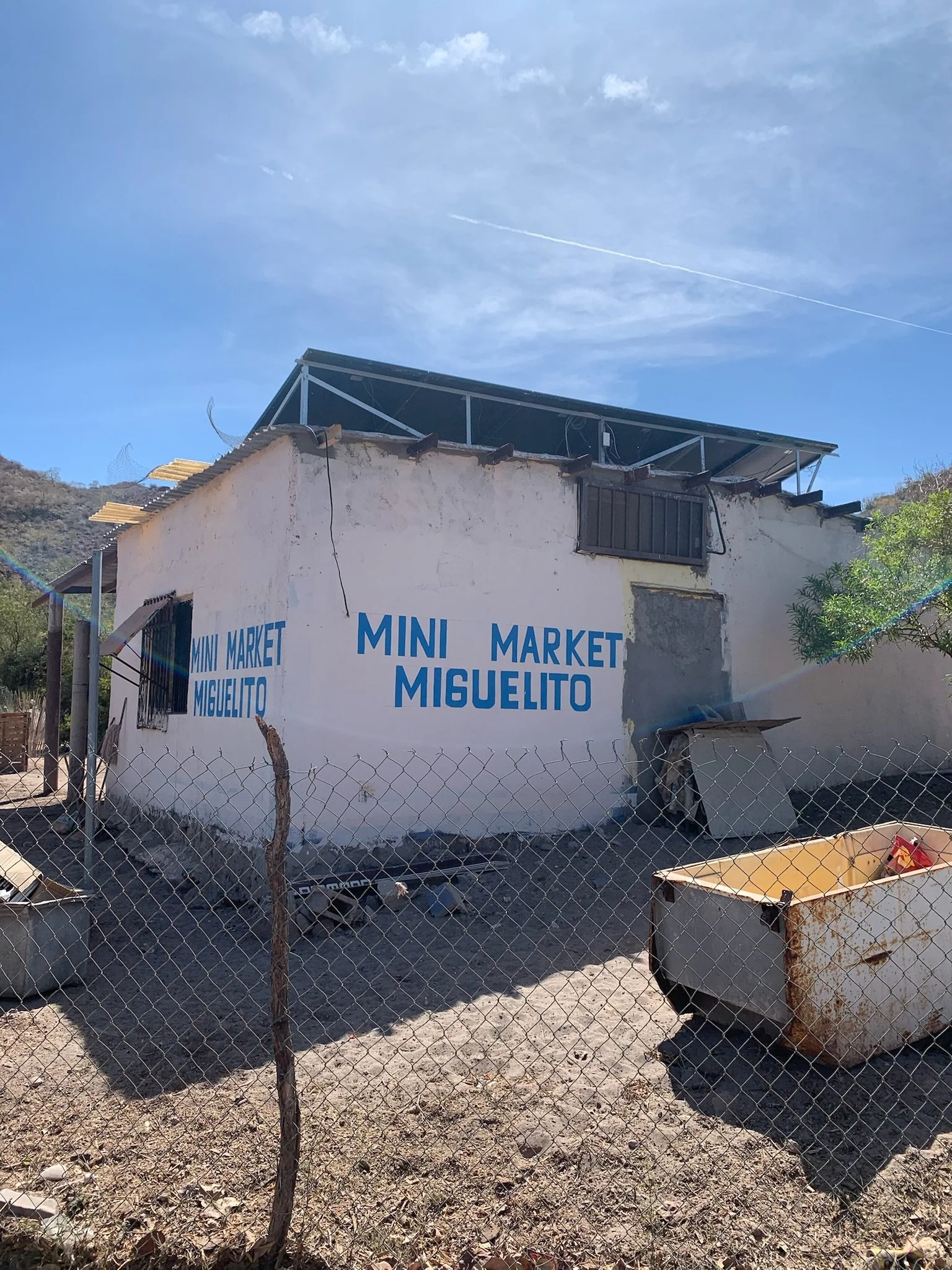
Continuing north up the Baja peninsula, we sailed for five hours to Bahía Agua Verde. I worked along the way while Karl sailed the boat. He had a unique surprise when, after fighting to reel in a fish, the resistance suddenly abated, and he reeled in only a severed fish head. Something large had beat him to it! We arrived in Agua Verde just before sunset and anchored in a small cove on the south side of the main bay. We had prepared for several weeks in remote areas, with cupboards fully stocked, propane filled, and a careful trash storage plan to minimize smell and bugs. Though still quite remote, Agua Verde was our first inhabited location since La Paz, and it was a luxury to dispose of trash, enjoy fish tacos on the beach, and pick up a few produce items at a little tienda (store) up the road. We met a few other cruisers, did a short hike to an overlook of the Bay, and attended an event on the beach celebrating the visitation of the Western Flyer, a fishing boat famous for its 1940 expedition described in John Steinbeck’s book The Log from the Sea of Cortez.
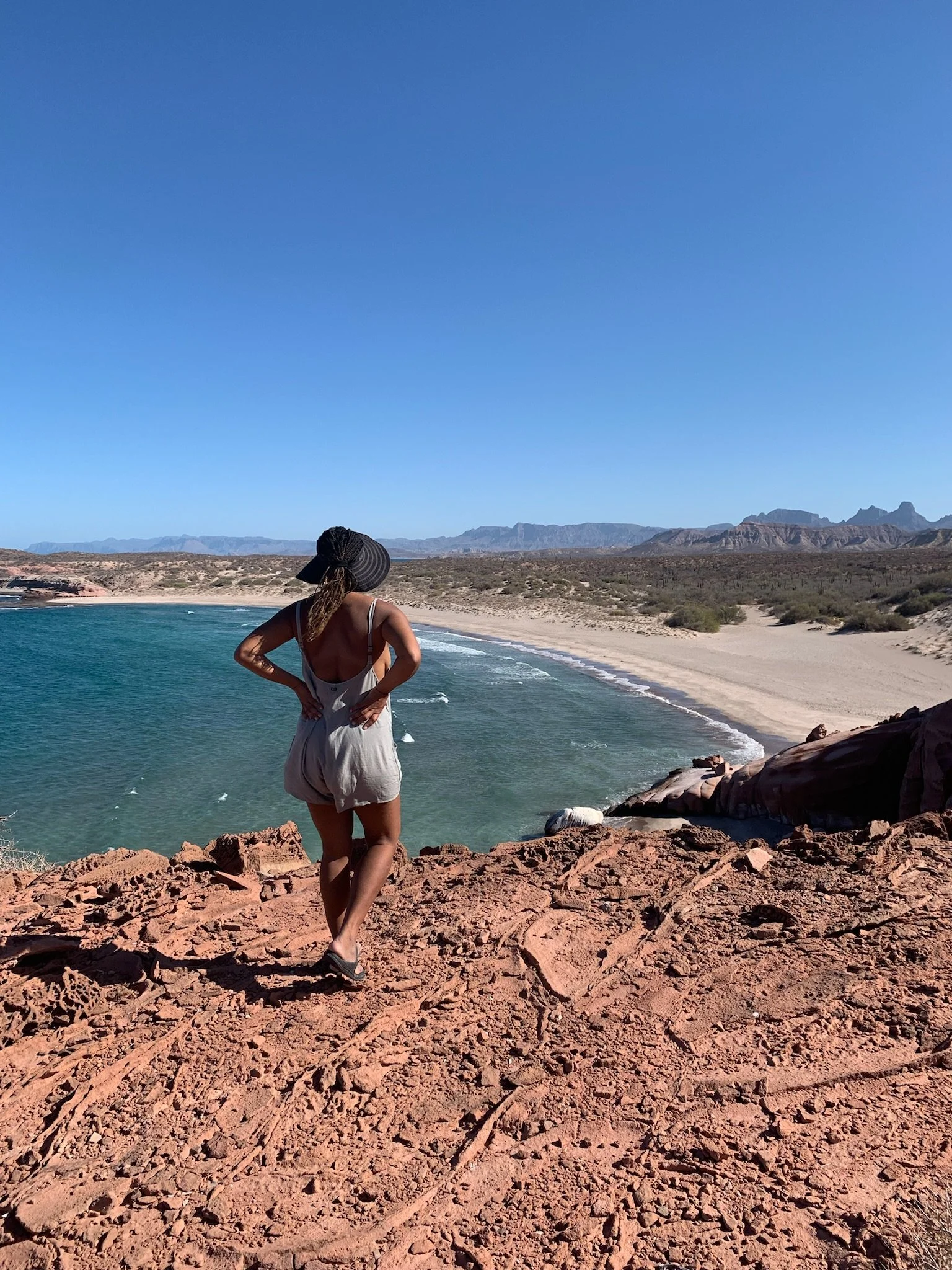
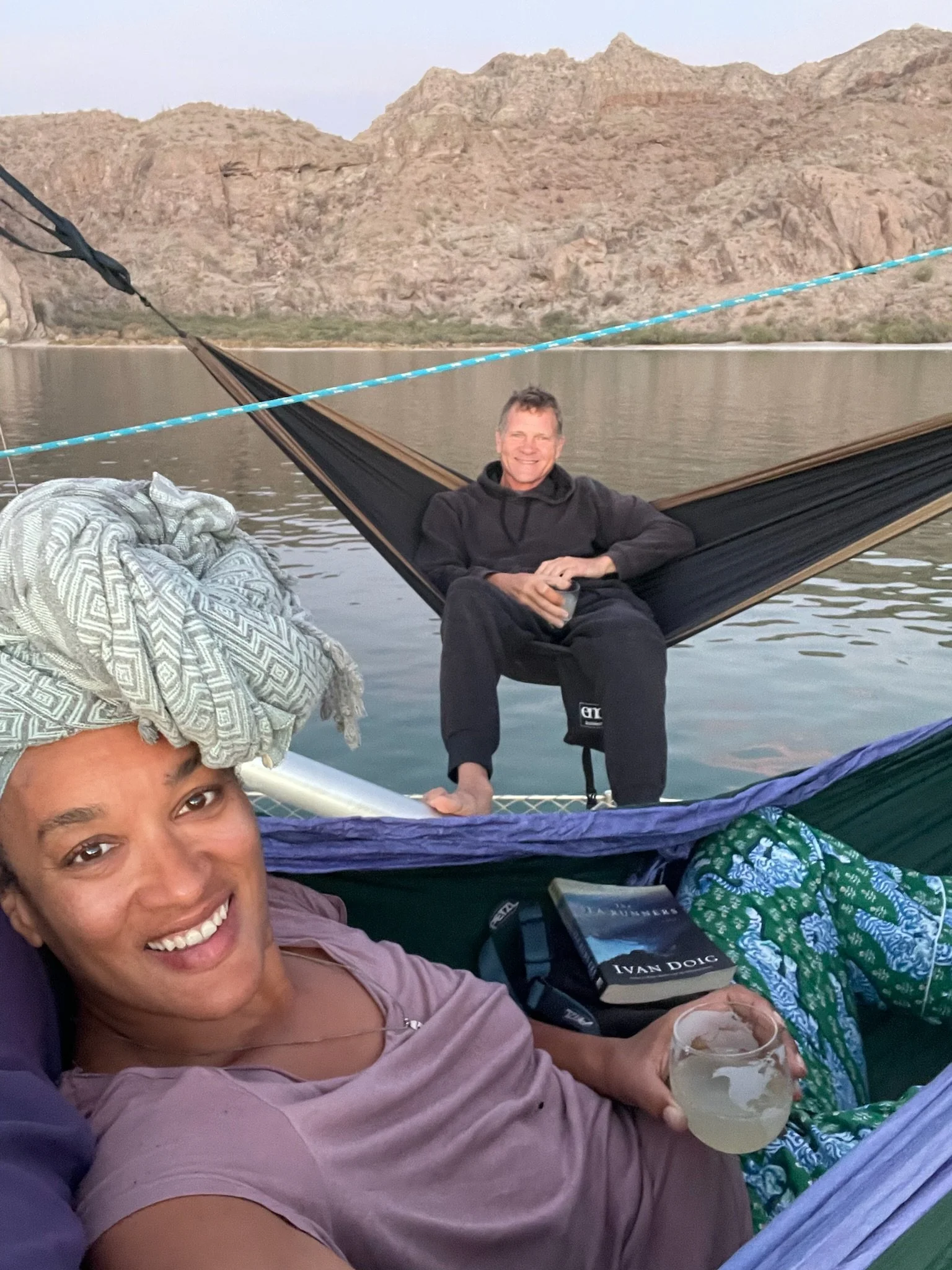
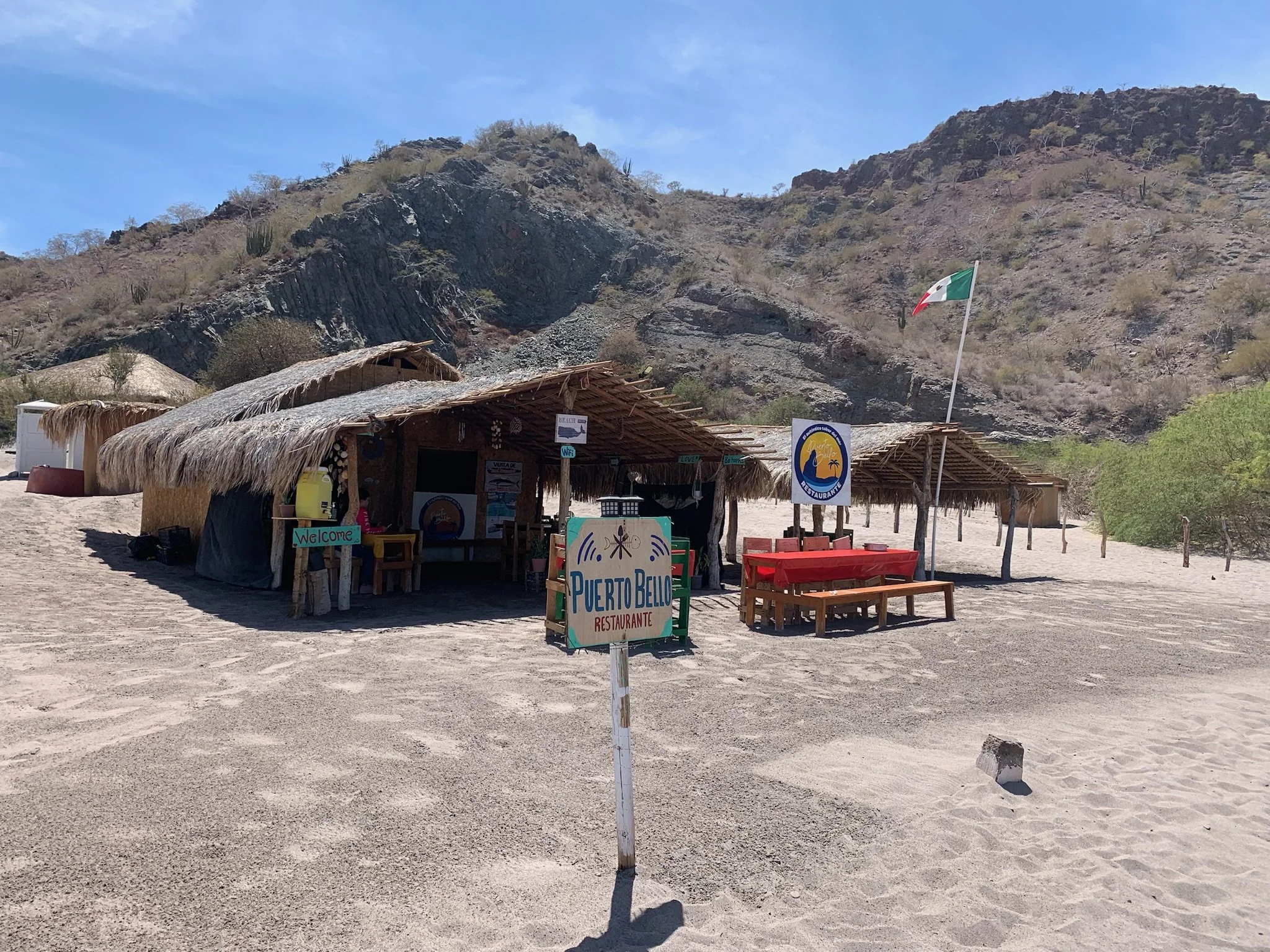
Cruising while working full-time has its challenges. Staring at a computer while rolling on the waves can be draining, and a 9-5 schedule leaves little time for the upkeep of the boat, which is a job in itself. There were certainly times when I envied the retiree cruisers with no schedule and endless time for boat projects and exploring, but in those moments, it took very little to shift my mindset. I remembered how hopeless I had felt just months earlier, before finding the work that made continuing our journey possible, and I thought about how many people save all year for a week or two in the beautiful locations that are our backyard. Anytime the endless hours at the computer started to get me down, nothing shifted my mind back to gratitude faster than grabbing my fins and snorkel, and jumping off the boat to find myself, just minutes after clocking out, immersed in a beautiful and deeply peaceful underwater world of colorful fish and intricate coral. For me, the ocean is always a fantastic reminder to let go of the mental to-do list, slow down, look around, and breathe. Taking this lesson to heart, we decided to take a weekend off from sailing and stay in Agua Verde, giving us time to work on projects, snorkel together, and enjoy an evening campfire on the beach before continuing our progress north.