Hurricane Season in San Carlos
May 25th - December 5th, 2025
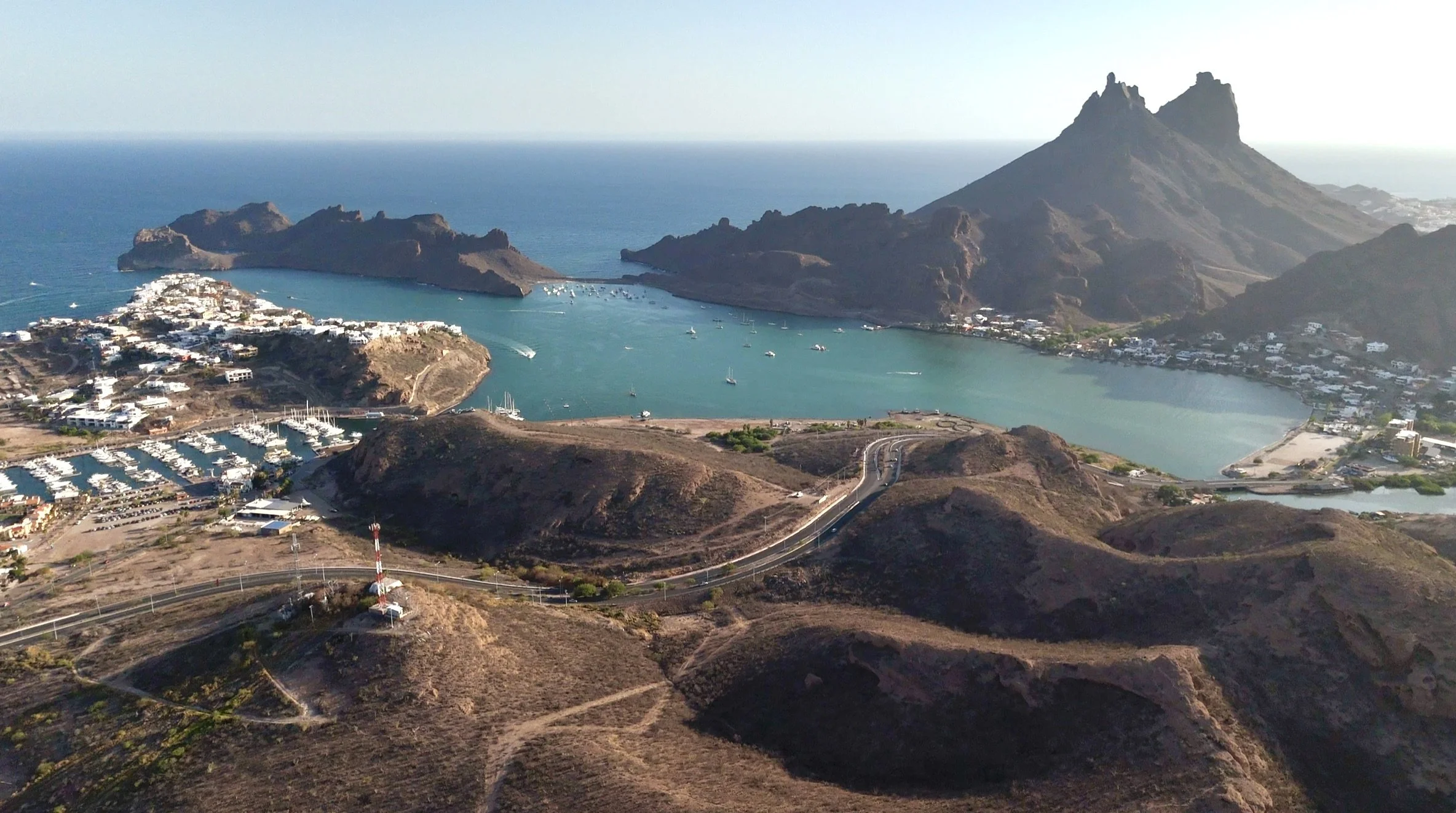
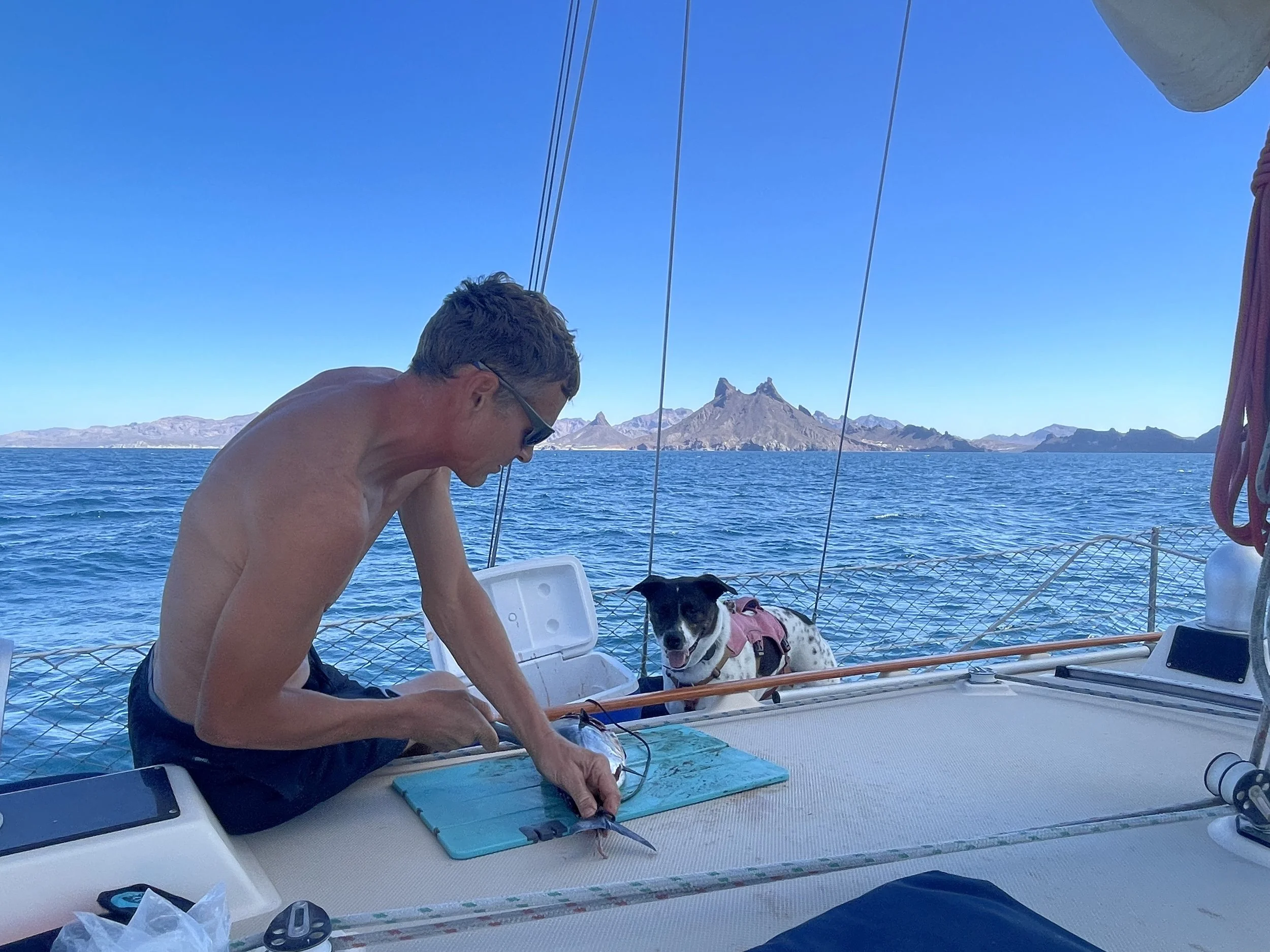
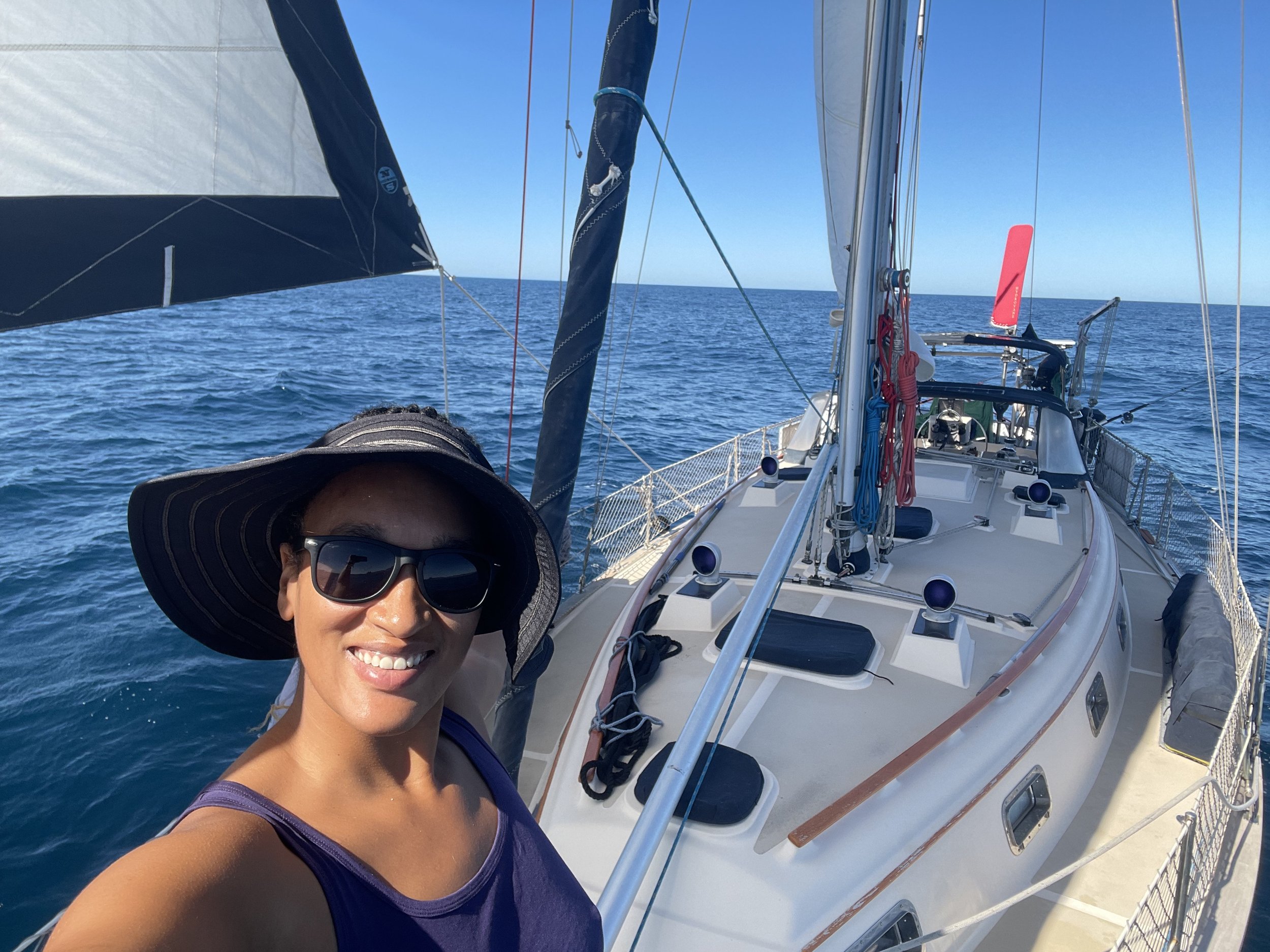
On the morning of May 25th, I woke to the sound of wind in the sails and the rocking motion of waves. I grabbed my hat and sunglasses and went up into the cockpit to relieve Karl from his four-hour watch. The previous night had been calm, and we had alternated sailing and motoring across the Sea of Cortez under clear, star-filled skies. Now, the wind had returned, and while I slept, Karl had witnessed an awesome dolphin show, with several leaping high in the air in front of the bow. Karl went down to sleep for a few hours, until the fishing rod gave its familiar buzzing sound, and I woke him with a yell of “fish on!” As we approached the distinctive hills marking the entrance to San Carlos Bay, Karl got the fish cleaned and filleted just in time to help drop the sails before entering the bay. We instantly loved San Carlos. Unique houses lined the hills along the bay, boats sailed in and out of the channel, and I spotted a huge sea turtle as we circled the crowded anchorage looking for a spot to drop the hook. Once settled and rested, we enjoyed cocktails and poké bowls made from our fresh catch, sitting on deck watching the parade of party boats leaving the bay to watch the sunset.
Over the next week, we got the lay of the land, stocked up on groceries, filled propane tanks, found the nearest lavanderia (laundromat), tried out local restaurants, and caught a ride to the larger city of Guaymas for harder-to-find grocery items and supplies. The following week, Karl took a long bus ride up to Puerto Penasco to meet a friend for the Circus Mexicus music festival (unfortunately, he got sick and missed most of the performances), then crossed to the United States and spent three weeks doing work for the NBA championships. I enjoyed my alone time on the boat, working, taking Desi on hikes, and grilling dinner every night, since our stove had ceased working. As is typical after a long season of sailing, things had begun to break on the boat. Navigation lights went out, the VHF radio was having issues, and now we had no stove! Honestly, I wasn’t bothered much because it was getting too hot to cook inside anyway. So, I learned to cold brew my coffee and survived on grilled fish, veggies, and salads. I got a bit of a fright when two party boats dragged anchor into Otaria on the same day, though luckily I noticed both of them in time to fend them off without damage. Otherwise, it was a quiet, though very hot, couple of weeks.
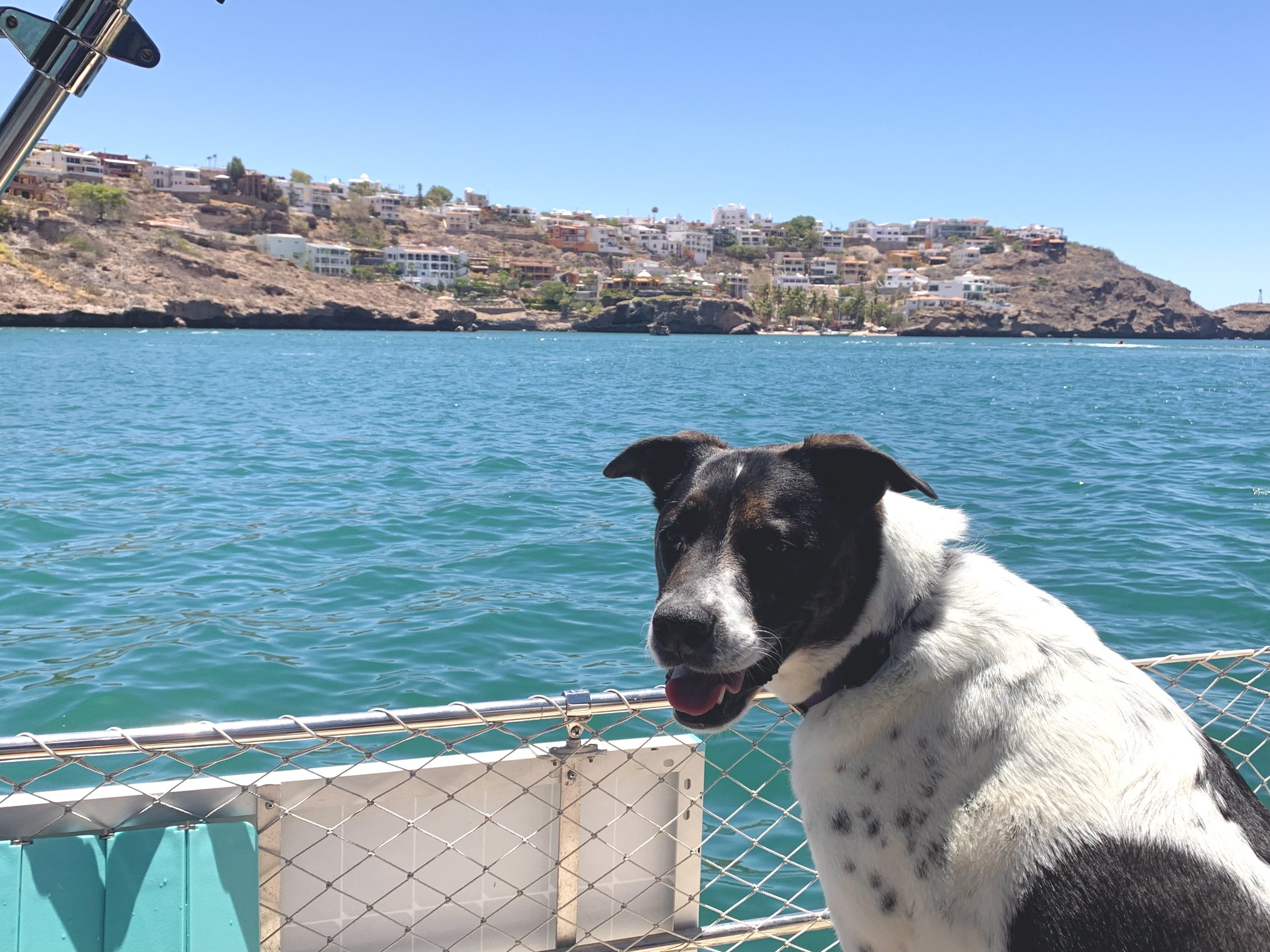
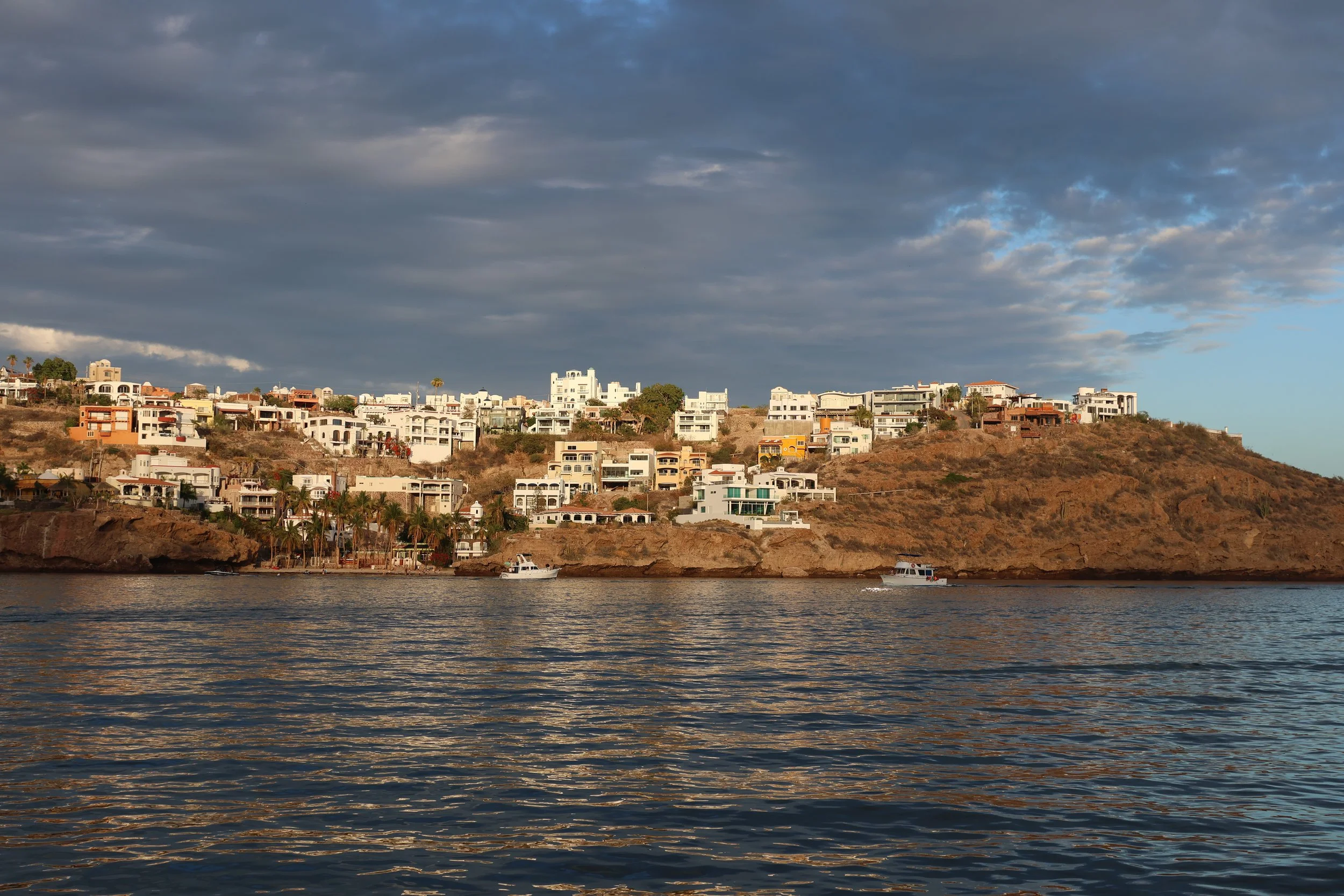
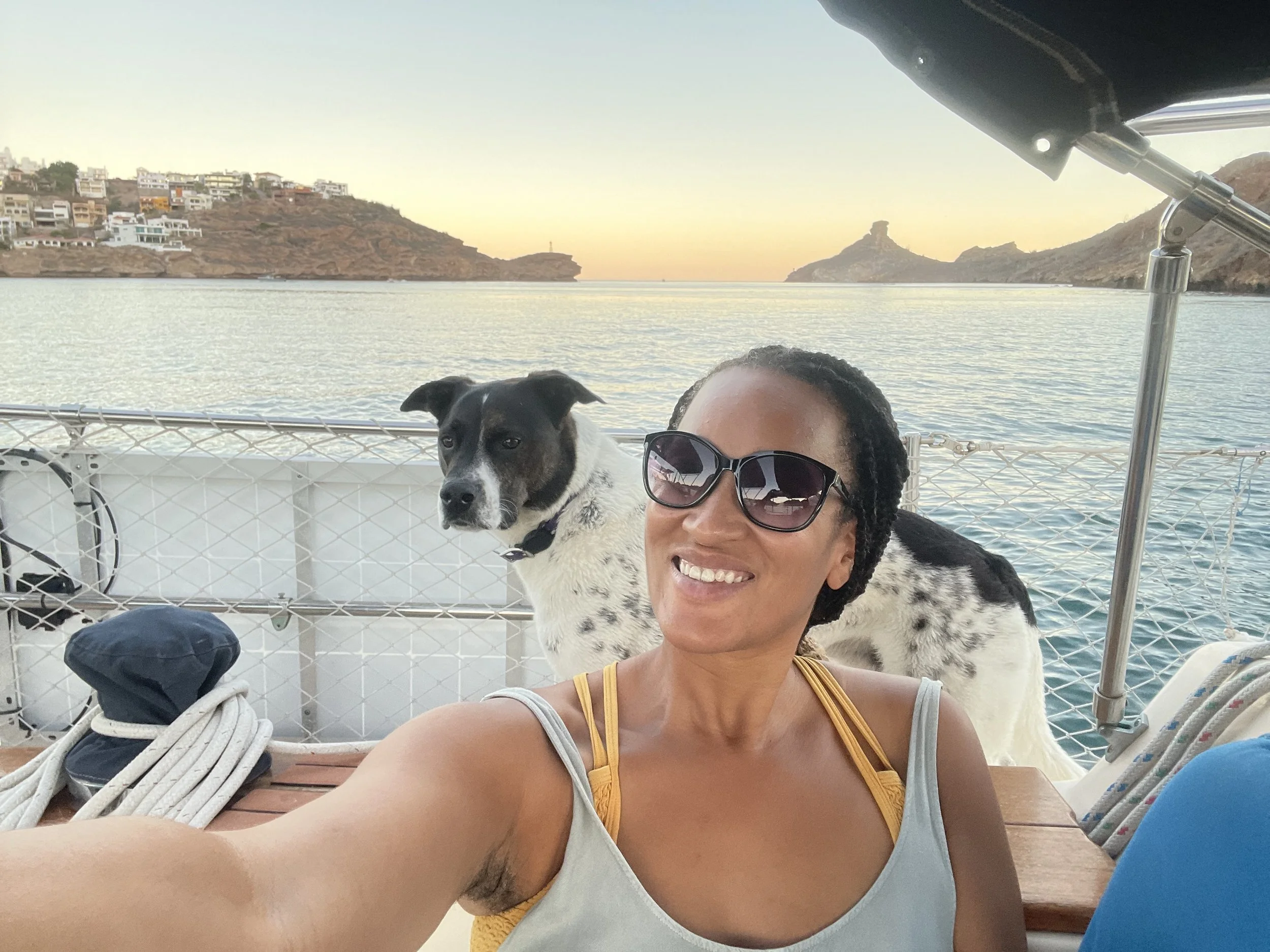
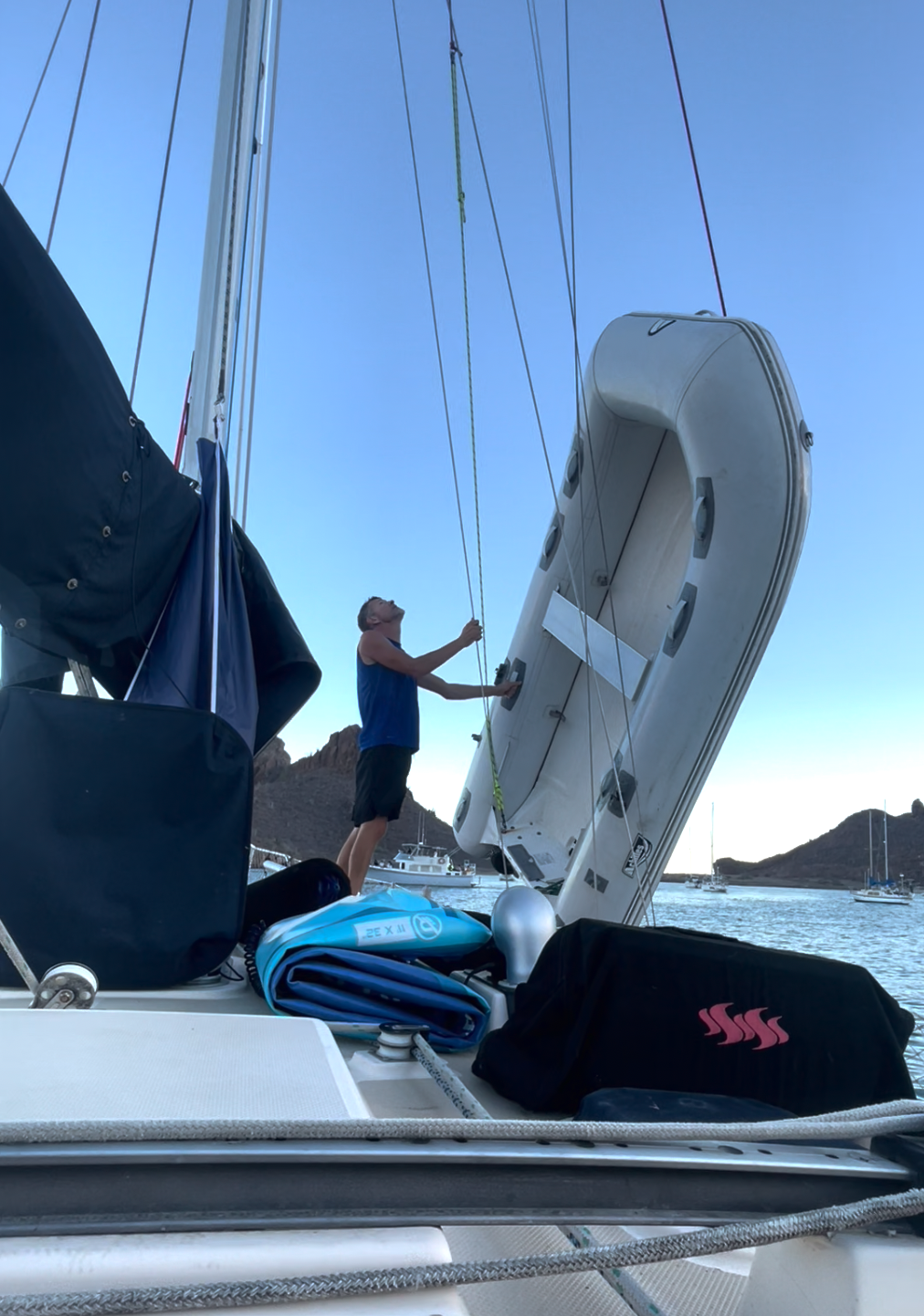
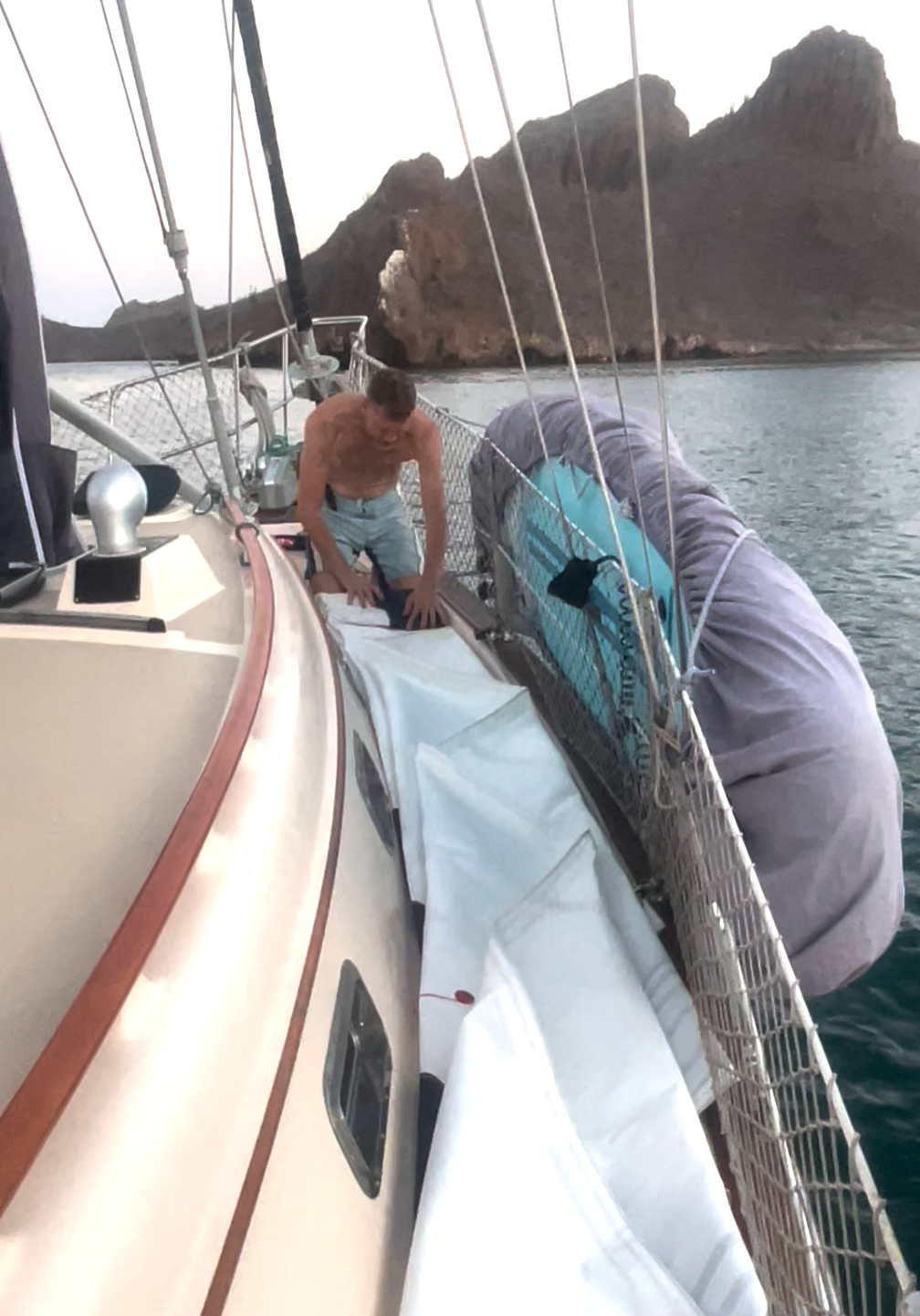
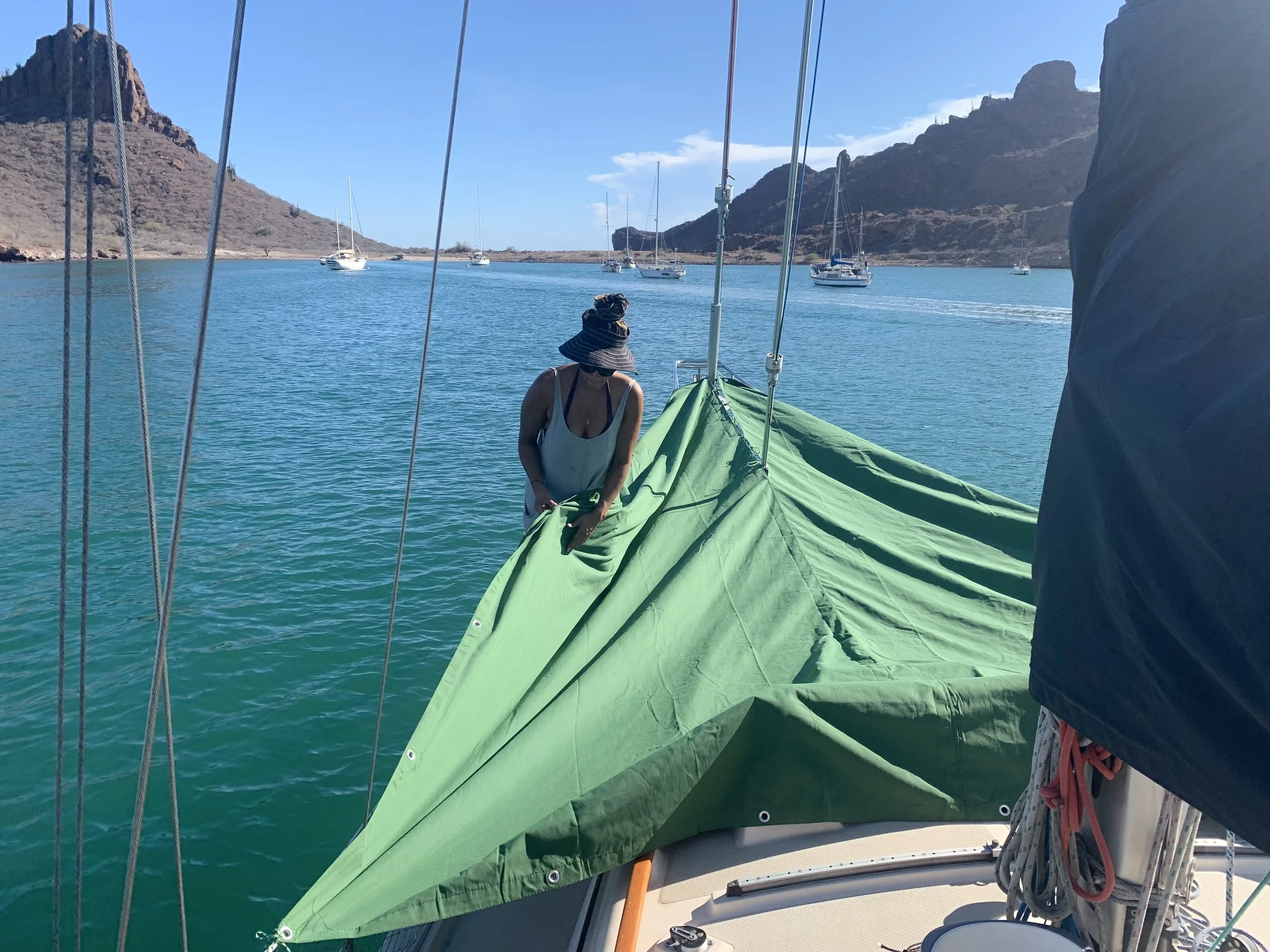
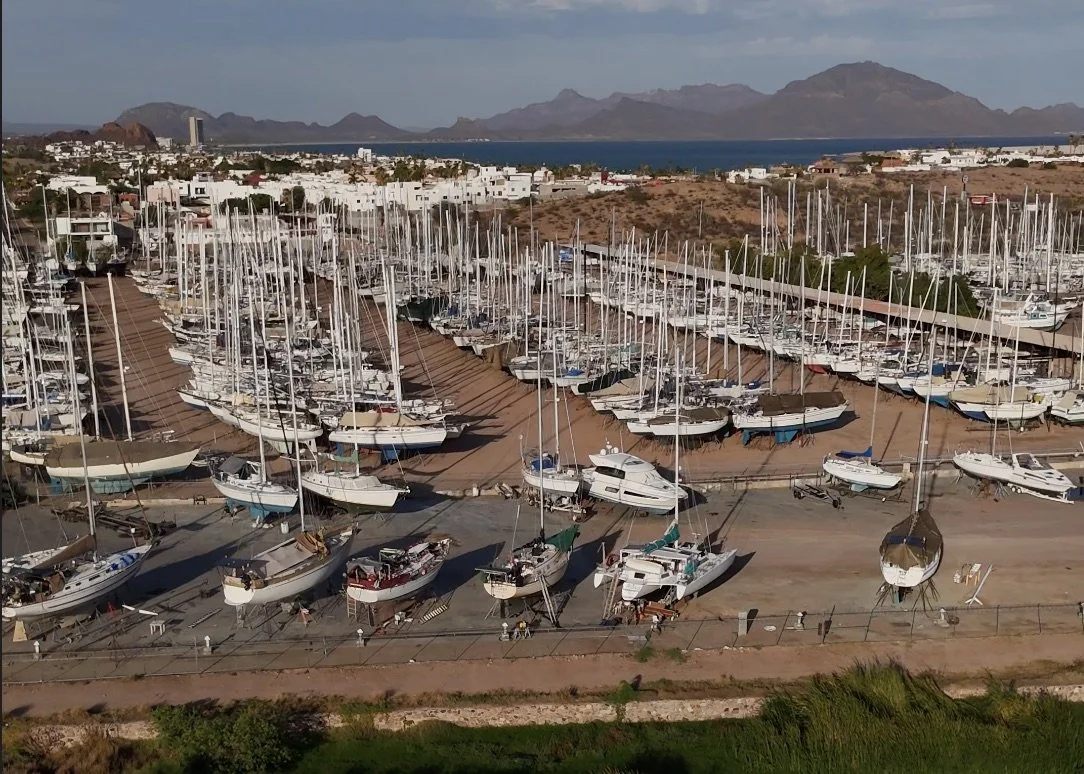
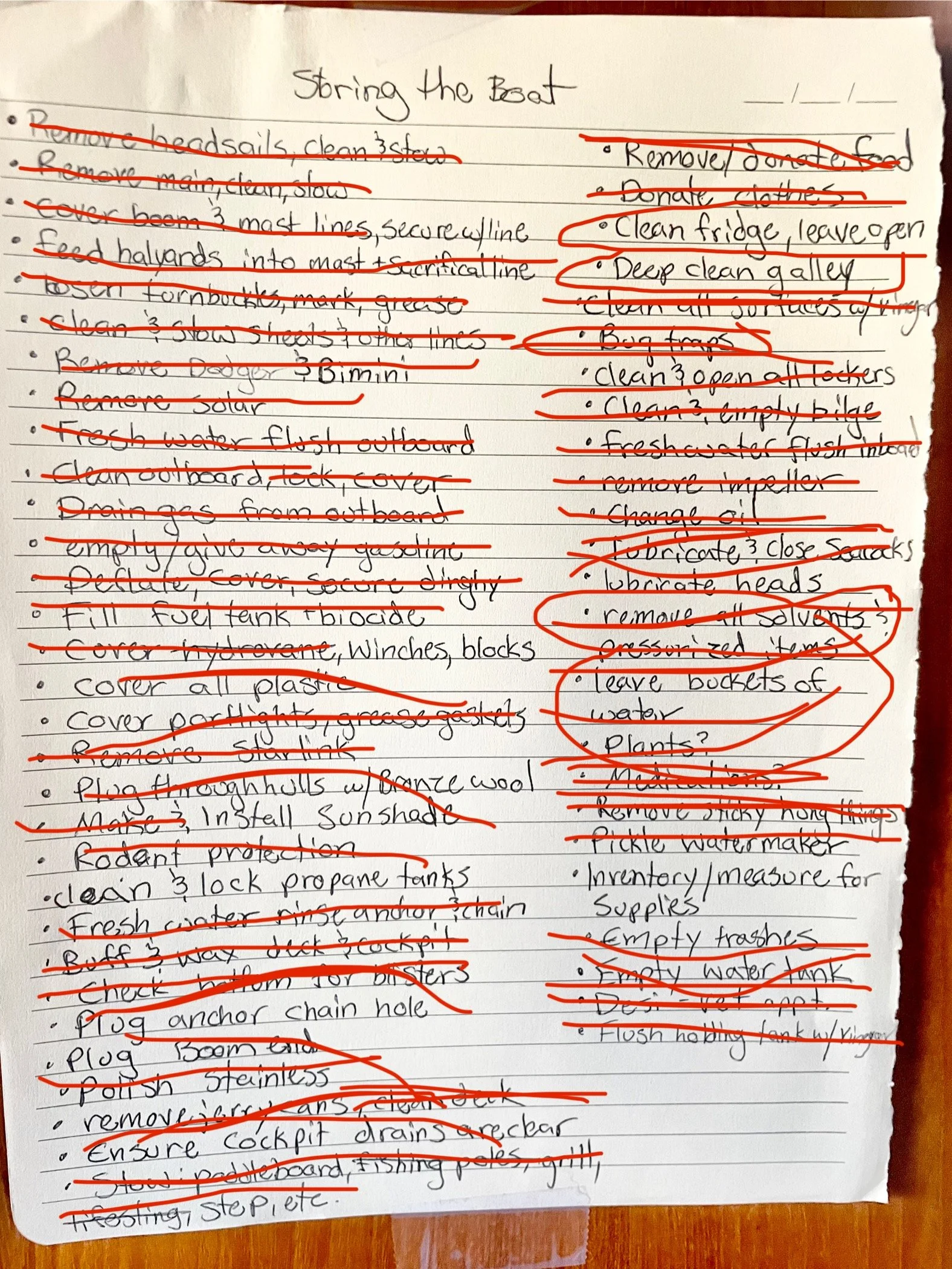
We had decided to haul Otaria out of the water and store her in the boat yard for the summer months while we traveled back to the States. This is a common practice for cruisers in Pacific Mexico, the majority of whom spend October through June sailing, then leave their boats during the brutally hot and stormy summer season. However, this being the first time we had both left the boat for more than a week or two, we were a bit daunted by the task. The intensity of the sun and storms during the summer months can wreak havoc on a boat, degrading plastics and lines, carrying dirt into every crevice, and heating the interior like an oven, not to mention the dangers of water infiltration in heavy downpours or bug or rodent infestations. We had a very long list of tasks in preparation.
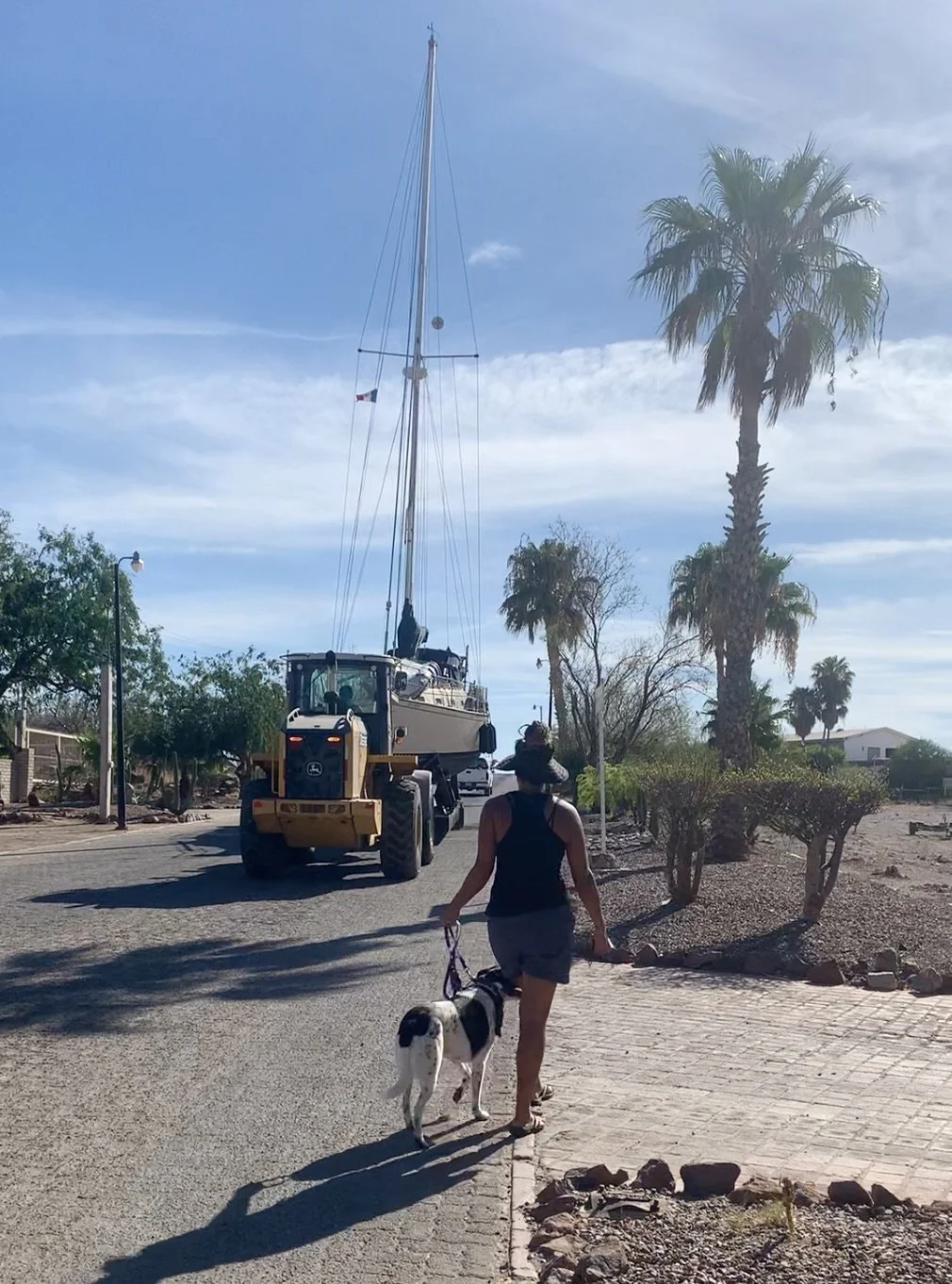
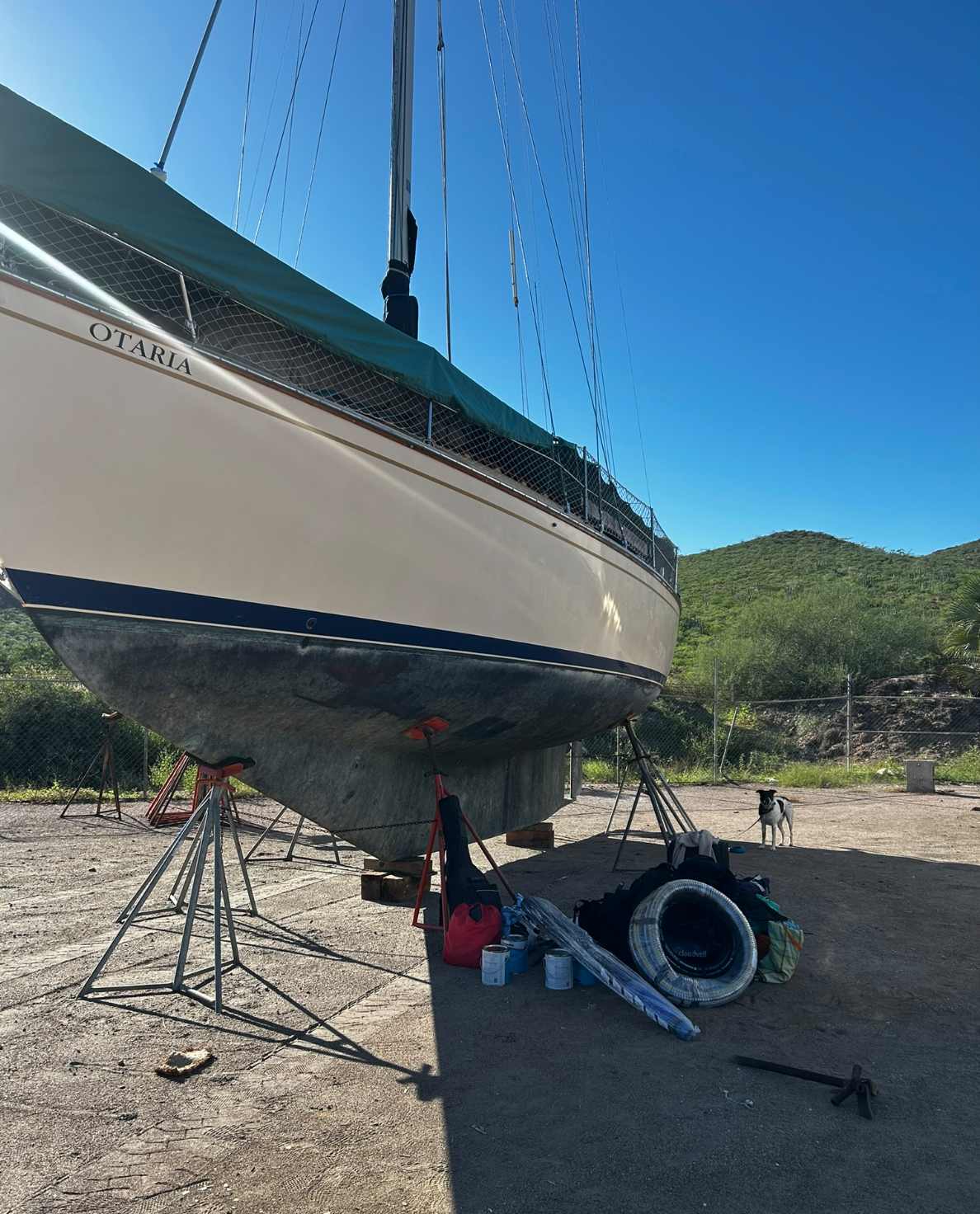
When Karl returned from his trip, the temperatures had already risen to uncomfortable heights, and we were sticky with sweat minutes after showering. The humidity was high, and crawling into damp bedsheets each night was not a pleasant feeling. Realizing that once the boat was hauled out away from the ocean breeze, it would be even hotter, and too hard for me to continue working while Karl tore apart the boat, Karl found a cheap rental room behind J.J.’s Tacos restaurant where we could spend our last week of preparation. Preparing for haulout day, we removed the headsails, topped off the fuel, got rid of all the food on board, and hauled the dinghy up on deck. Trusting strangers to lift and move your home is always a bit nerve-wracking, but the guys running the operation were incredibly experienced and skilled, and everything went like clockwork. Still, it was very strange to see Otaria being driven down the main road through town, hauled by a tractor!
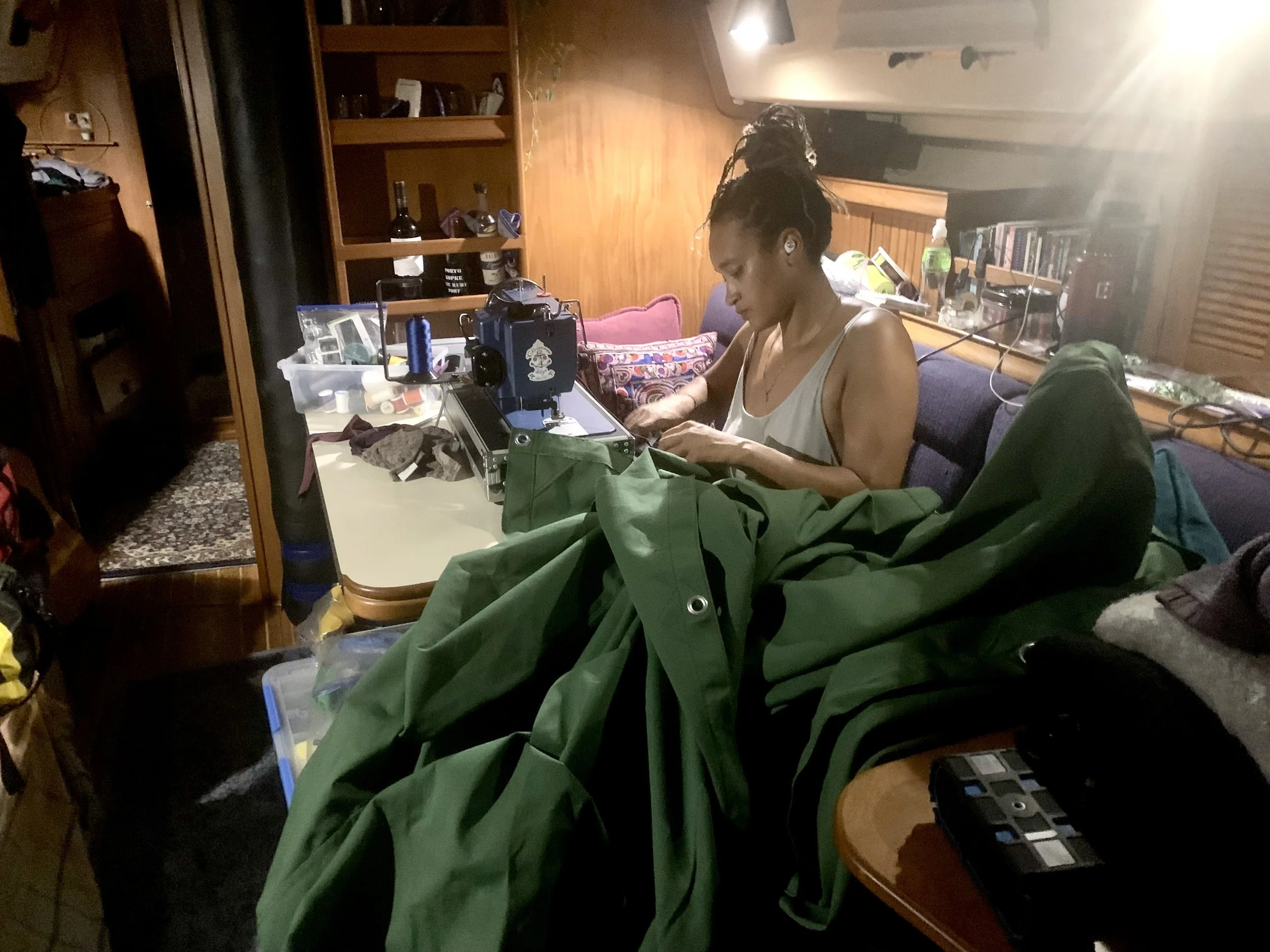
I spent the next week working from J.J.’s rental room, taking Desi for a run on the beach each evening before walking to the boatyard to find Karl exhausted and sweat-soaked after a day of toiling in the heat. In the evenings, I finished sewing a full canvas cover for the deck, covers for the life raft, outboard motor, and hydrovane, and deep-cleaned the boat interior. Karl pickled the watermaker, serviced the engine and outboard motors, and scrubbed the salt from the exterior of the boat, the dinghy, and the anchor chain. Lockers were opened for ventilation, portlights and exterior plastics were covered with foil, solar panels and canvas removed, and lines were replaced with sacrificial paracord. By Saturday, Otaria was all sealed up and protected, and bright and early, our hired driver, Jorge, and his wife arrived, and we piled in, with the dog and all our stuff, headed for Tucson.
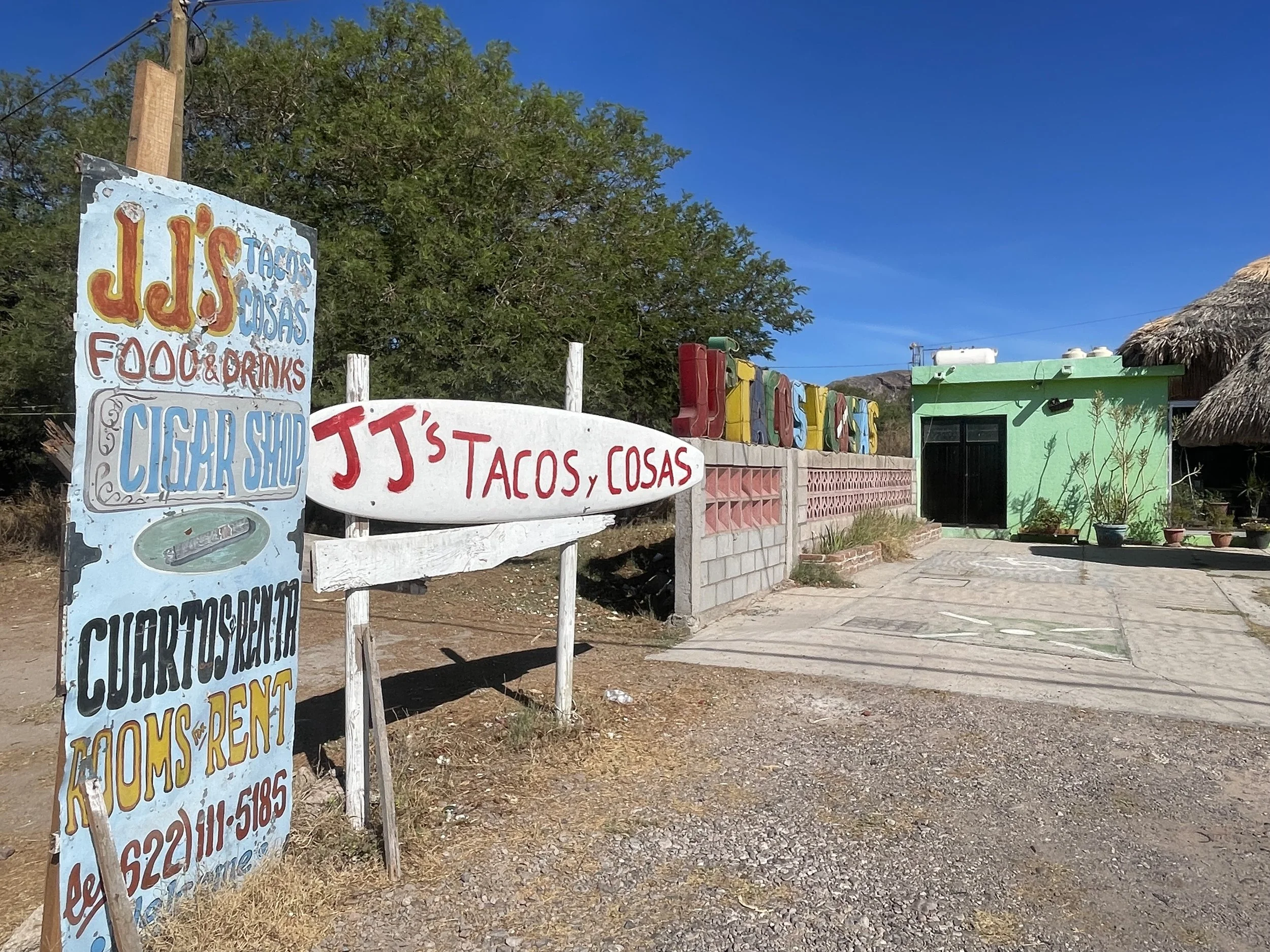
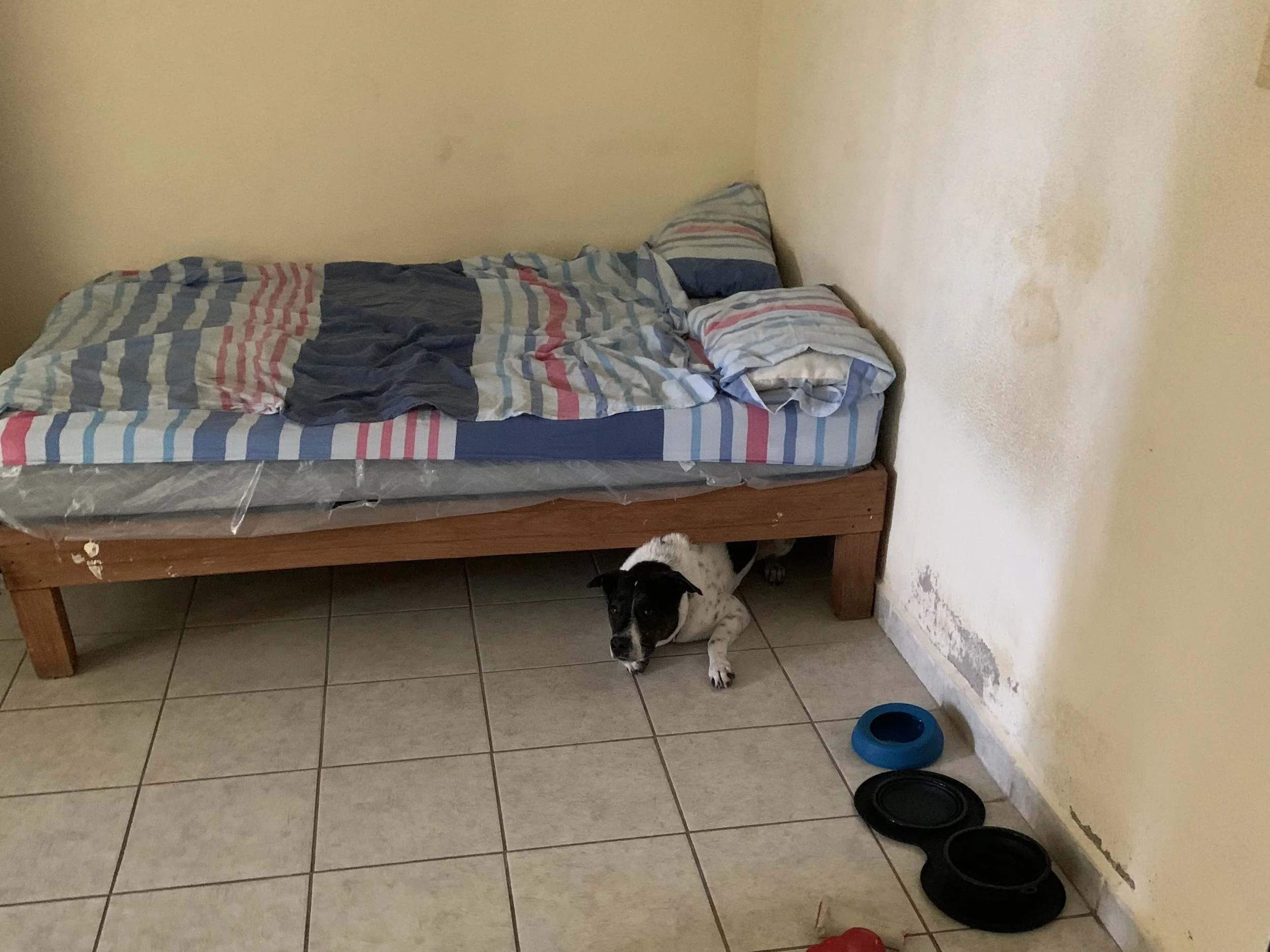
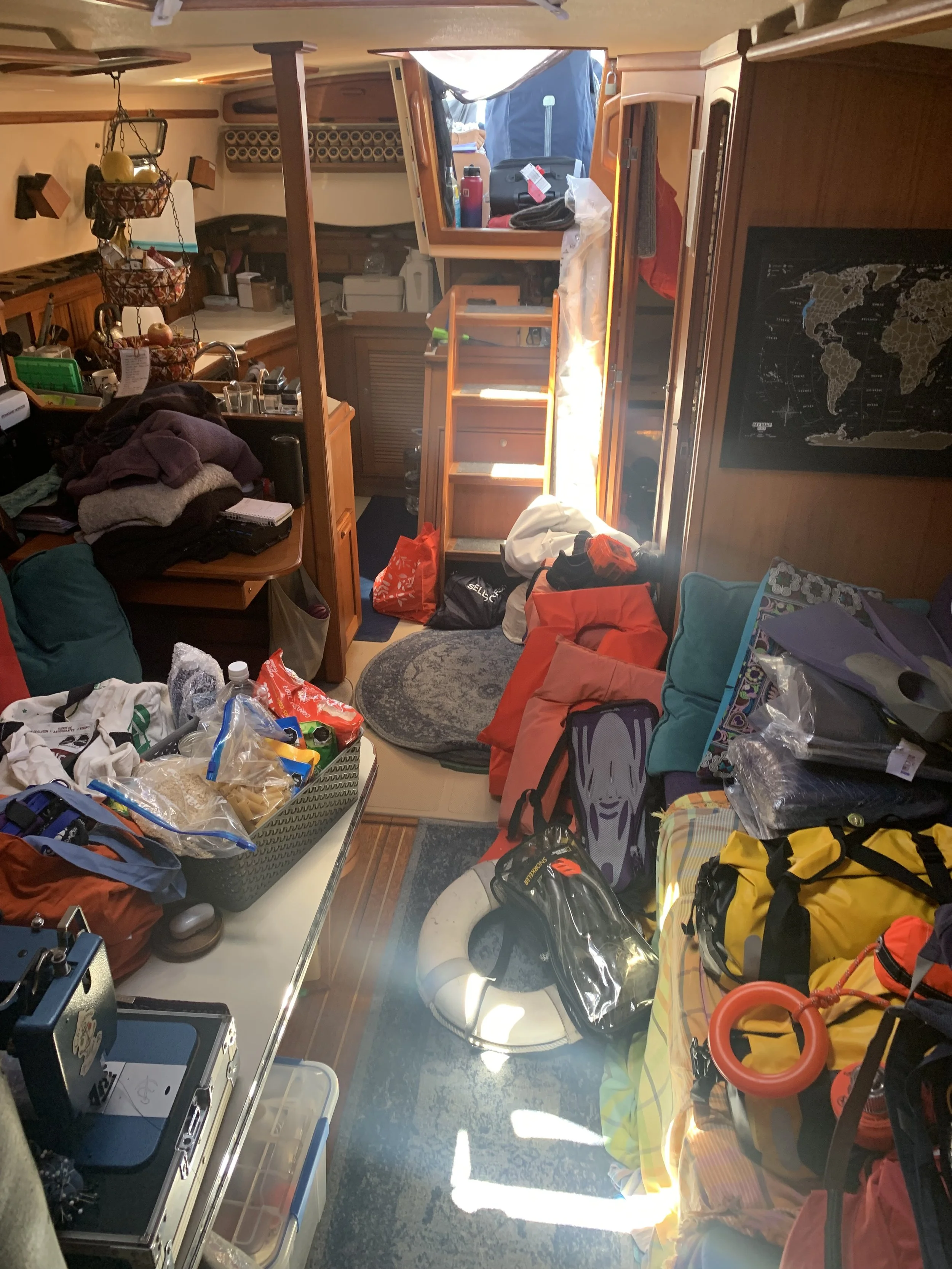
Having an anxious and reactive dog makes many situations feel unpredictable, so we were both nervous about taking Desi in a stranger’s car on a six-hour trip that would involve several checkpoints with armed officials, possible inspections, and a border crossing. But with a few edible bribes, Desi did fine, and the border guards had no interest in him whatsoever. When we finally arrived in our motel room in Tucson, we breathed a huge sigh of relief. The to-do list and the logistics of the past weeks had felt insurmountable, and being on the other side of it was glorious. It was funny how a king-sized bed in a dingy Motel 6 could feel like the height of luxury after the ancient lumpy mattress at JJ.’s and the hours spent laboring on a 110-degree boat. We ordered as much Thai food as we could eat and lounged in front of the big screen TV, feeling like royalty!
The next day, we picked up a rental car and drove for two days up to Eastern Oregon, where we spent a week with my mom and her husband, and visited Karl’s son and daughter-in-law before heading to Portland, where we had rented a small studio apartment downtown. Even though we had only been in Mexico for six months, being back in the States and living on land felt like a culture shock. The huge size and endless variety at the grocery store left me wandering in a daze, and the speed at which money drained from our account was startling. When sailing, we often go for weeks without spending any money. We stock up on provisions and then head out to enjoy nature until we start running low. In the city, we were paying for parking, gas, bus tickets, coffees, movie tickets, and drinks and meals with friends. Every time we left the house, it cost money. Plus, we had a huge list of supplies we needed to purchase in the U.S. to prepare for our next sailing season. However, it was well worth all the work and cost to spend so much time with our loved ones.
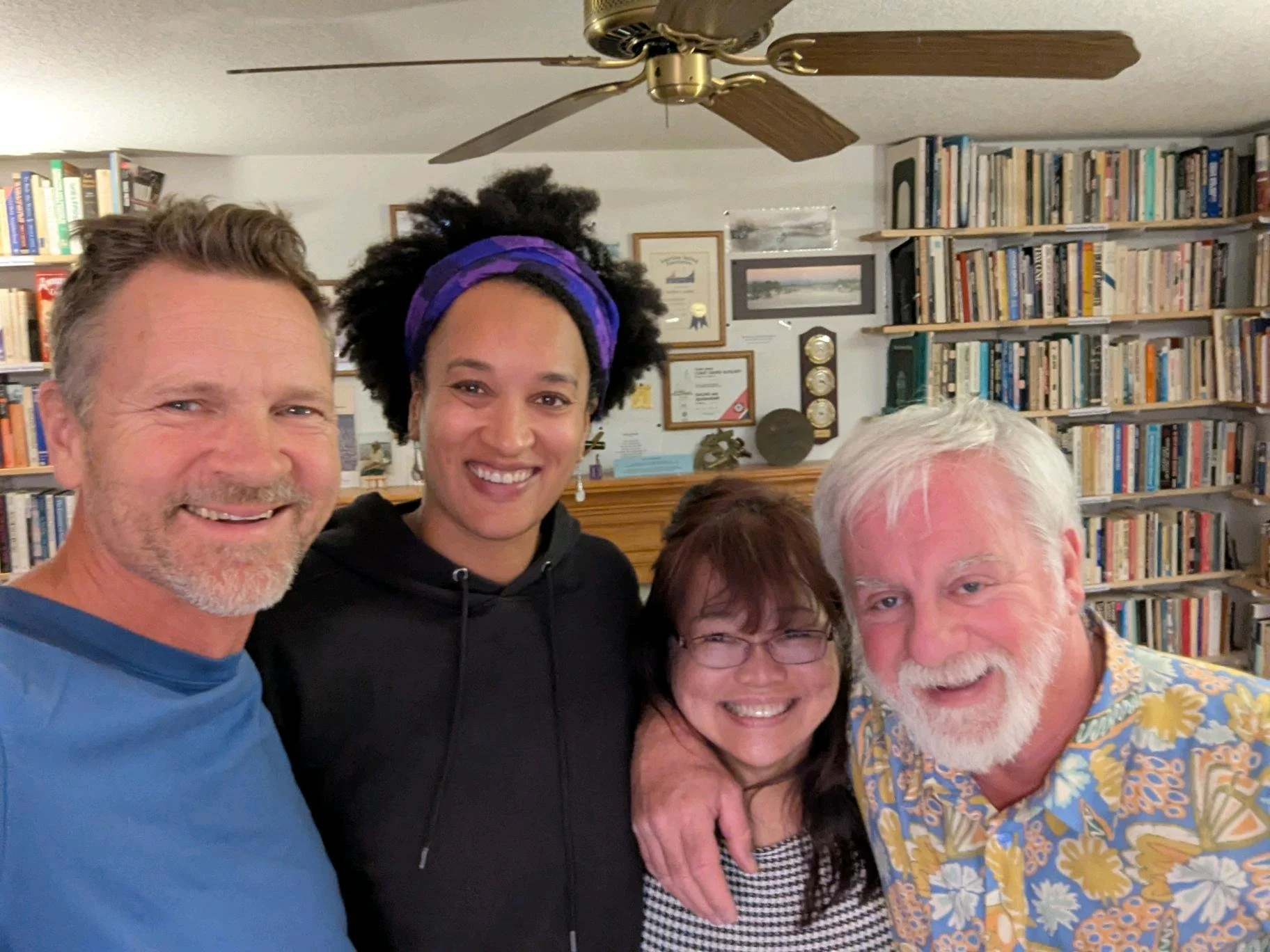
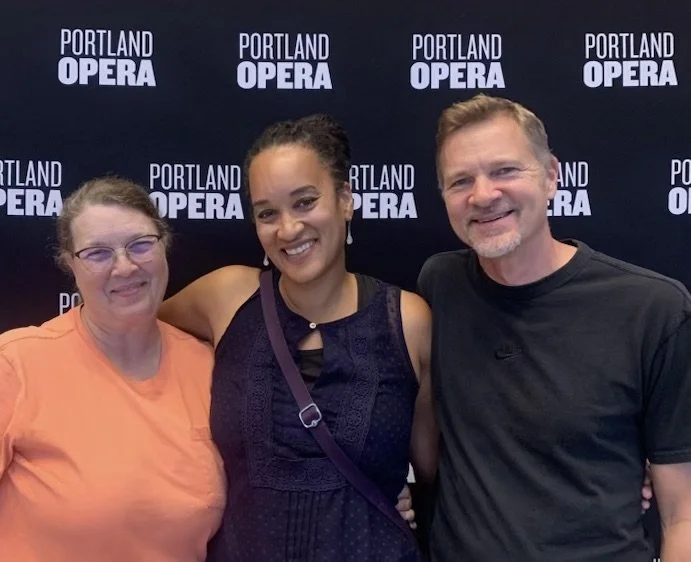
Most cruisers, if asked, will tell you that the hardest part about the lifestyle isn’t the storms or the constant boat maintenance, it’s being away from the people we care about most. That separation brings a heightened appreciation of the time we do get together, and we cherished our three months near family and friends. We spent a weekend on the coast, sailed on the Columbia River, canoed on the Willamette, went on group bike rides, attended happy hours, movies, and a baseball game, and shared many a meal with friends. Karl picked up shifts at a friend’s axe-throwing bar, I flew to the East Coast to visit family, and we drove up to Washington for a family wedding and to visit dear friends.
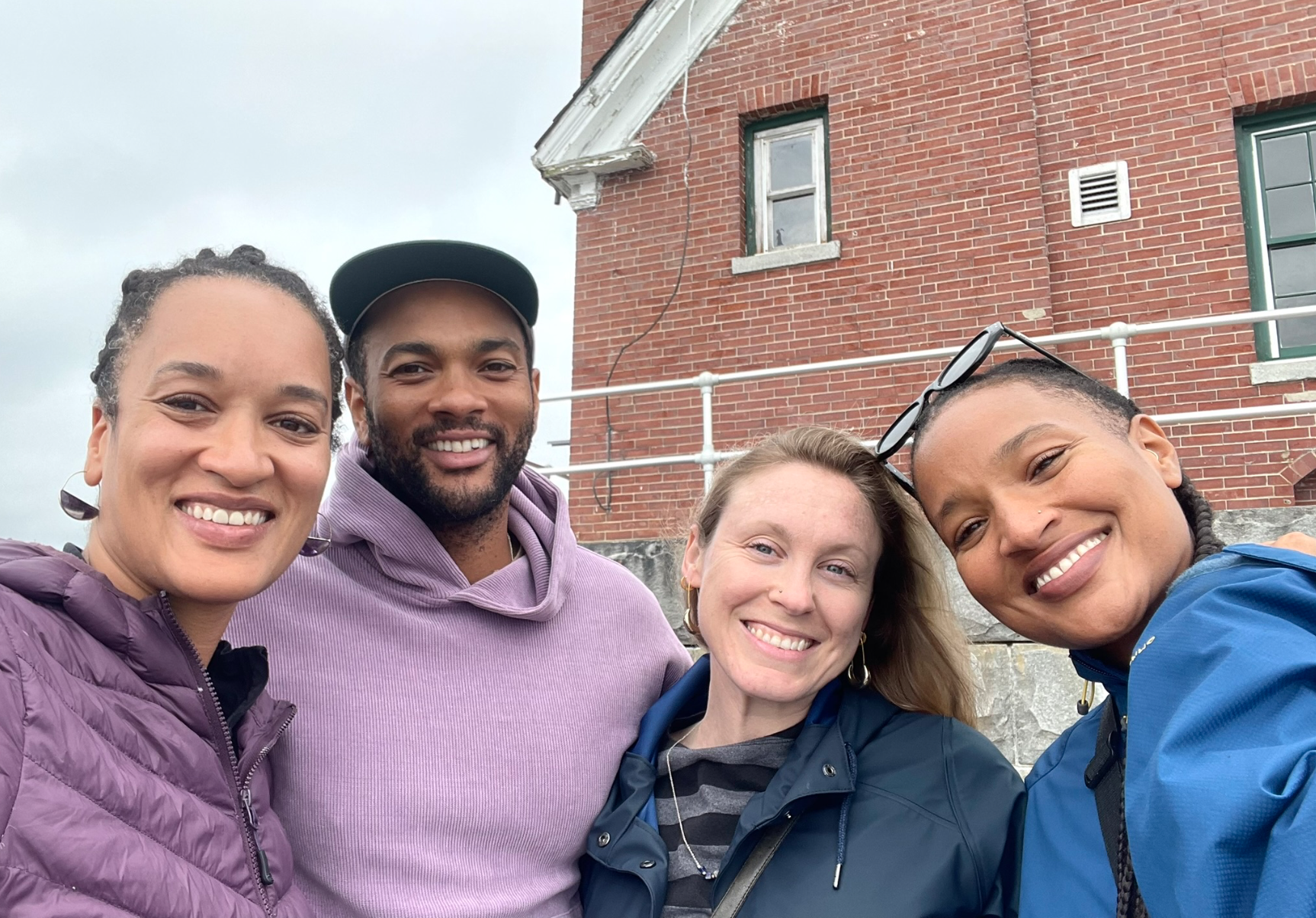
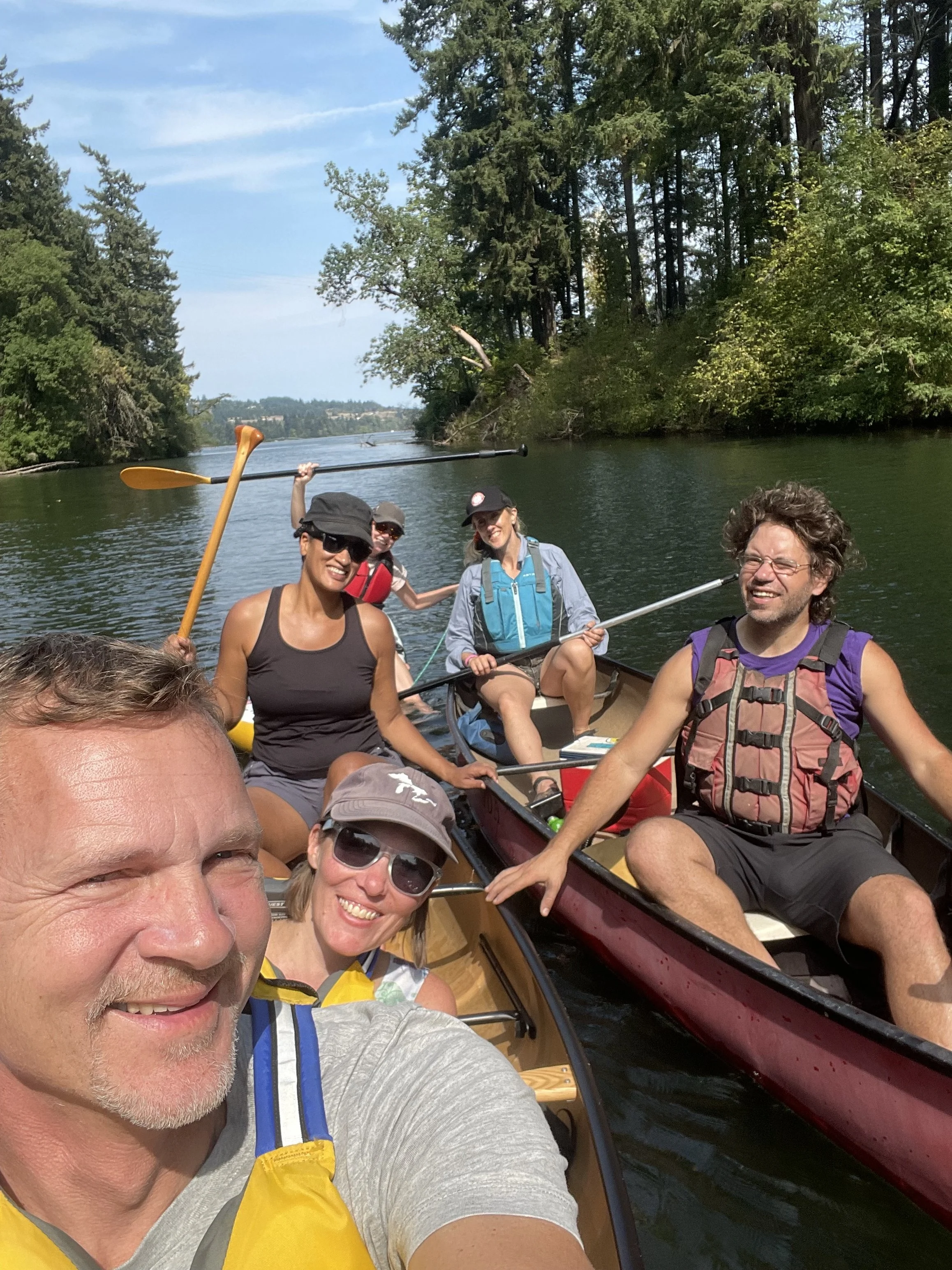


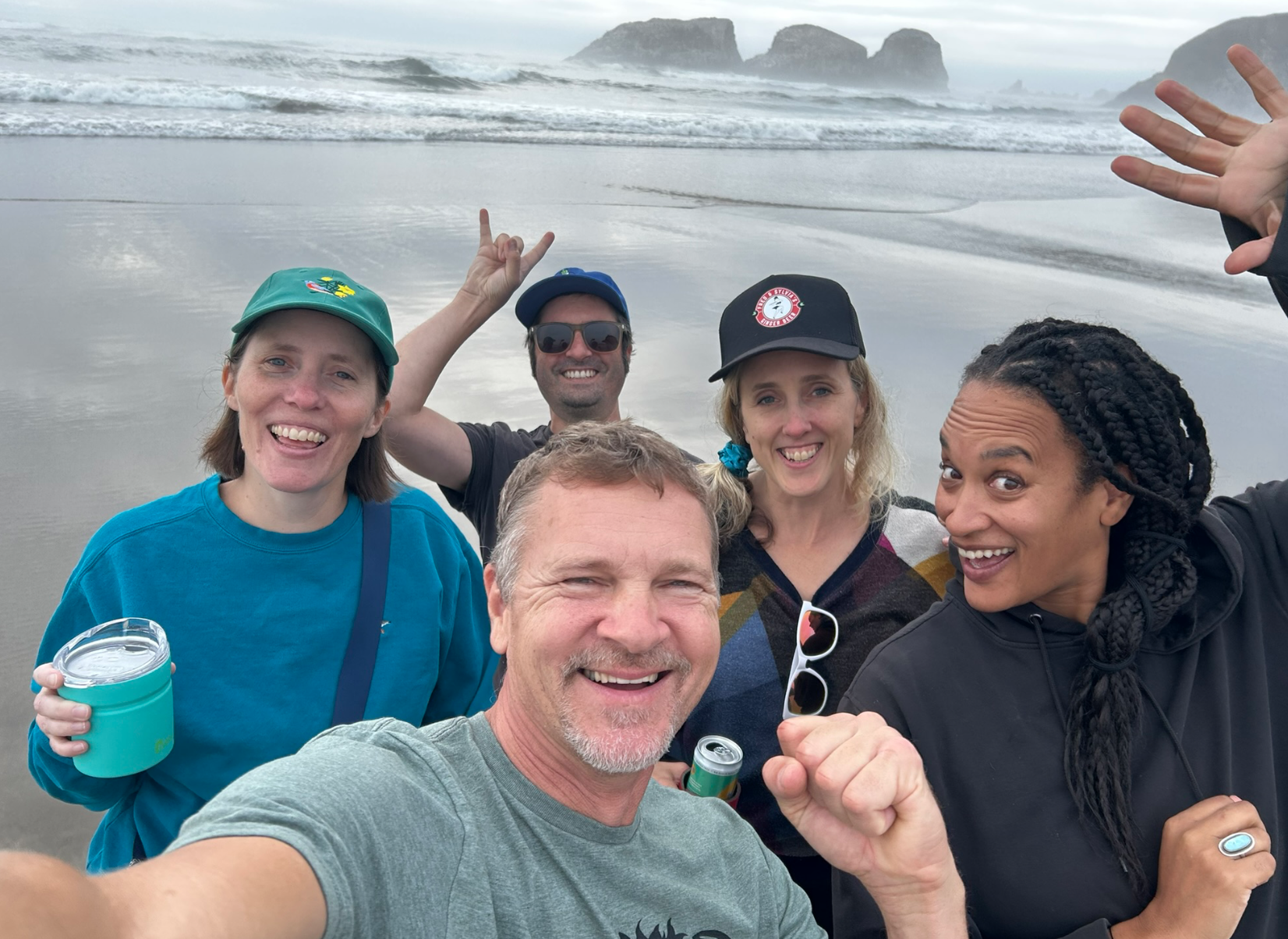
During our last month in Portland, Karl found full-time remote work, and the next week, I was laid off from my job. Rather than being upset, it felt serendipitous. I was burned out from working while traveling for so many months, and neither of us could imagine how we would manage all the boat work that awaited us on our return to San Carlos while both working full-time. It was the first time I’d ever received severance pay, so being paid not to do my job while instead having time to work on Otaria felt like a gift.
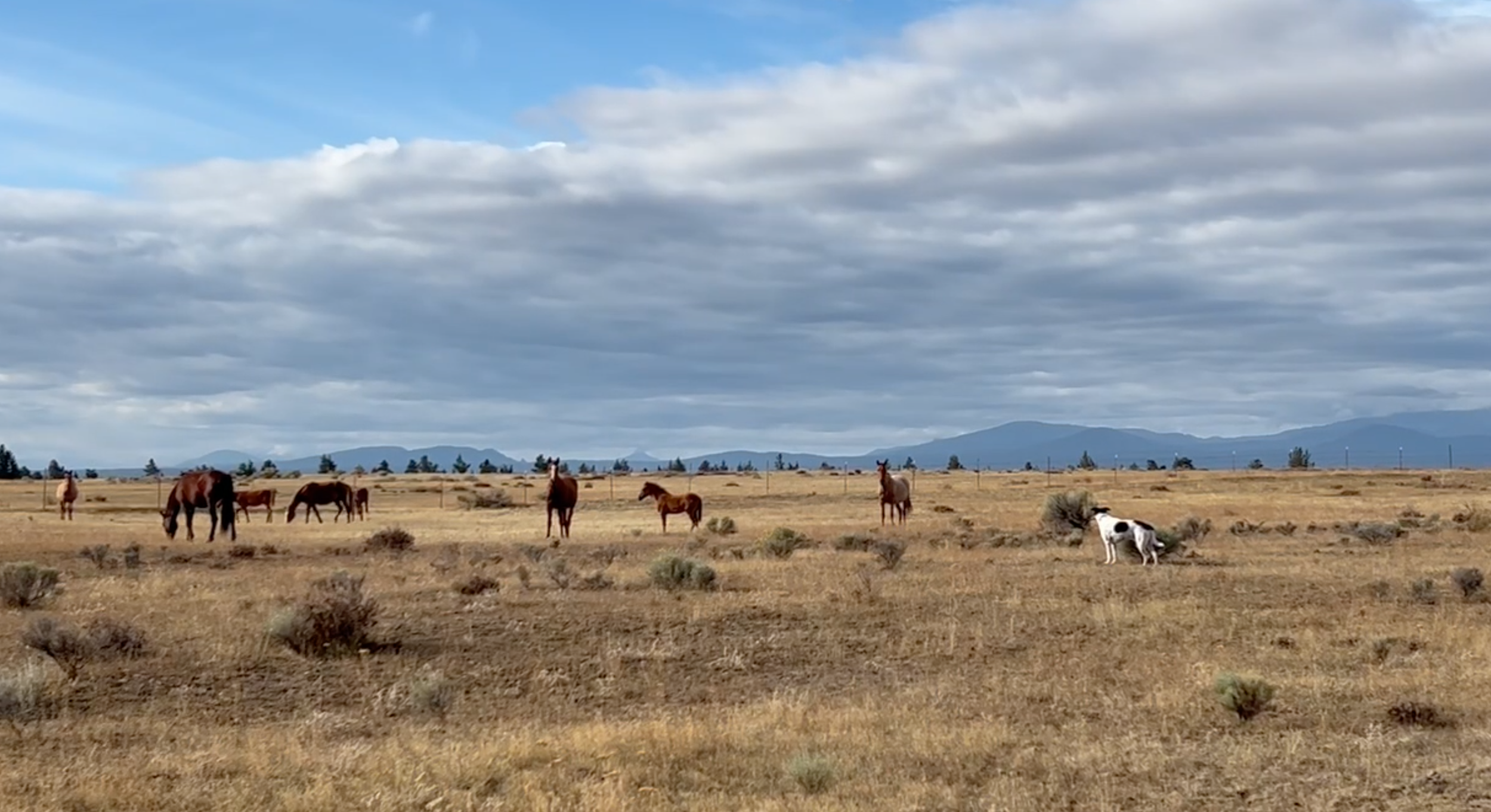
We finished out our trip with another week at my mom’s, giving us time to slow down, and Desi time to run wild, chasing the wild horses and cattle with her pack of dogs, before hitting the road. After driving two days and finding ourselves back in the same motel in Tucson, the summer felt like a spectacular dream. On the weekend, we loaded up Jorge’s car with twice as much stuff as before, cleared customs, acquired new tourist visas, and made our way back to the boat yard, where Otaria stood waiting on stands. I felt a huge sense of relief to be home again, with everything I needed in one place after months of shuffling luggage around and sleeping in different beds.
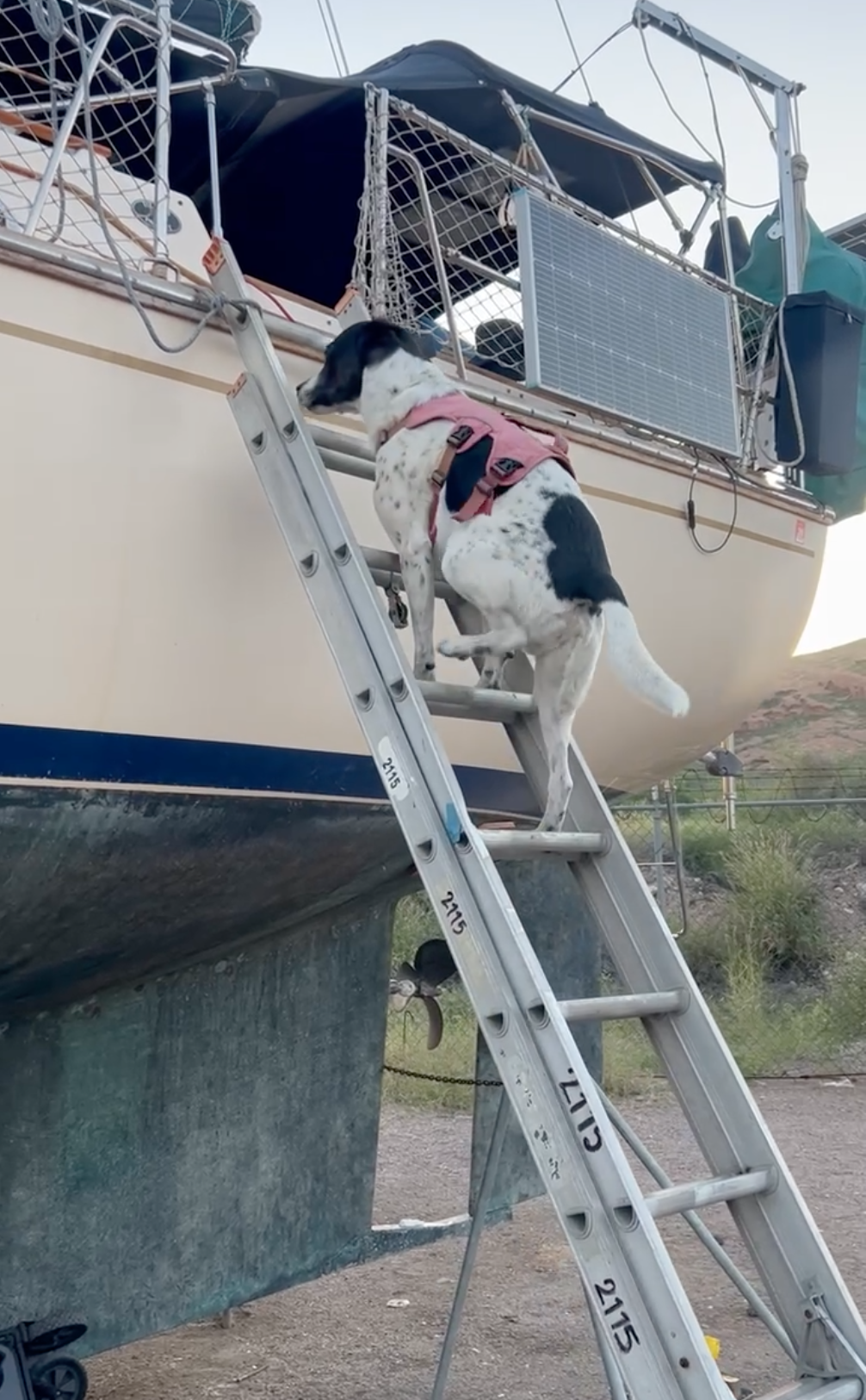
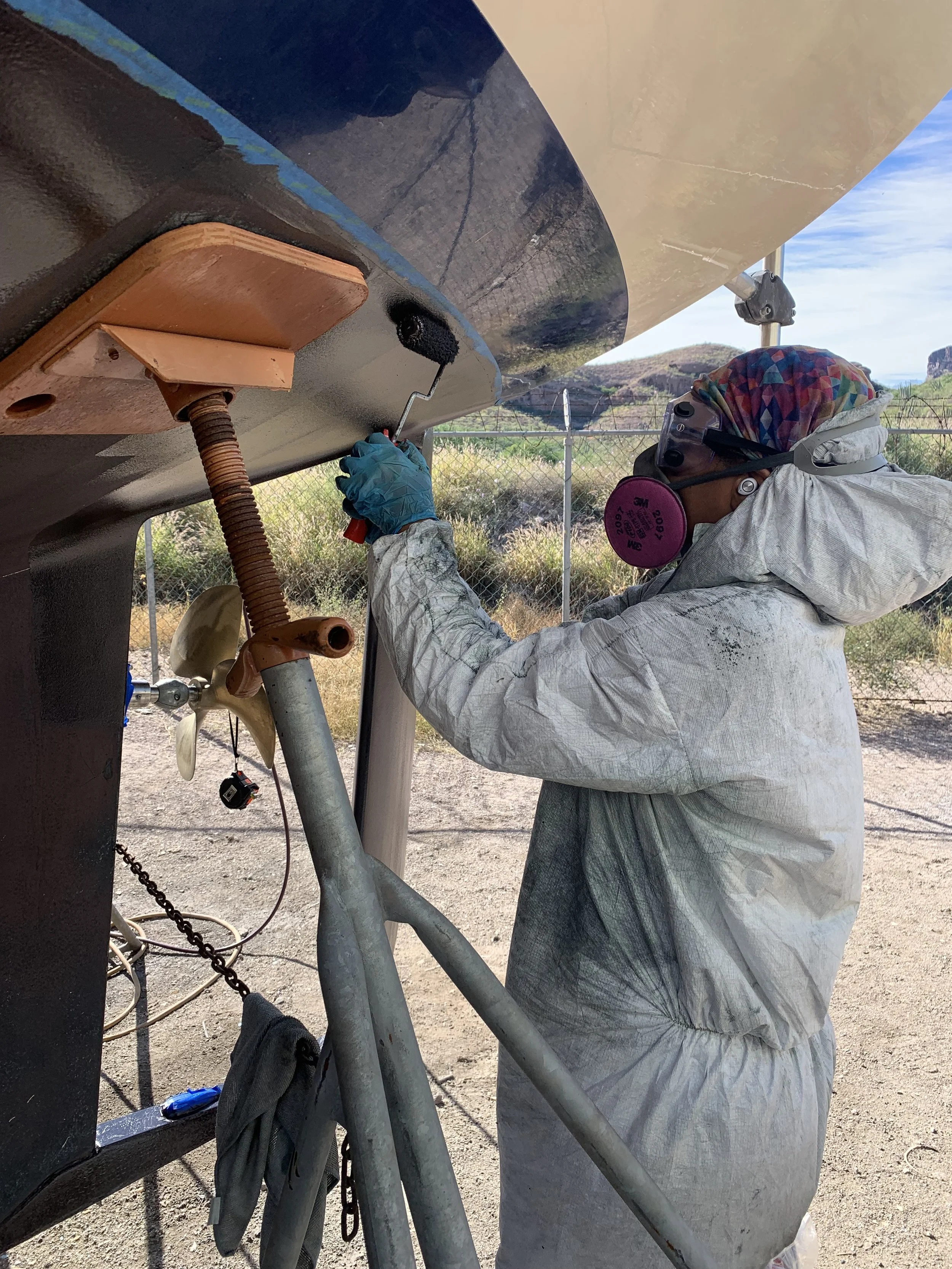
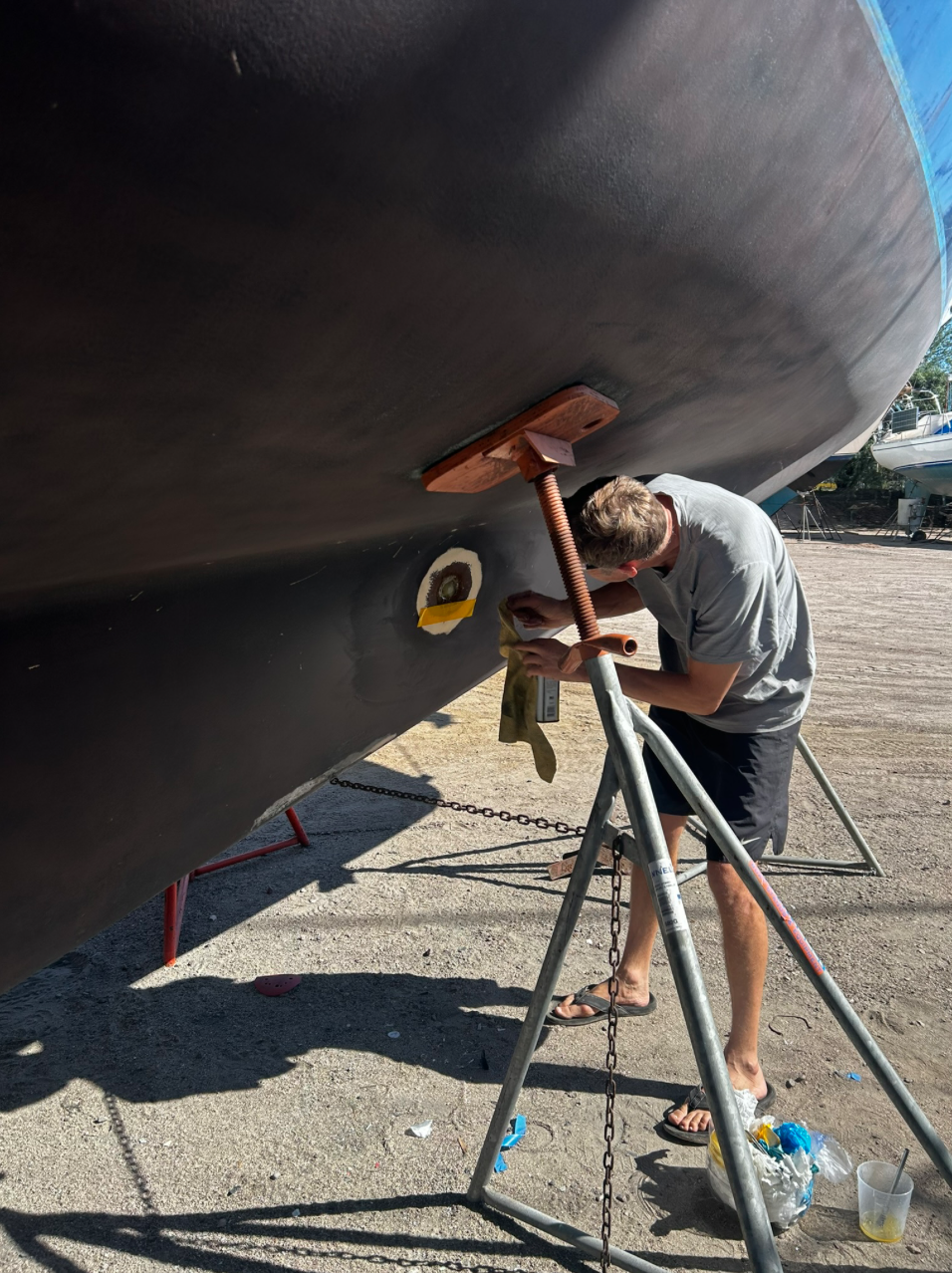
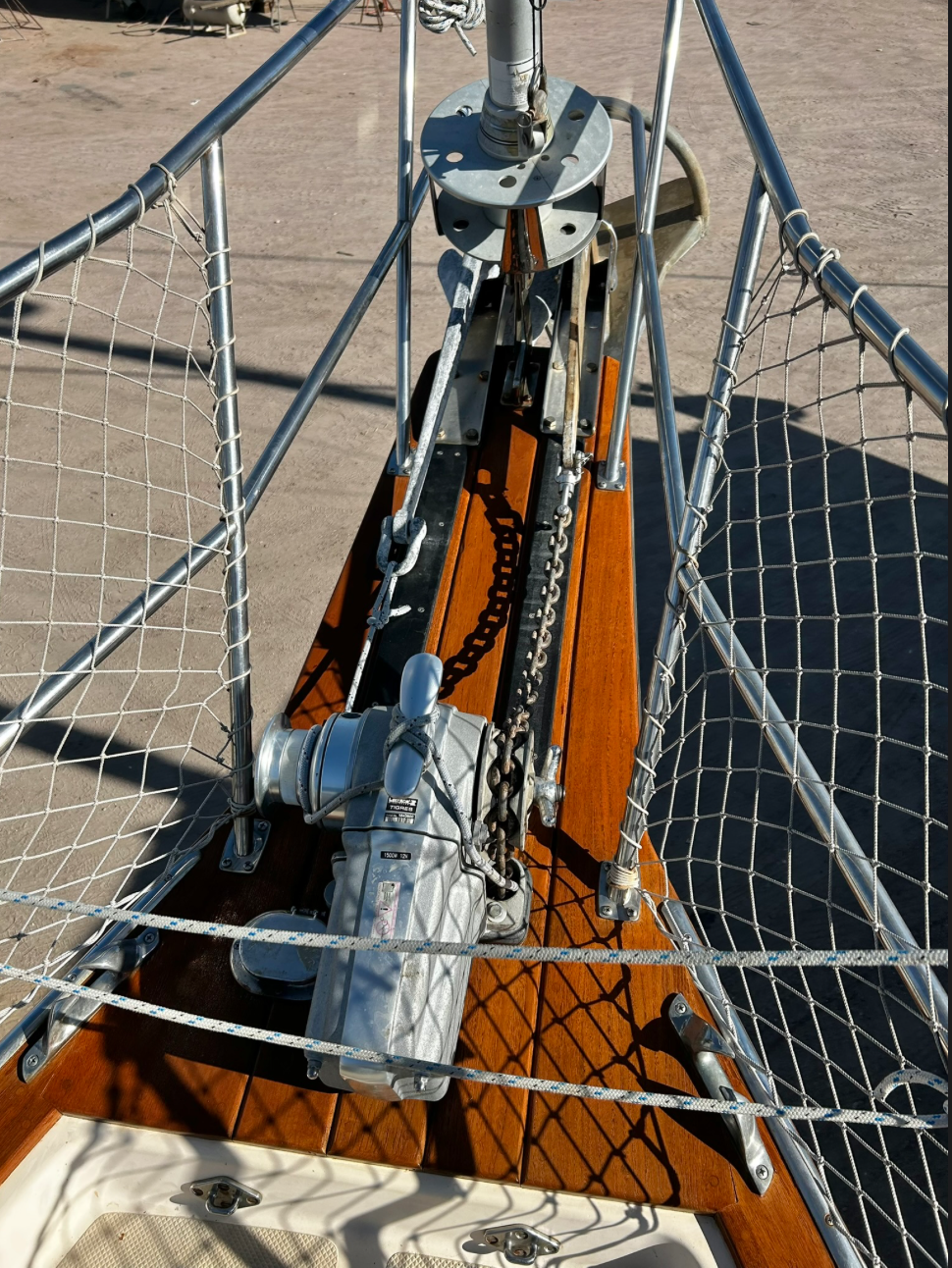
We didn’t stay at JJ’s this time since the temperature was tolerable. We hauled our gear and Desi up the ladder and set to work cleaning, unpacking, and putting the cabins back in order. For the next month, we lived “on the hard,” settling into a routine of work, shower, eat, sleep, and repeat. Desi learned to climb the ladder and looked forward to his evening beach walks. Karl worked at the computer all day, while I scraped, sanded, and painted the bottom of the boat, stripped, sanded, and sealed all the teak on deck, and cleaned, polished, and waxed the hull. We survived on tacos and quesadillas, minimizing dishes as much as possible. When Karl wasn’t working during the week, he was servicing the heat exchanger, installing a new transducer for the depth sounder and wind instruments, replacing the raw water strainer, and patching a leak in the keel. The work day ended when the sun got low in the sky, and the mosquitoes swarmed so thick that all activity ceased in the boat yard.
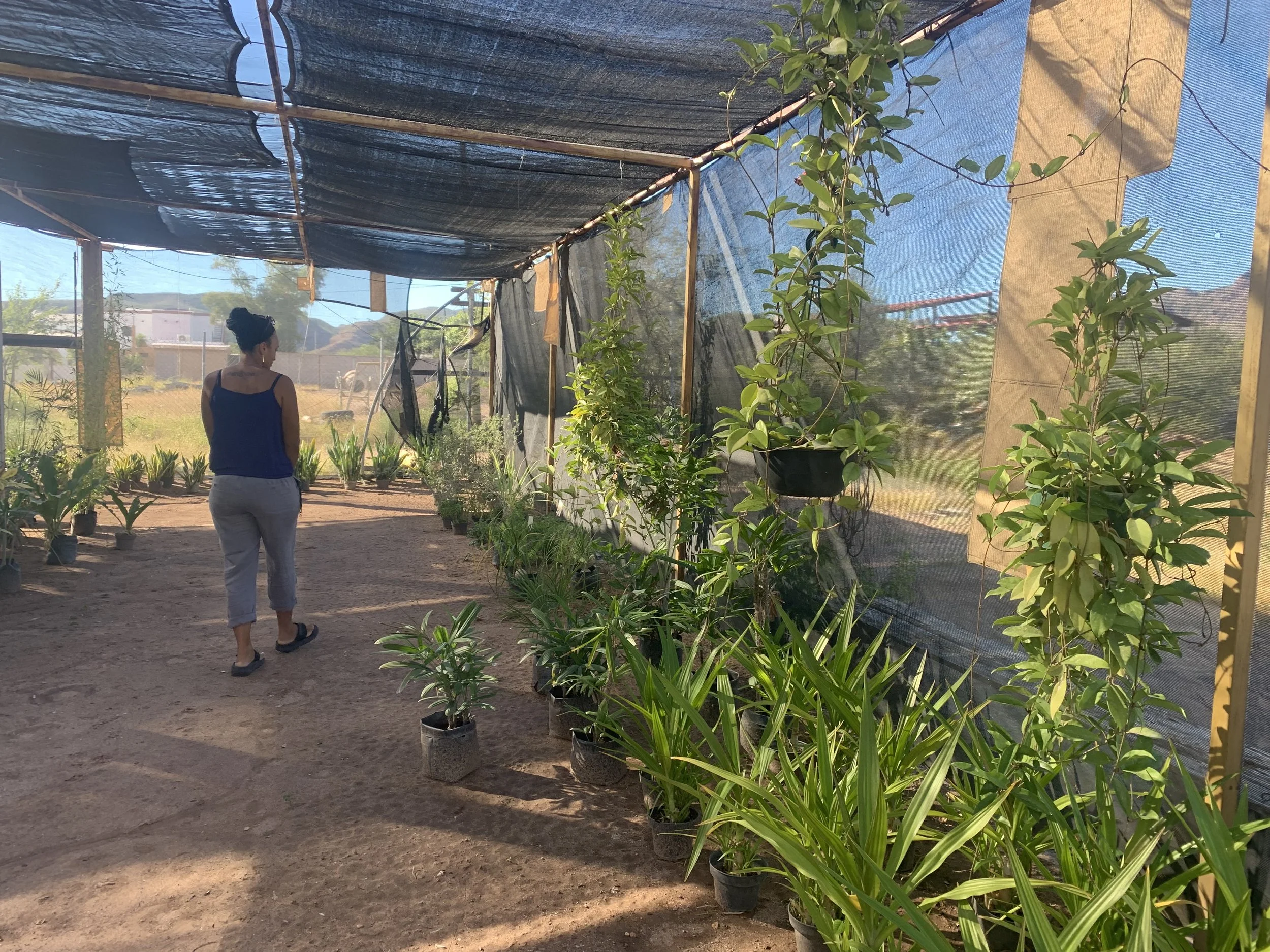
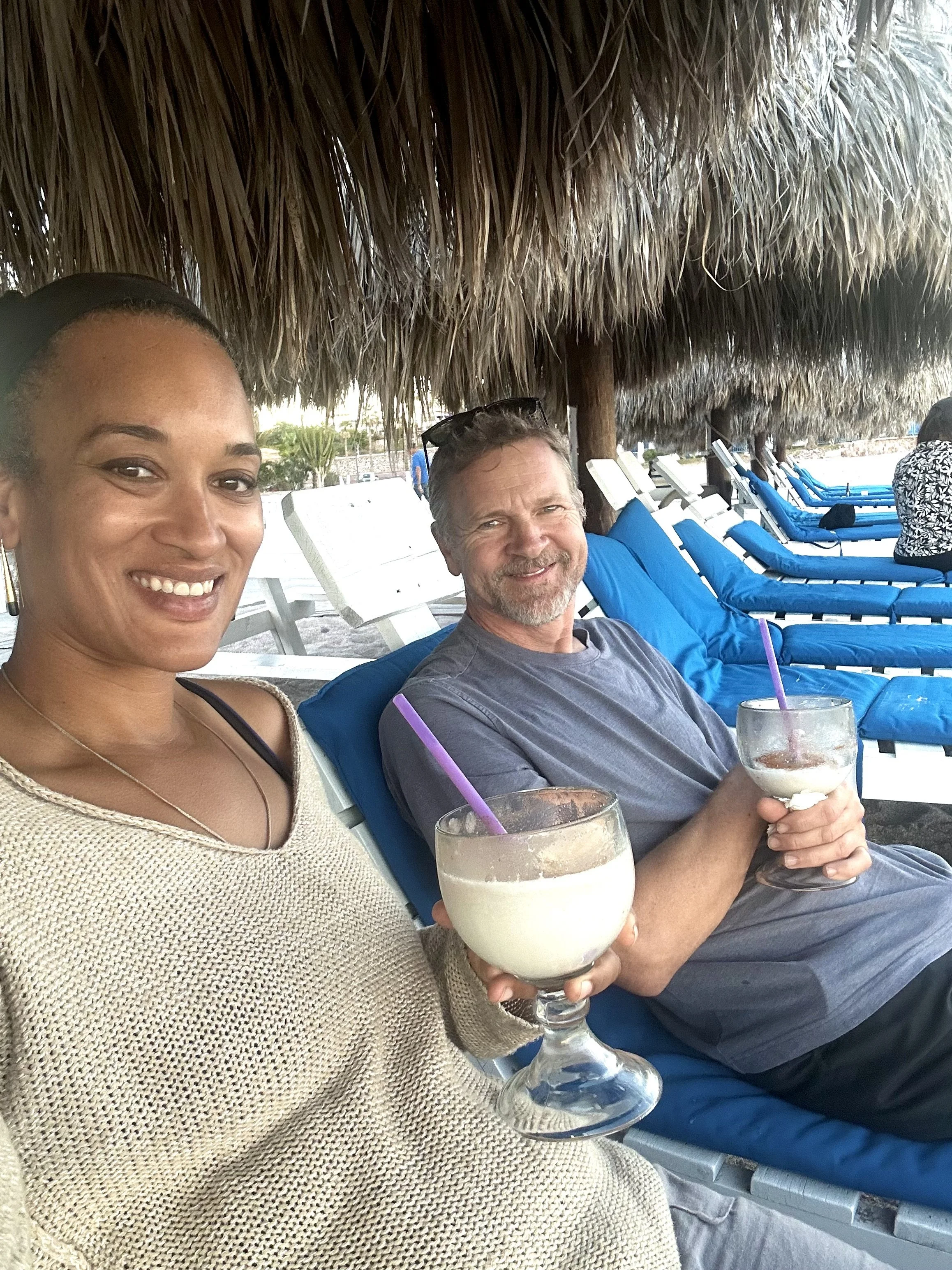
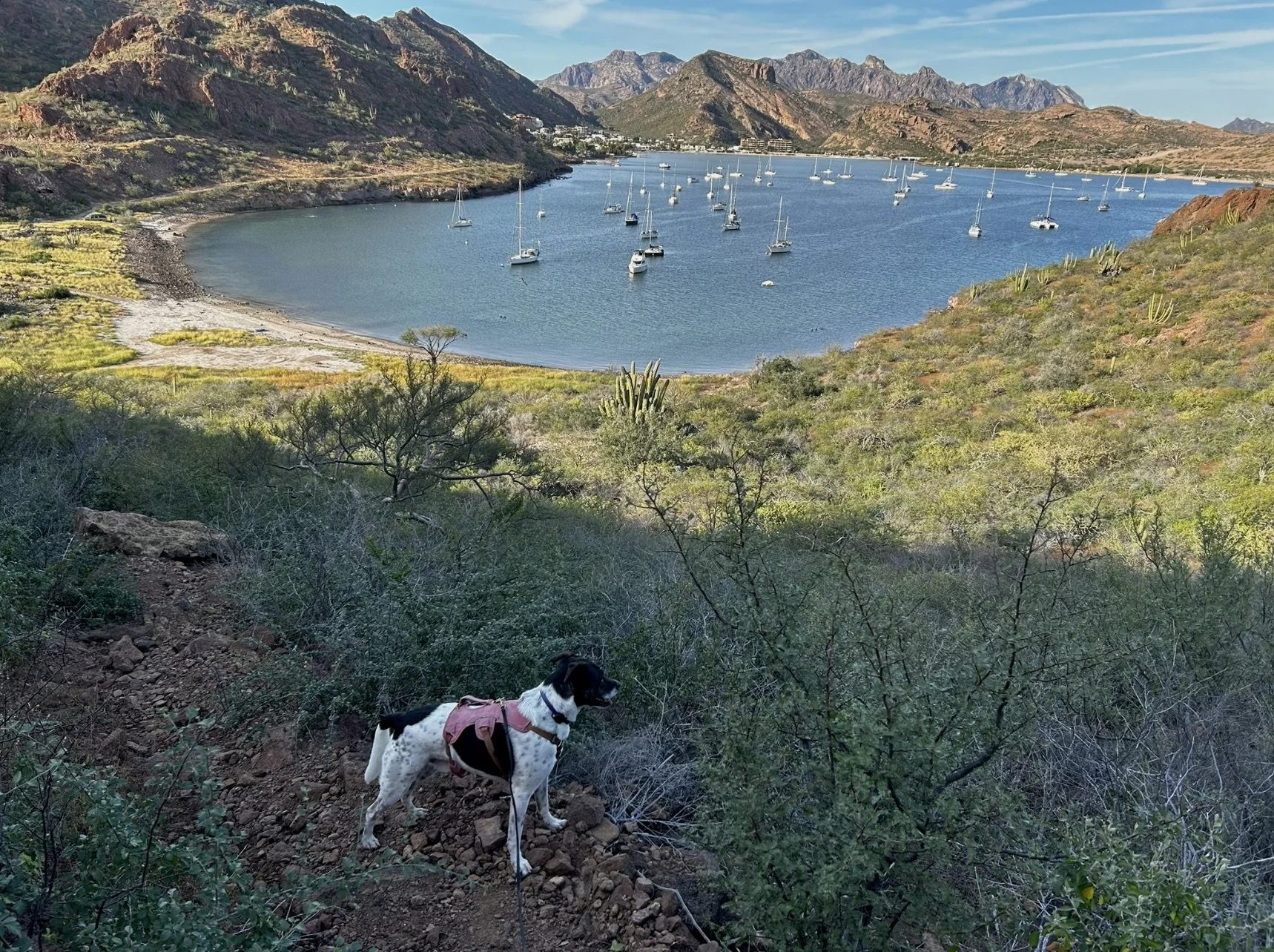
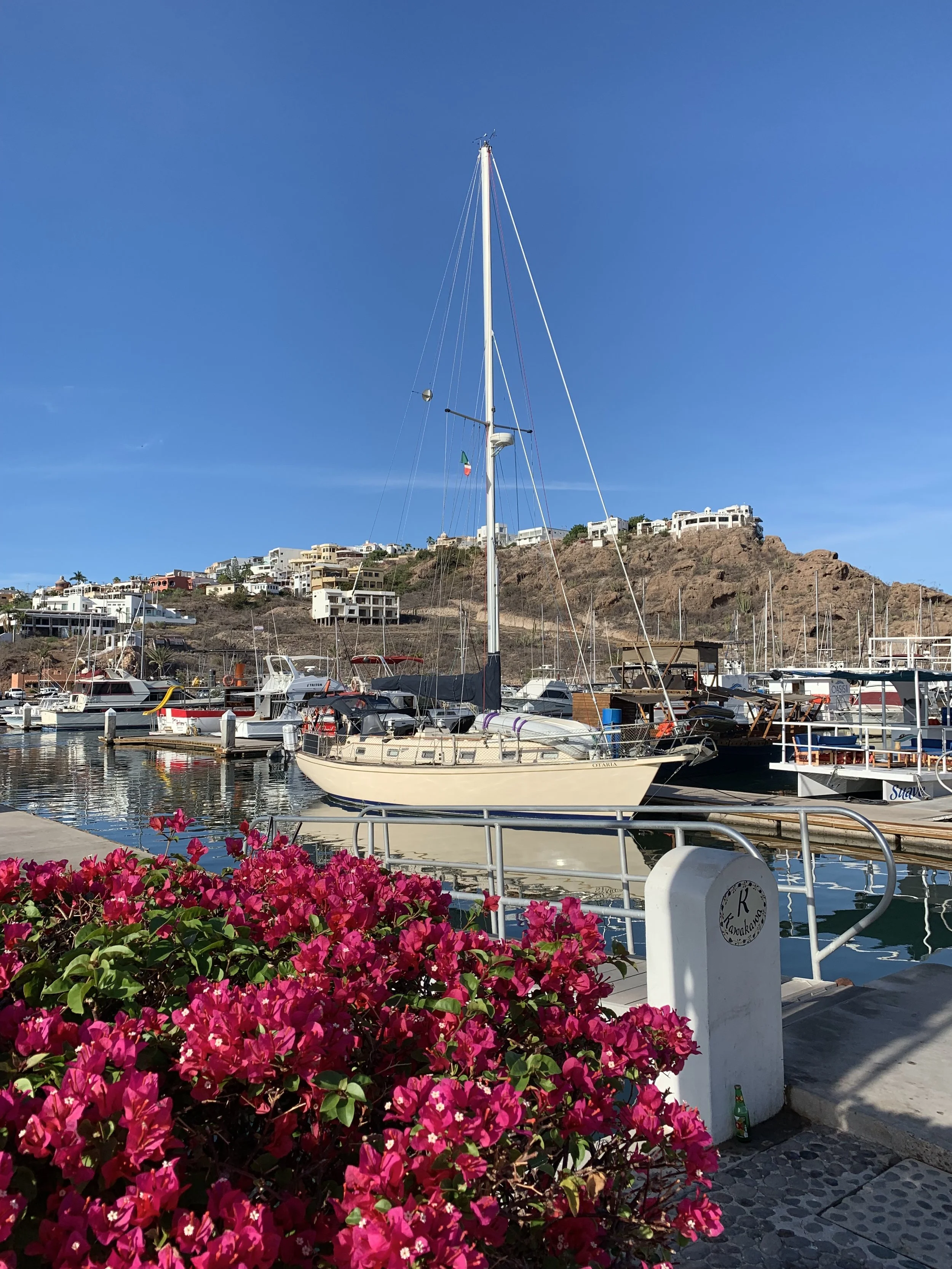
When splash day finally arrived, we once again watched our home travel through town to the boat launch in the marina. Otaria was eased into the water and secured to the dock, where we ran the engine and checked for leaks before casting off and making our way out to the anchorage. We were elated to have our home shipshape and back in the water, in the beautiful bay of San Carlos, with a cool breeze warding off the mosquitoes that had tormented us for weeks in the boatyard. We celebrated my birthday with a well-earned day off from boat work, taking a trip to a plant nursery, where the kind owner, Carmelita, gave us a tour of her home and gardens, where she had lived since before there were even roads in the area. Later, we enjoyed pina coladas on the beach and a nice dinner out. A few days later, Karl flew back to the States to spend Thanksgiving with his family, and I enjoyed a quiet week aboard with Desi, finishing up some projects, paddleboarding, hiking, and planning for our second sailing season in Mexico. When Karl returned, we stocked up and prepared for our next adventure: sailing south down Mexico’s mainland to Banderas Bay.