Pacific Mexico Mainland
December 5th - January 21st, 2026
It had been six months since we crossed the Sea of Cortez to San Carlos, and after a busy summer in the States and a month of grueling boat work, we were ready to hoist the sails and kick off our second season of sailing in Mexico. We planned to sail south to Banderas Bay, where we would spend a few months exploring the area with visiting friends. Banderas Bay is south of San Carlos on the mainland, but the most common route is to cross the Sea of Cortez and travel down Baja before crossing back to the mainland, typically to Mazatlán or destinations further south. This is because it is shallow for many miles out on this stretch of the mainland, leaving only a few accessible and safe ports. In contrast, the Baja side has an abundance of beautiful, well-protected anchorages. However, with Karl now working full-time, we would be traveling primarily on weekends, so we opted for the more direct mainland route, with our first stop planned for the town of Topolobampo, 200 miles south.
The weekend forecast looked good, and we planned our departure for Friday evening, December 5th. The moon rose bright that evening, illuminating the entire bay as we raised anchor and departed around nine p.m. As soon as we left the protection of the bay, it became clear that conditions were not as predicted. The waves were large and steep, and the inconsistent wind made it challenging to keep the sails full. Otaria rolled severely from side to side as we tried to balance keeping her at a comfortable angle to the waves with the need to get further from shore. I took the first watch, eventually deciding to turn up into the waves to gain distance from shore, resulting in a violent bashing that raised my pulse and had Karl feeling sick below. We tolerated the uncomfortable conditions until we were finally far enough from land to turn south once again. The next day was still uncomfortable, but less severe, and the second night brought good sailing wind. In the morning, a patrol boat came out and photographed us as we navigated the long channel and made our way into protected waters, relieved to be free from the constant motion.
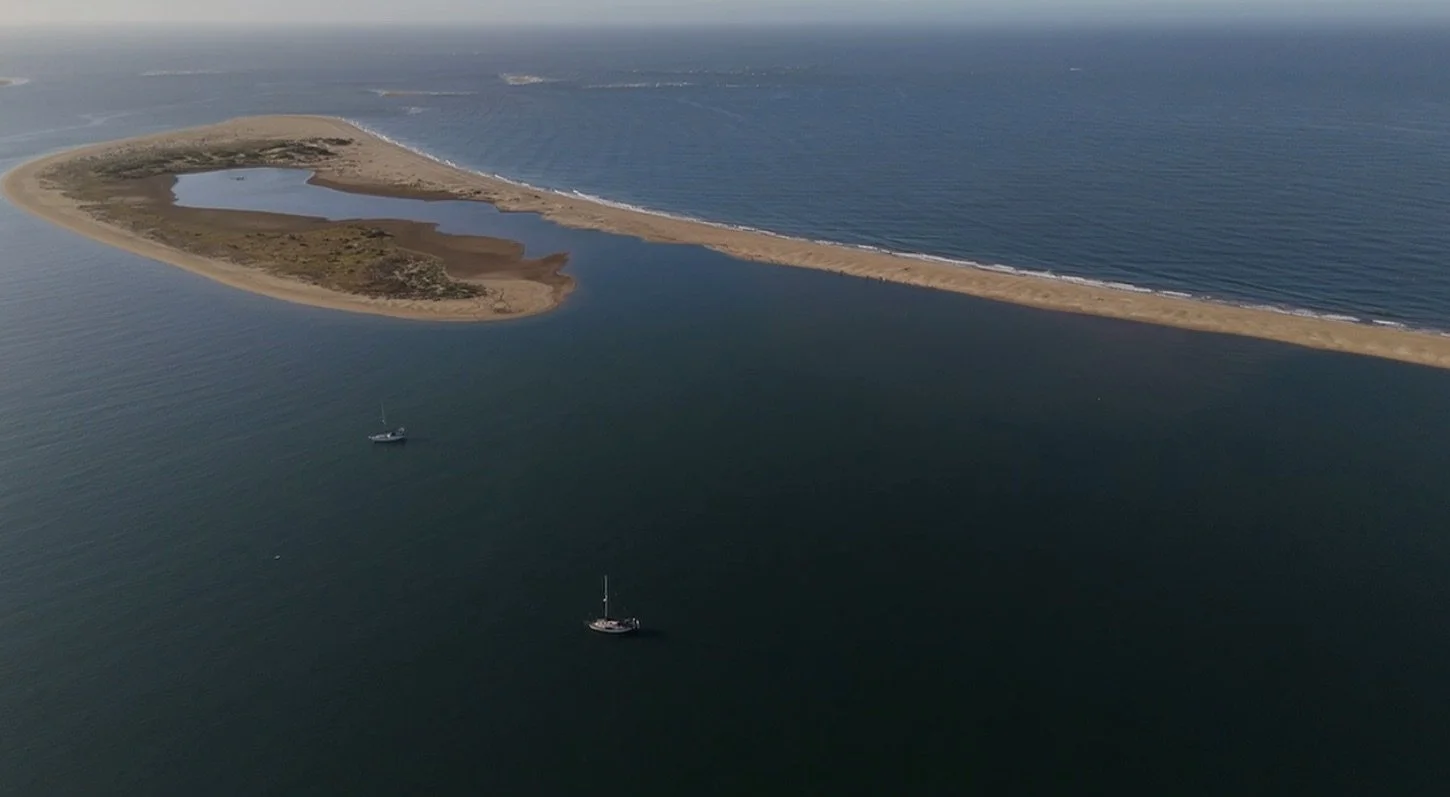
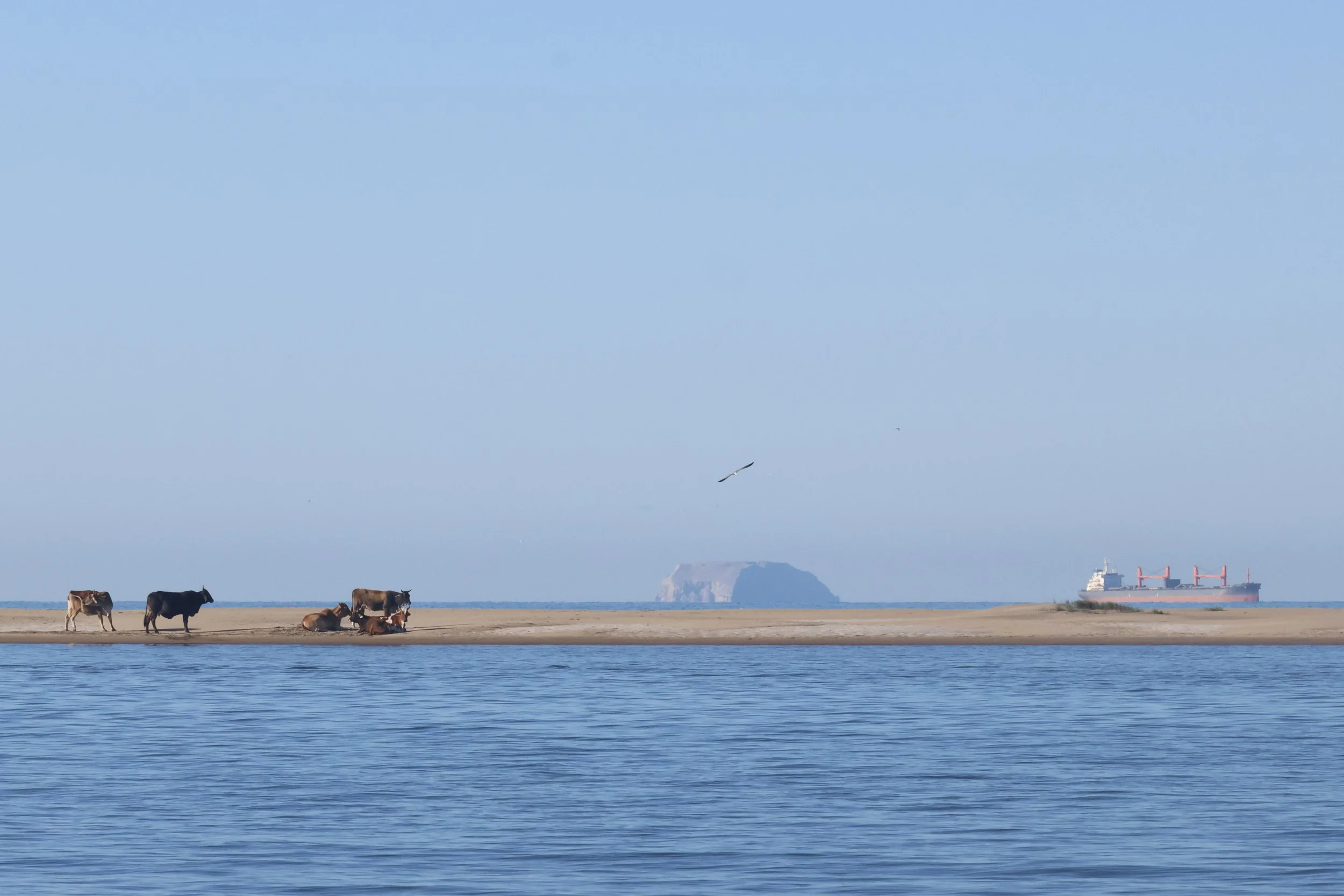
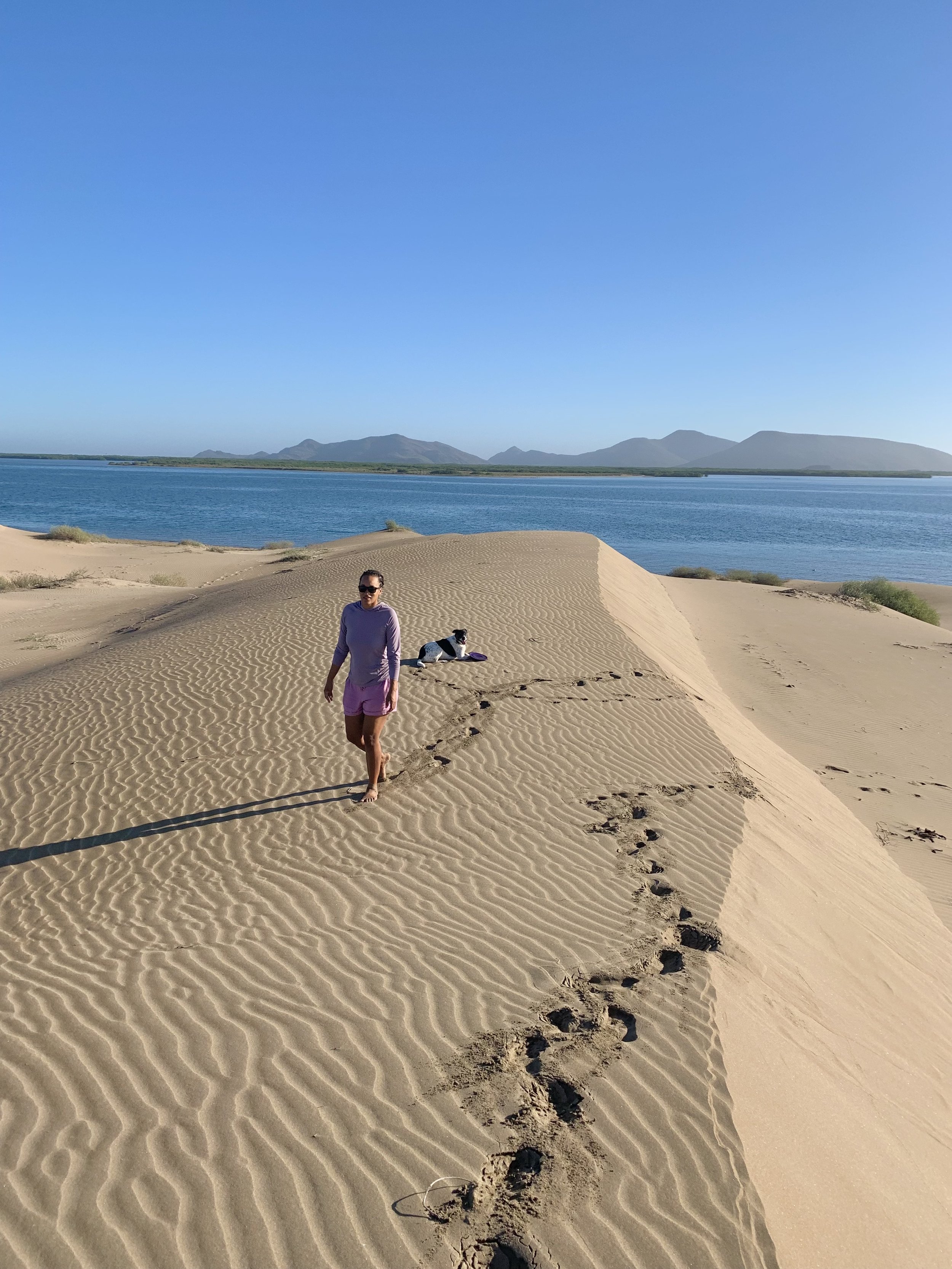
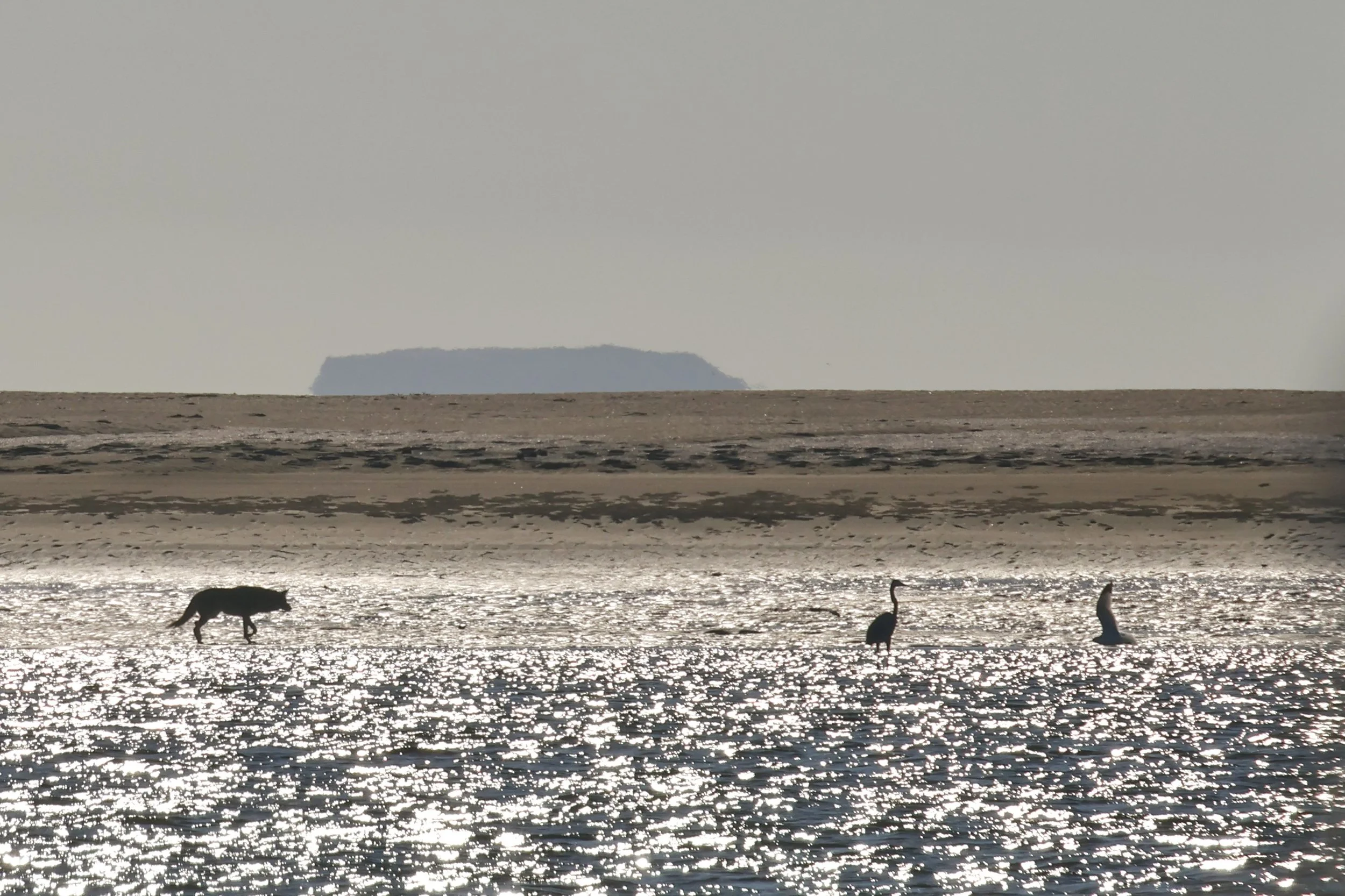
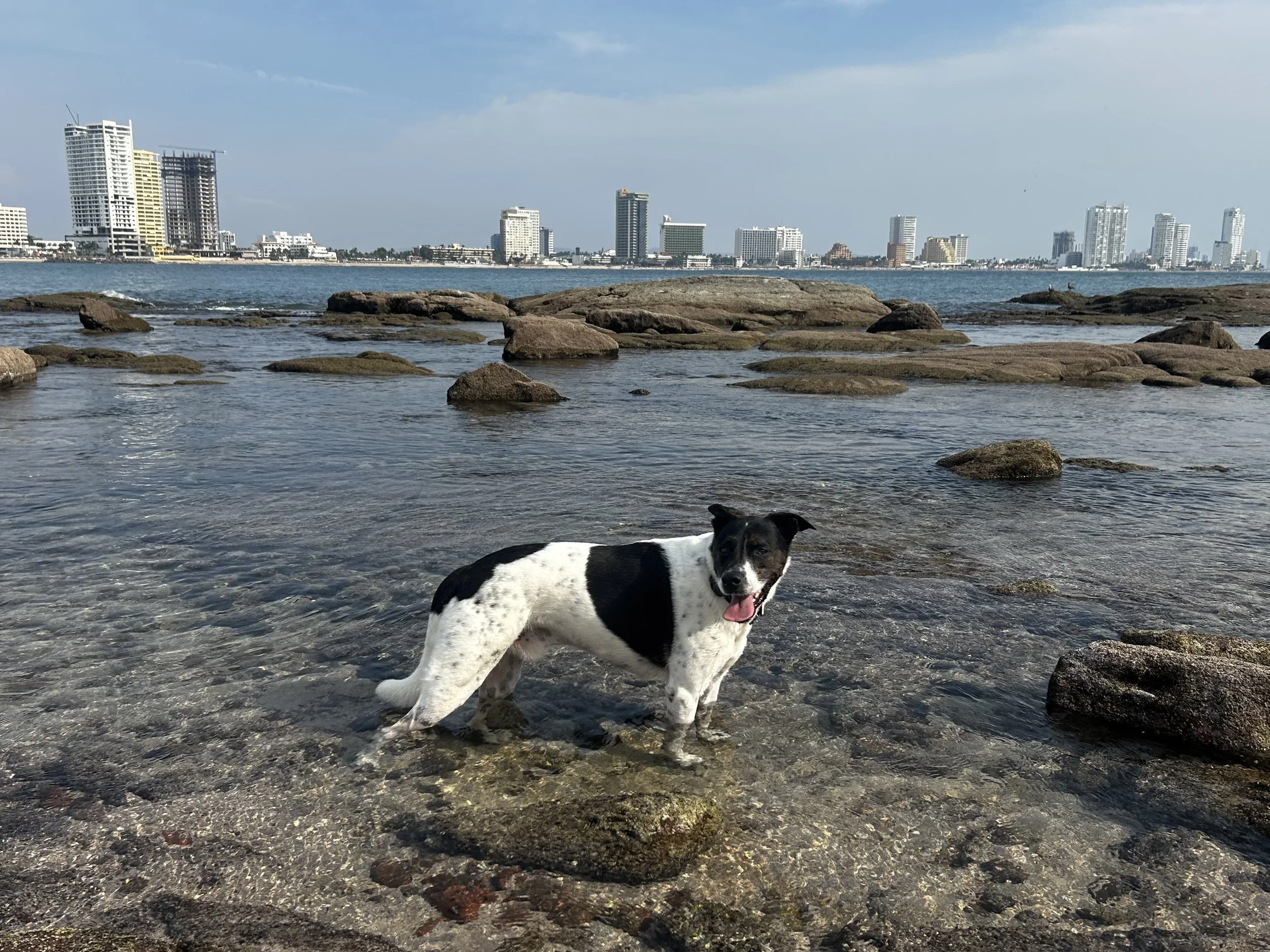
Topolobampo has a marina and a small anchorage near town, but since we were stocked on provisions, we opted to anchor just inside the low sand island of Santa Maria off the channel entrance. This turned out to be an excellent decision. We had miles of beautiful beach all to ourselves, where Desi could run freely, with the open ocean on one side and calm, protected water on the other. A sailboat anchored near us for a couple of days, and the nice couple invited us over for dinner and a fun evening swapping stories. We relished the remoteness of the area after so many months living on land and in the busy San Carlos anchorage. At sunset each day, a herd of cows could be seen trekking across the long beach, stopping to graze, or often lying down to rest for hours. As I walked the beach one day, I puzzled over dog-like footprints in a single straight line, discovering the culprit later when we witnessed coyotes roaming along the water’s edge.
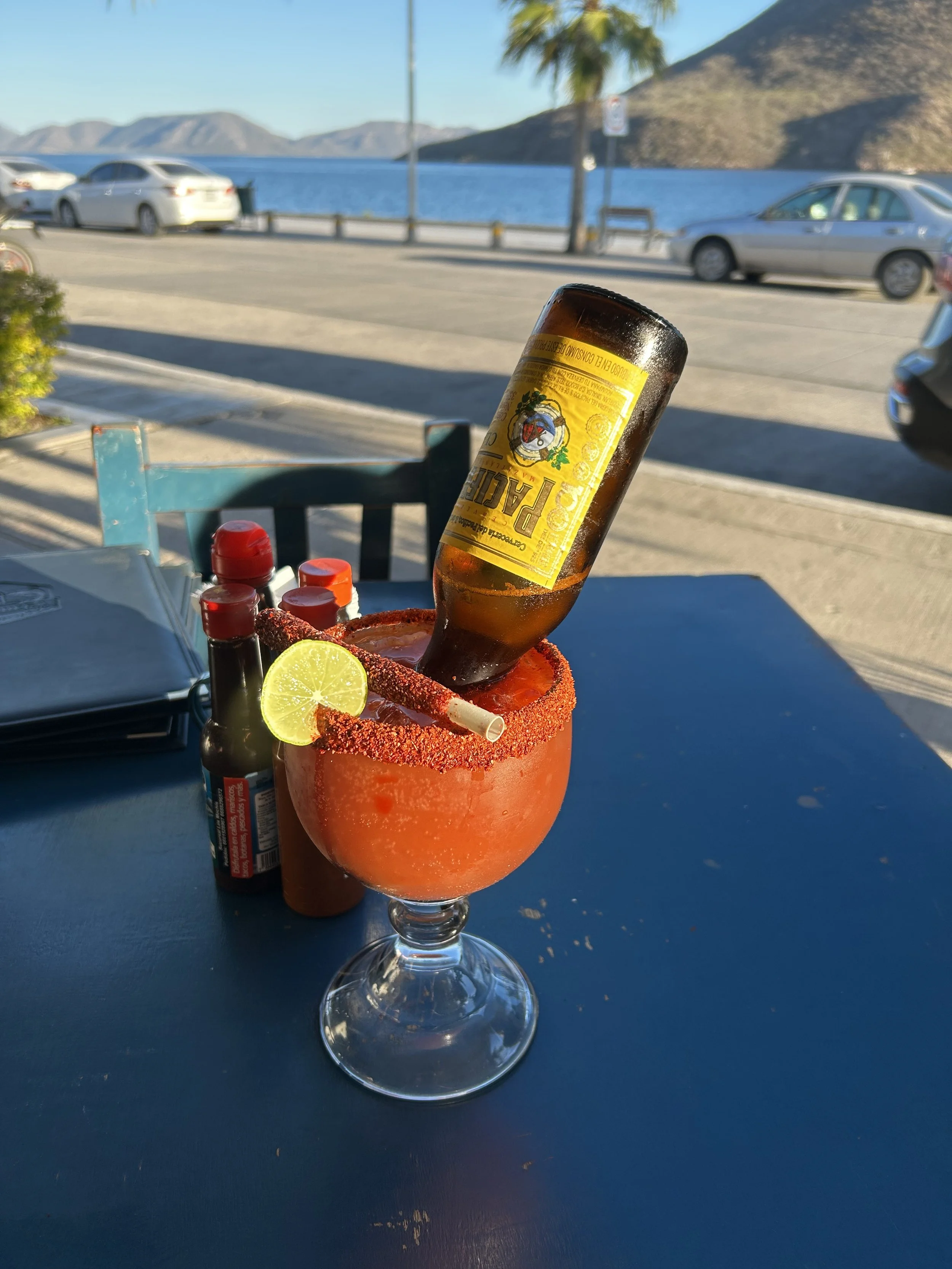
On the weekend, we took the boat eight miles up the channel to the marina in town. Topolobampo is a small town, fairly untouched by tourism, and we turned some heads as we explored. The marina staff was very helpful, and we took advantage of dock access to top off our water tank, rinse the boat, and do laundry. Territorial street dogs quickly ended our attempt to take Desi out, but after returning him to the boat, we took a nice walk around, ending with micheladas and tacos on the malecon. On Monday, we motored back to our quiet little anchorage, delighted to be escorted away from the marina by the resident dolphin “El Pechocho”, said to have resided in the area for decades.
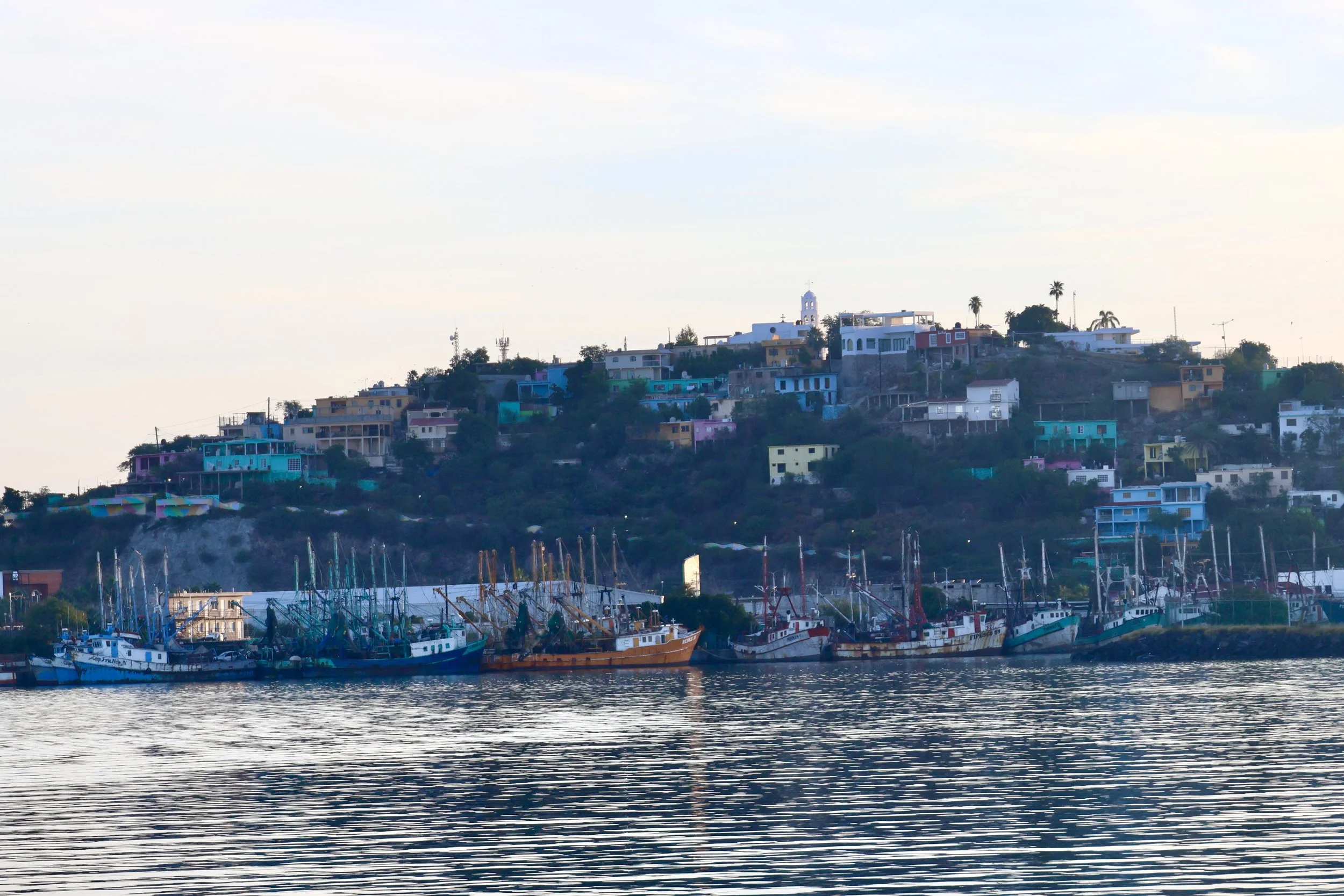
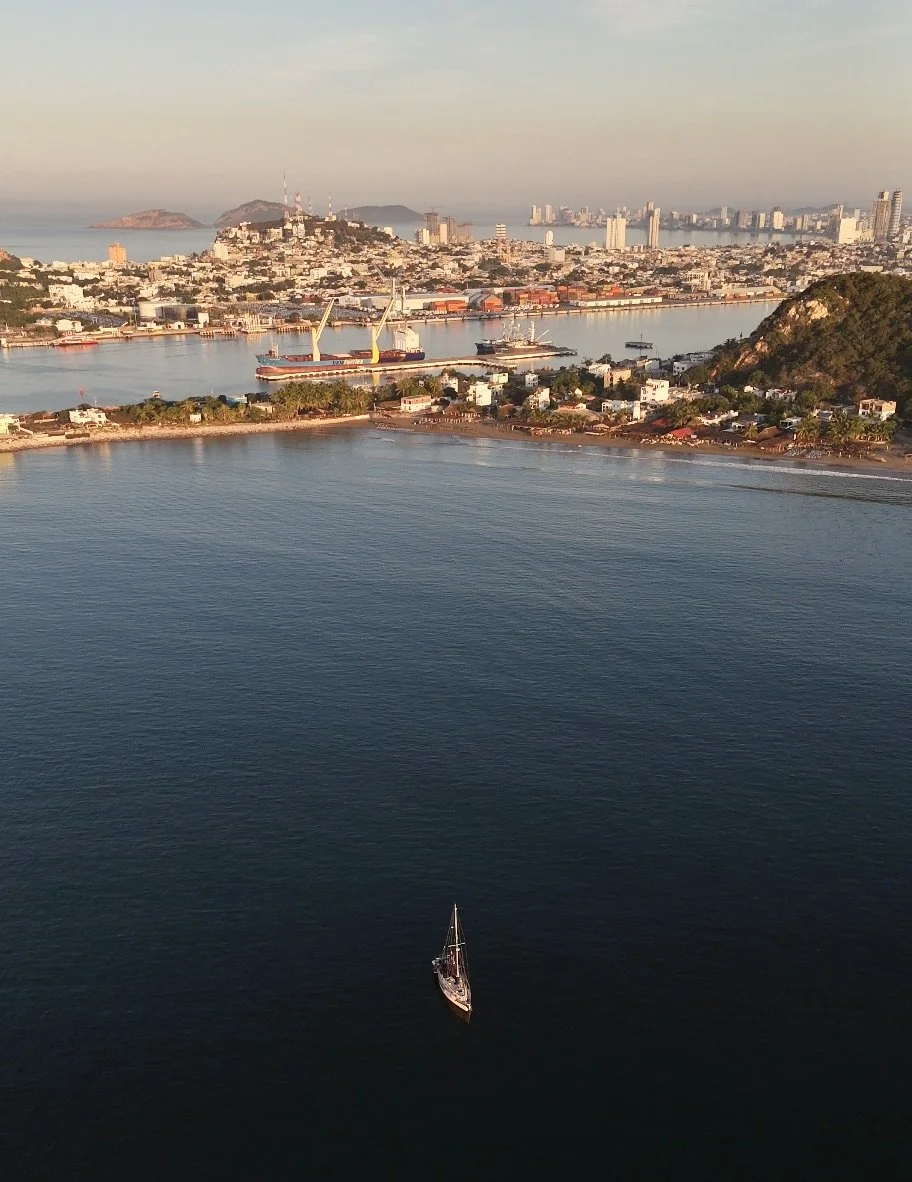
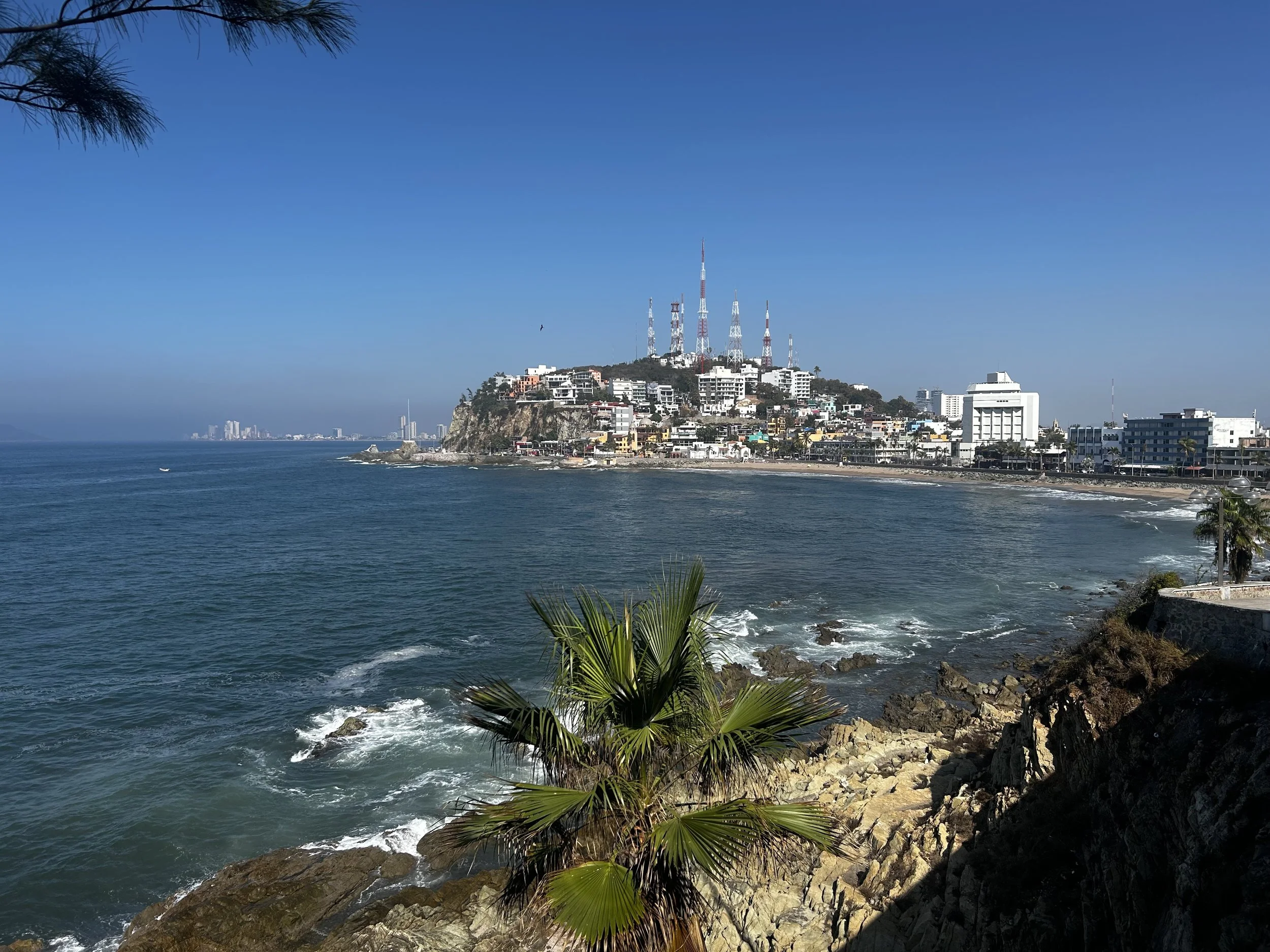
After another quiet week at anchor, we departed on Friday afternoon, Karl finishing up his workday while I navigated out the long channel and past clusters of fishing boats before raising the sails. The trip took 42 hours, and the seas were calm enough that we slept well, ate good meals, and enjoyed our time on watch, with beautiful sunsets and sunrises, and clear, starry night skies. Whales breached nearby, pods of dolphins swam at our bow, and we saw several stingrays fly from the water. Karl caught his first fish of the season, a large Crevalle Jack, enough to cook and freeze half for later. We arrived in Mazatlán on Sunday morning and anchored off Stone Island, a large anchorage outside the main harbor, and enjoyed a restful day after two long days at sea.
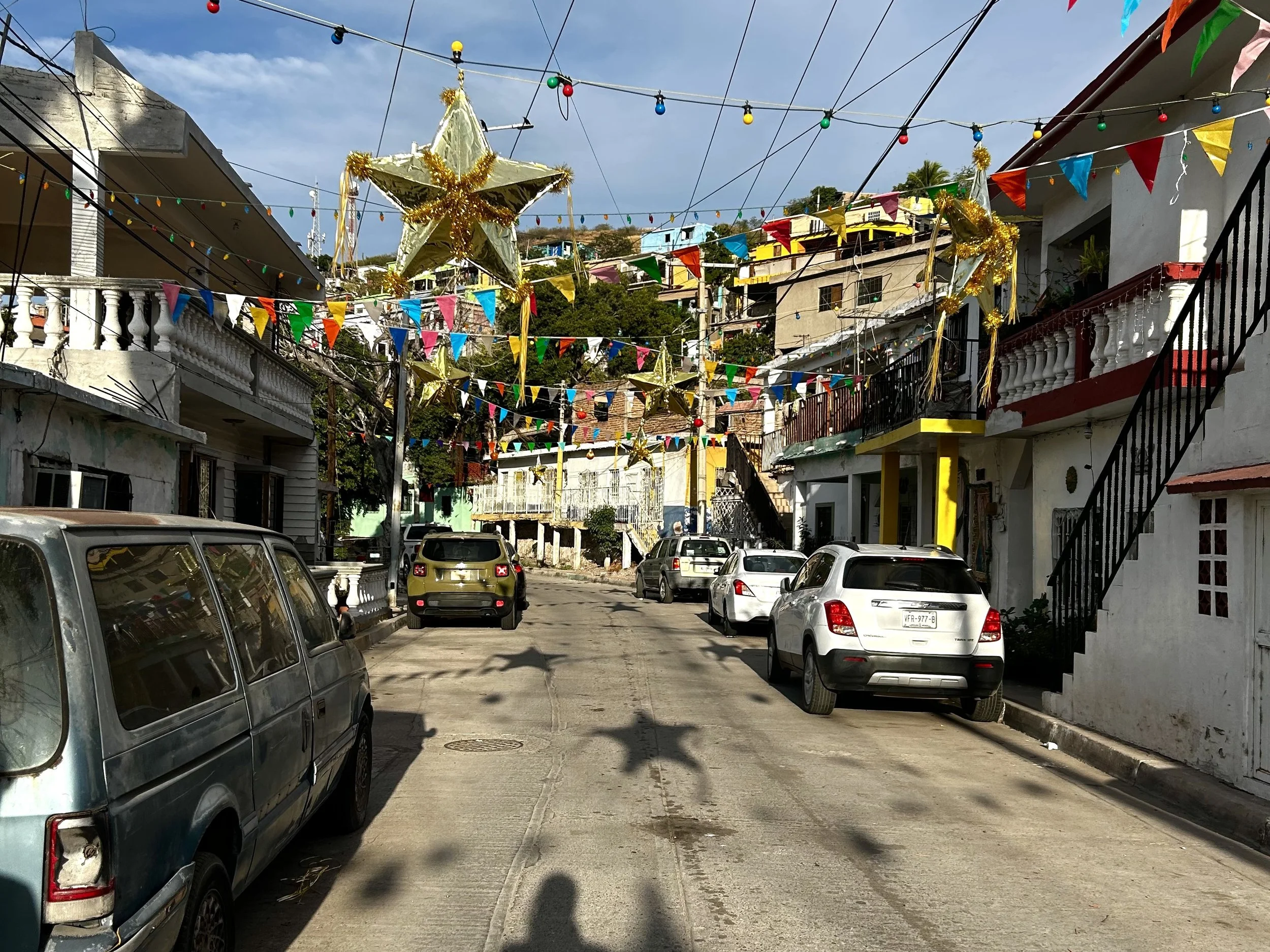
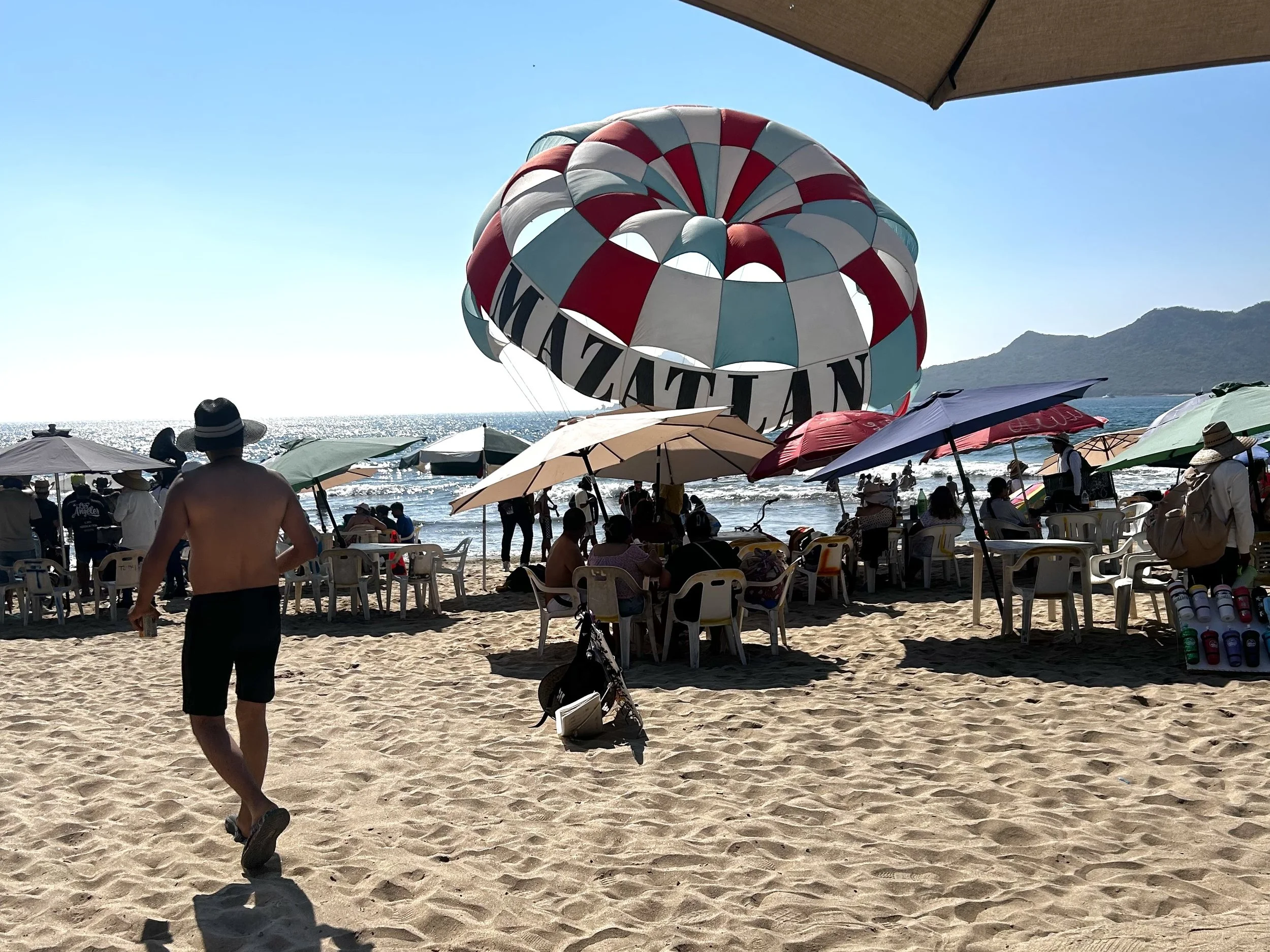
It was the week of Christmas, and we ventured into the city on Christmas Eve with plans to pick up a few gifts, but were quickly overwhelmed by the packed streets and markets. Abandoning our shopping goals, we spent the day taking in the sights in Old Mazatlán, people-watching, eating seafood on the malecon, and picking up groceries to get us through the holiday. It can be tough to make holidays feel special on the boat when it’s just us doing the same things we do most days: eating good food, playing games, reading, or watching movies. On Christmas, we were missing our families, but made the best of the day with a nice trip to shore, tacos and pina coladas on the beach, and later spent time connecting with loved ones over the phone.
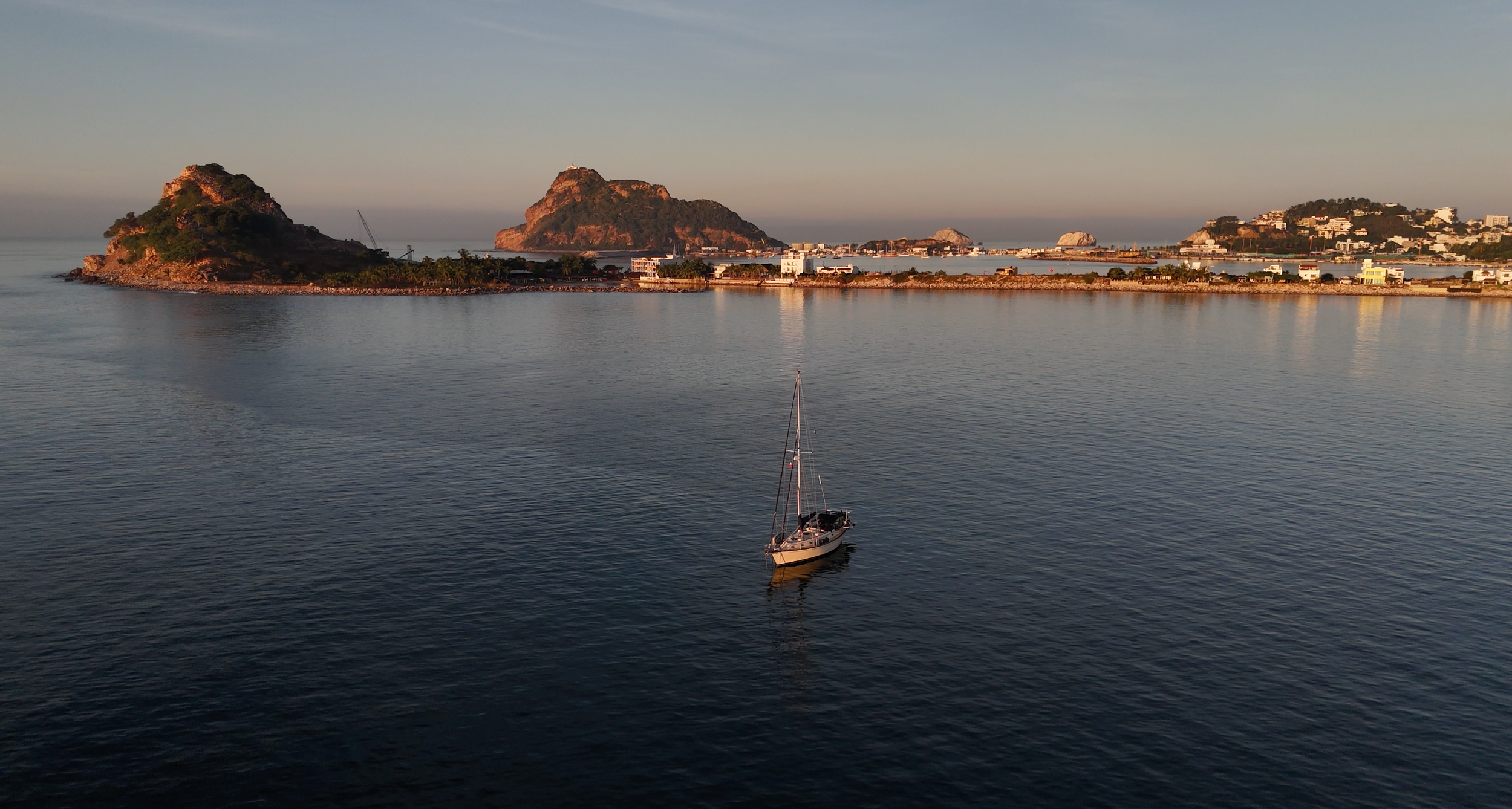
On our next trip into town, we explored the Golden Zone, a more touristy area of Mazatlán, with classic tourist shops and packed beaches. The people-watching was fun, and we found a few unique shops and galleries with beautiful handmade items. Taking advantage of the long weekend, we decided to visit the islands just west of the city, sailing first to Isla de Venados, the larger of the two islands. When we arrived, there were a handful of tourist boats anchored there, but as the day progressed, it became increasingly chaotic. The number of boats multiplied, music blasted, jet skis zoomed around, and the beach was packed with people. We paddled to shore with Desi to stretch our legs, but quickly decided that one day there was enough. The next morning, we moved to the adjacent island, Isla de Pájaros, which was less protected from wind and swell, but also less frequented by the tourist boats. We spent two days anchored there, and it was nice to have the beach to ourselves except for an abundance of pelicans.
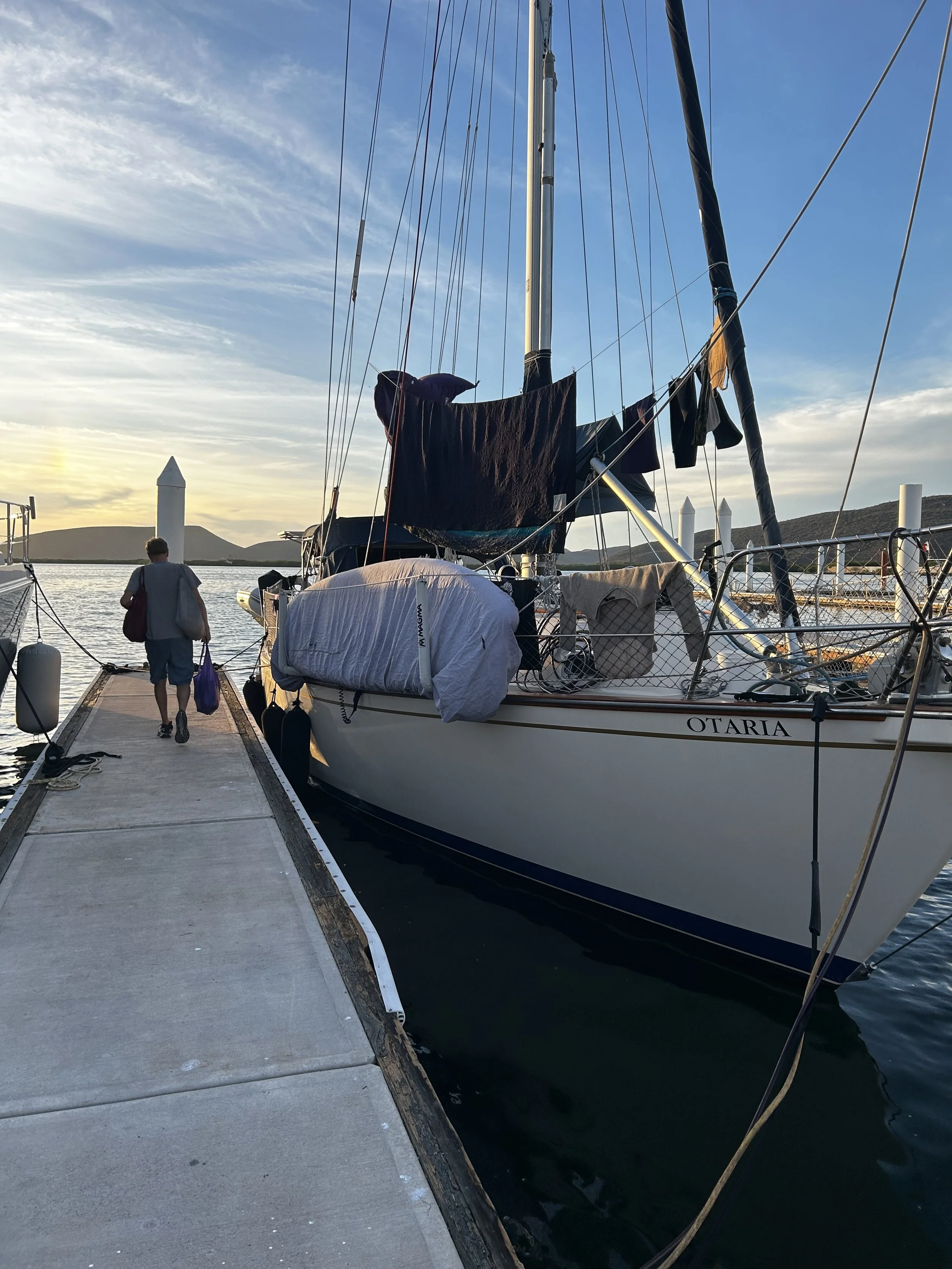
From Isla de Pájaros, we decided to move into a marina for a few nights. Taking the boat into Marina Mazatlán was tricky because the shallow entrance channel could be dangerous in a large swell, and was best timed with the high tide. We had a narrow window to enter, immediately after Karl got off work, while the tide was still high and the sky was still light. We were both nerve-wracked, with Karl at the helm as we surfed the rolling waves through the narrow entrance, with a stone breakwater and a dredge on one side, and rocky shallows on the other. But minutes later, we were in water as still as a lake, our nerves settled, and we motored calmly into our slip.
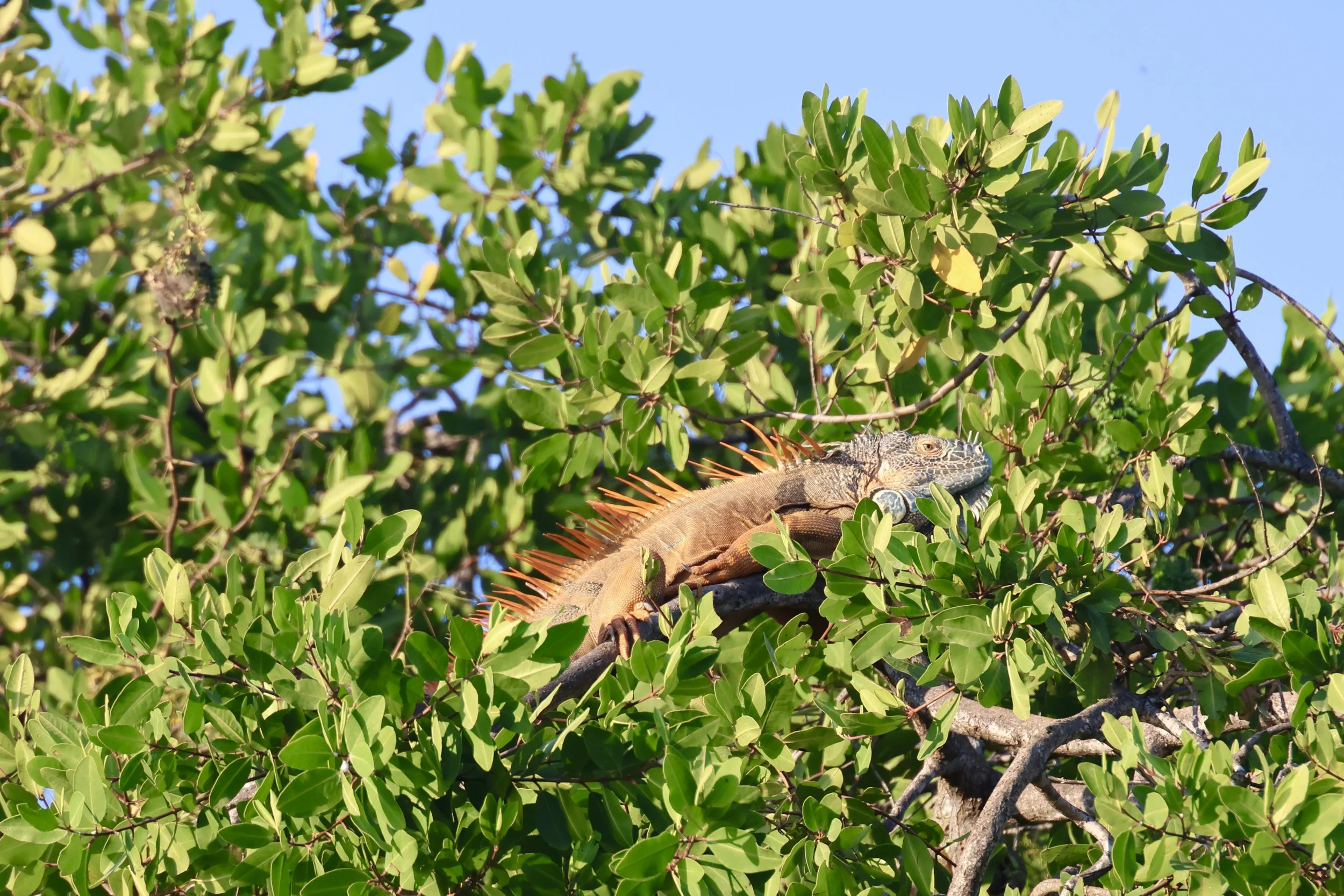
We spent three days in the marina, taking care of groceries, fuel, and laundry, and enjoying our first hot showers in weeks. We celebrated New Year’s with mimosas and a dinghy tour of the estuary, spotting iguanas and herons in the trees, and drifting past the large waterfront properties, with fish leaping around us. The next day, we departed the marina on the early morning high tide, dropping anchor back at Stone Island to finish out the workday before departing that evening for Isla Isabel.
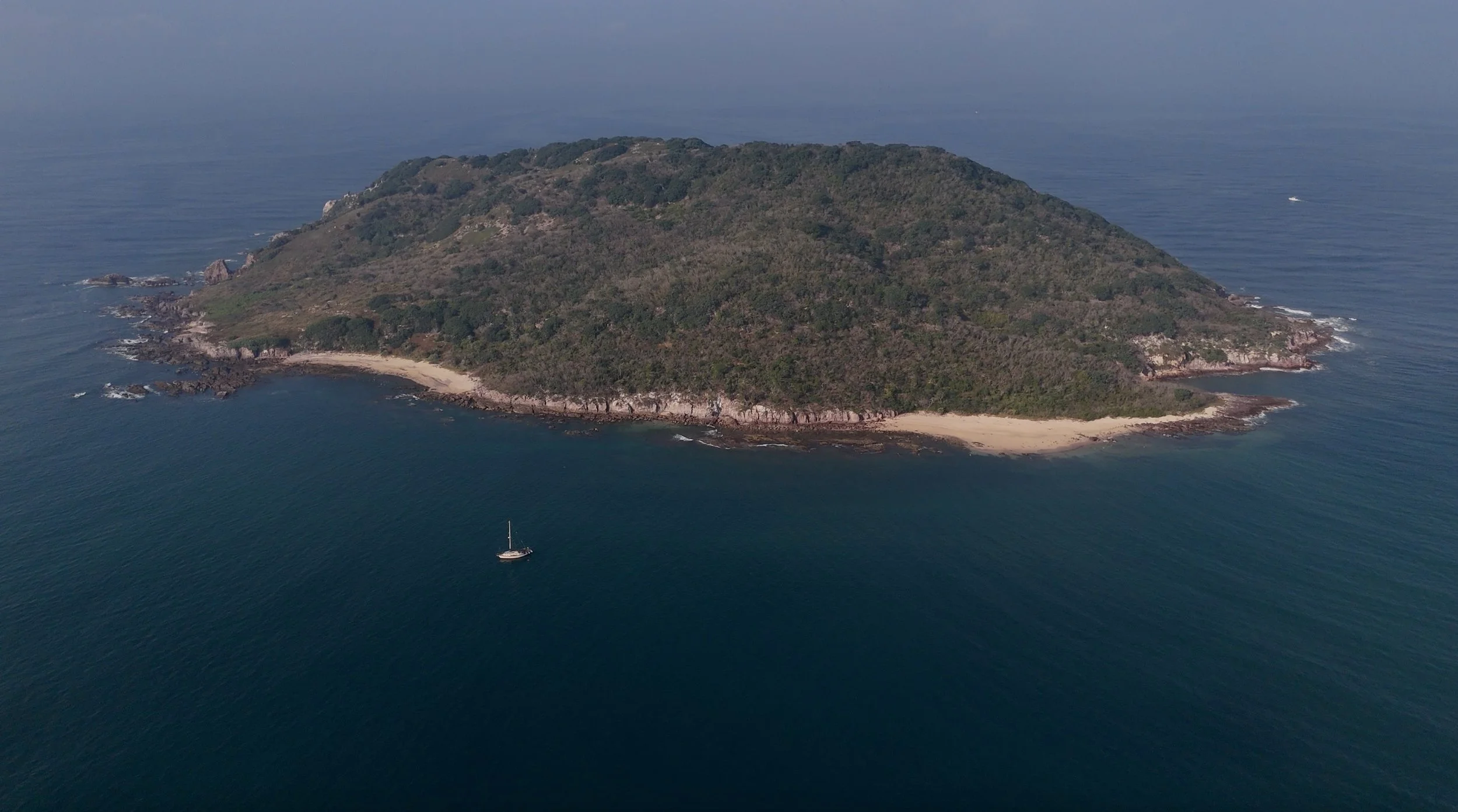
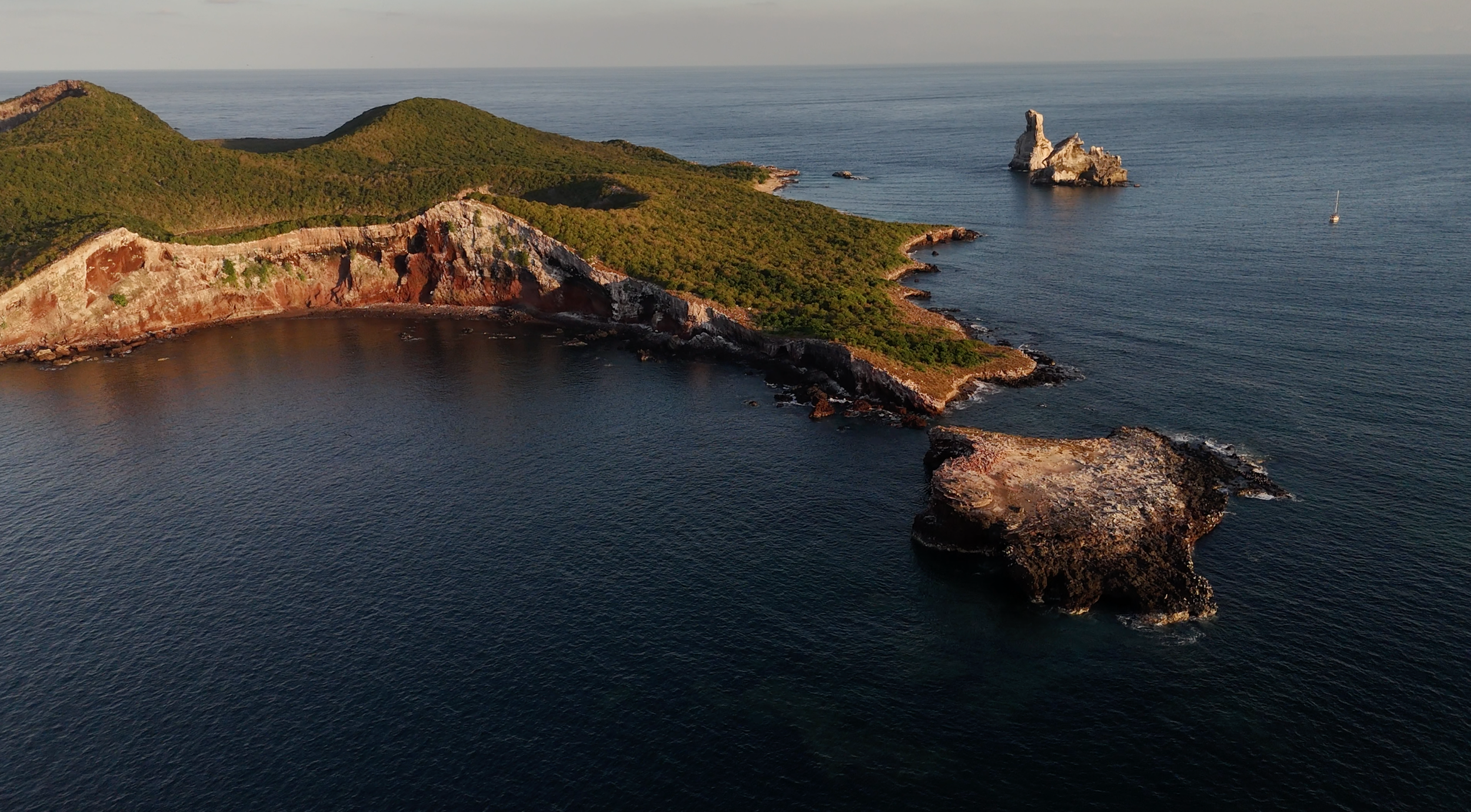
The sail to Isla Isabel was rolly and lacked the wind we’d anticipated, so we motored most of the 16-hour journey. A few whales, dolphins, and several sea turtles made appearances before our morning arrival at the eastern anchorage. The anchorage was a bit tricky, with a rocky bottom, and only a small patch of sand near two towering rock cliffs called Las Monas. The strong currents often opposed the wind, moving the boat in unpredictable directions, and we ended up re-anchoring half a dozen times during the week that we spent there.
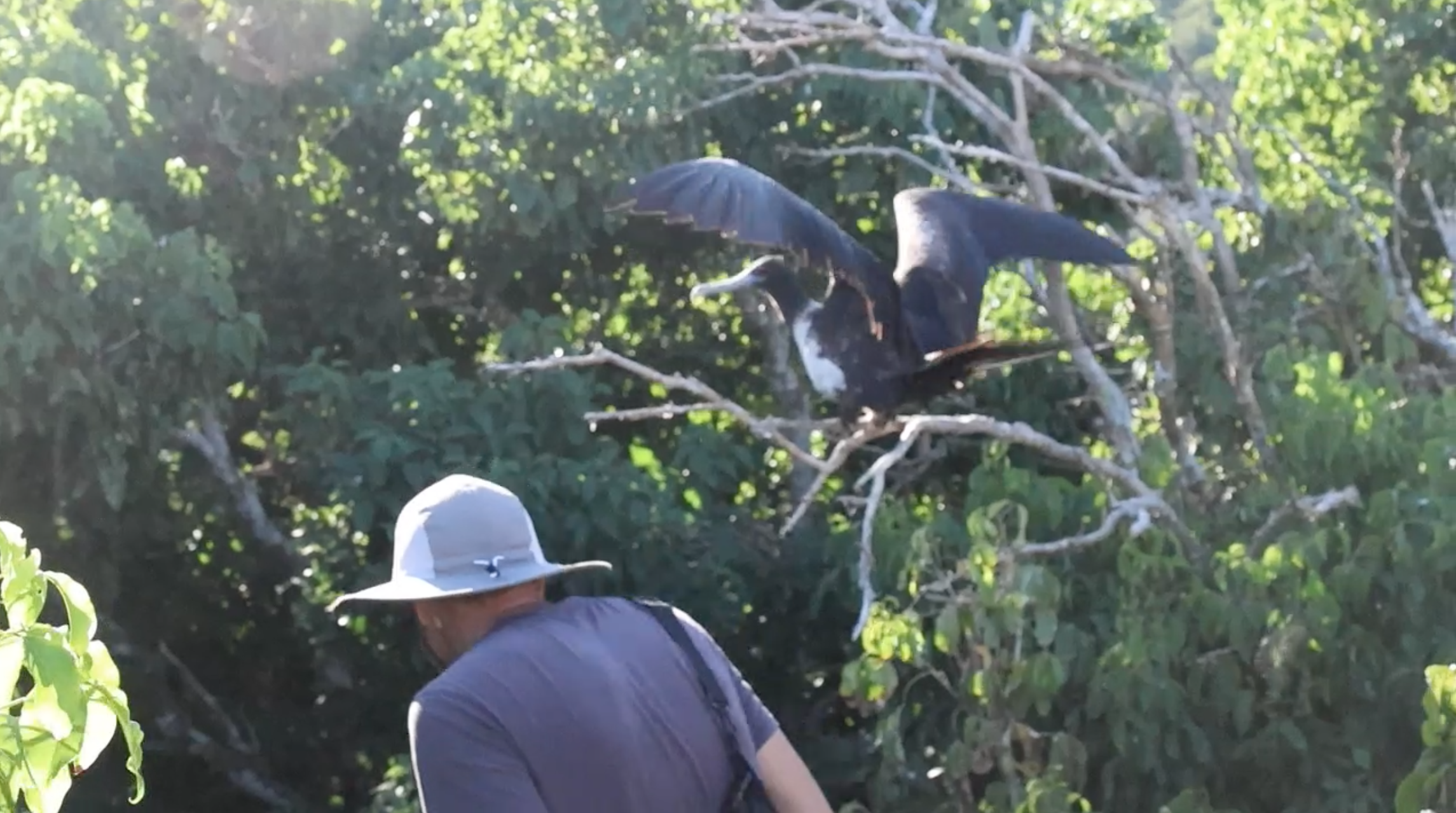
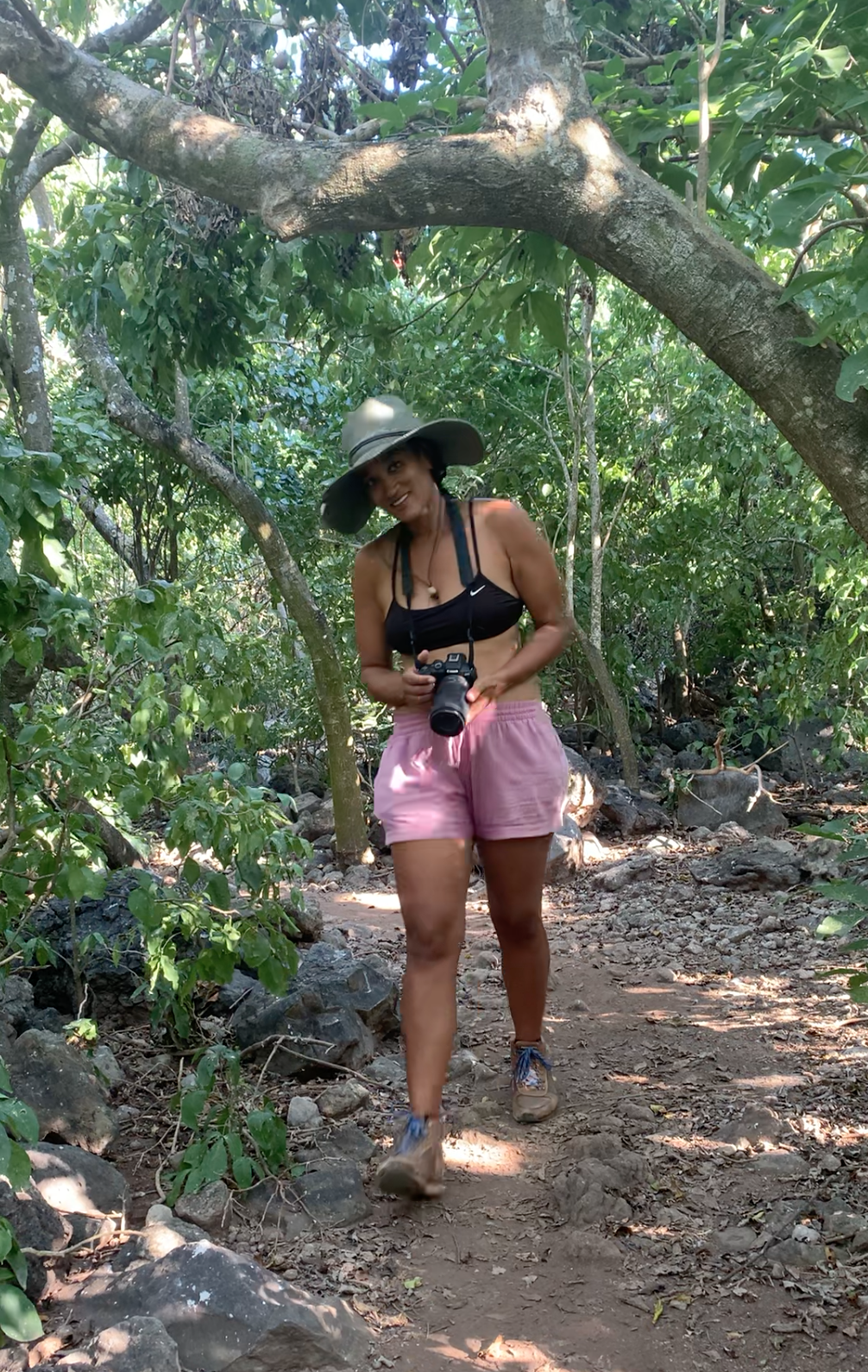
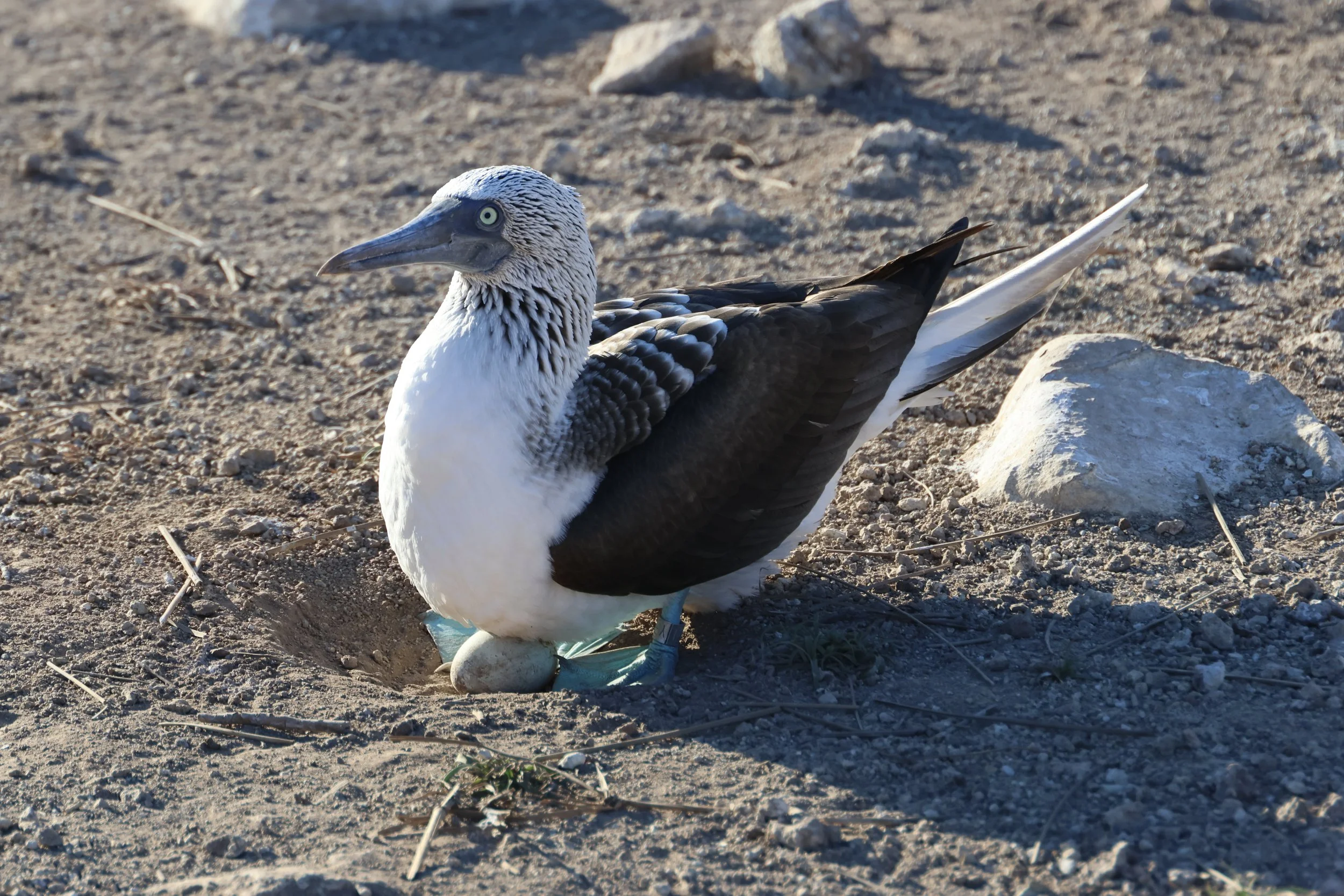
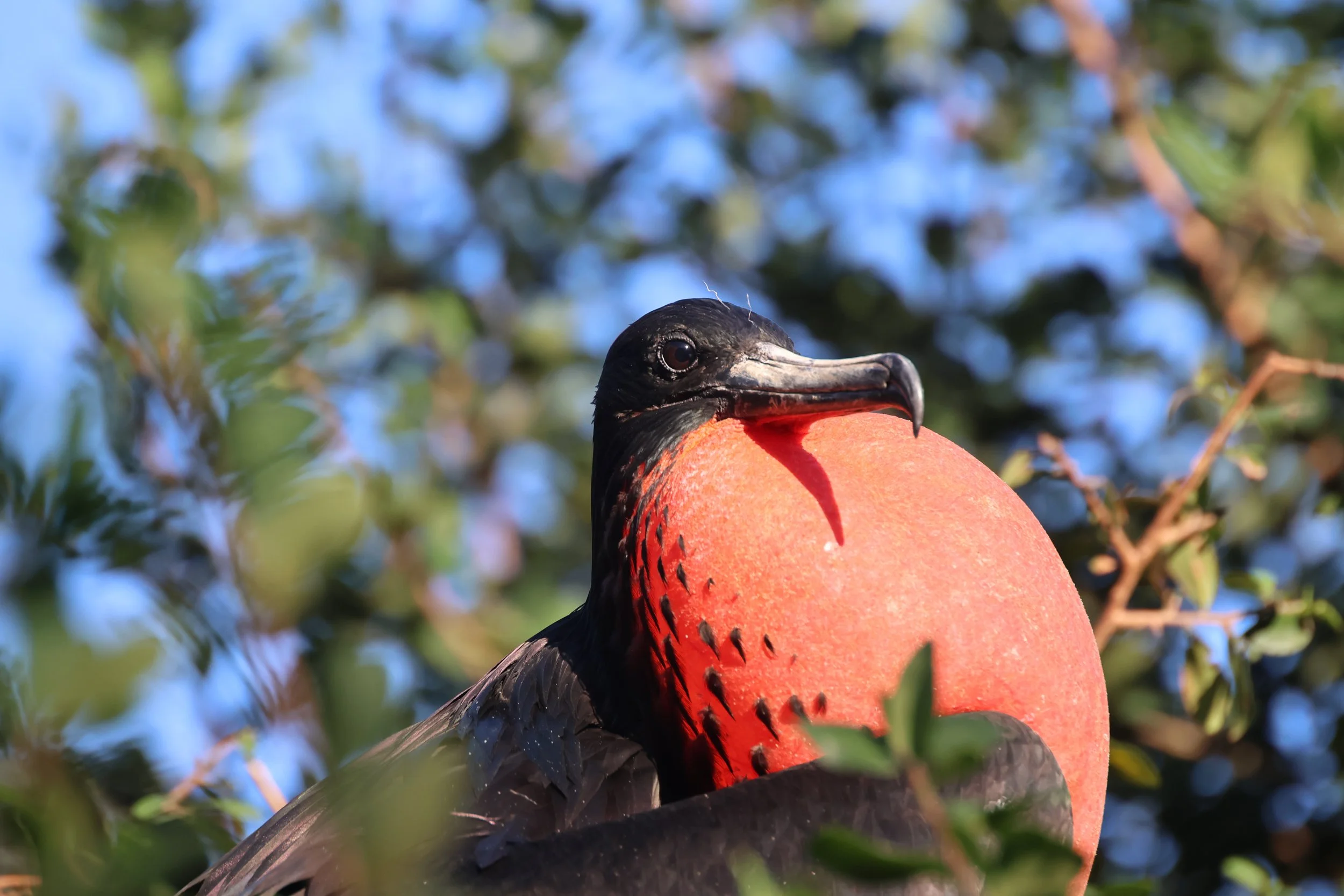
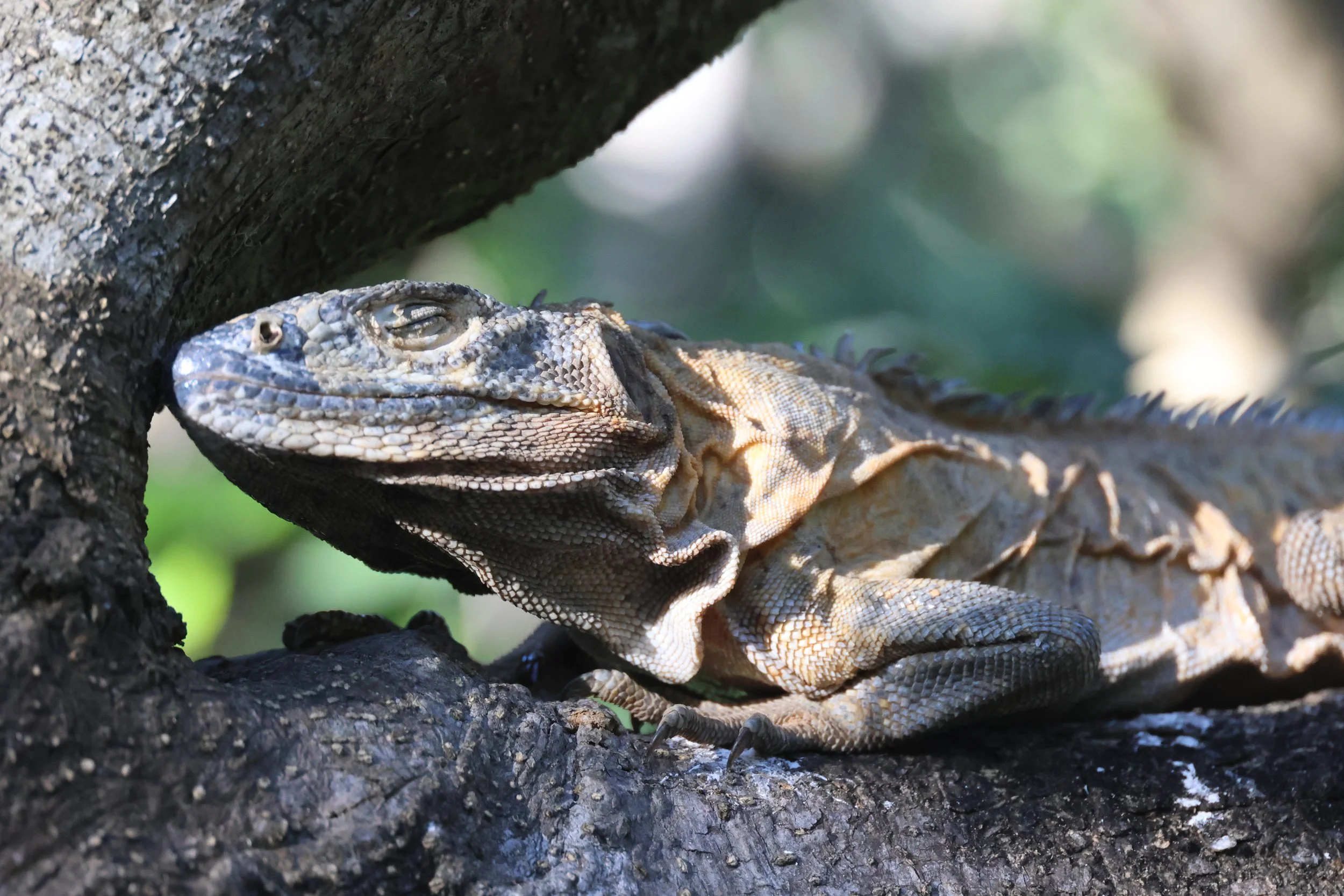
Isla Isabel is a unique place. An isolated, volcanic island, known as the “Galapagos of Mexico,” because it is a nesting area for thousands of birds, and home to many iguanas. We spent an afternoon hiking on the island, clambering over rocks to avoid getting too close to the blue-footed boobies whose nests lined the beach. The trails wove through a forest of low trees, where magnificent frigate birds sat on nests just feet from our heads, and the skies above us swarmed with them. We hiked past Lago Cráter to the fish camp near the southern anchorage, spotting a couple of iguanas and a milk snake along the way.
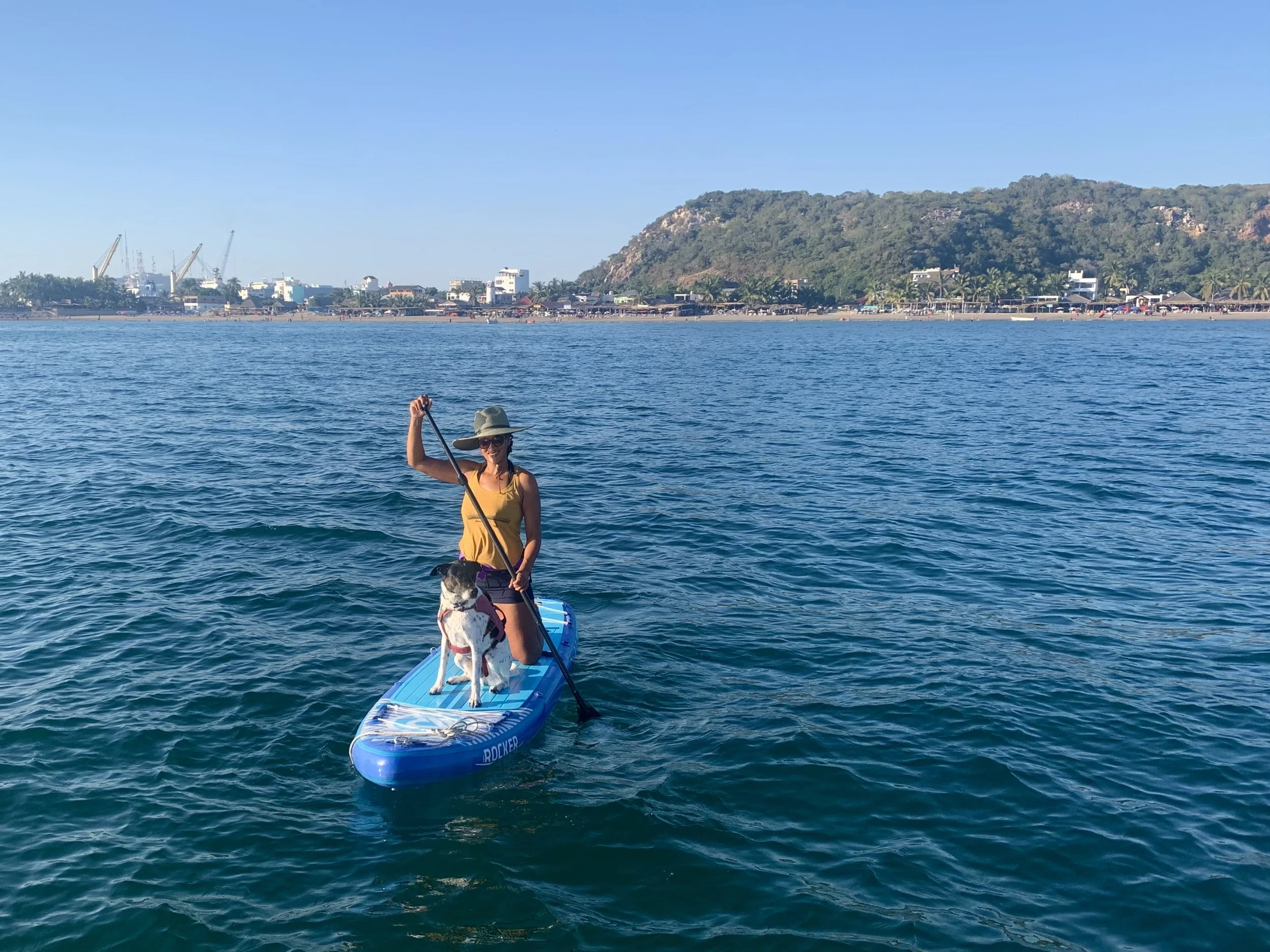
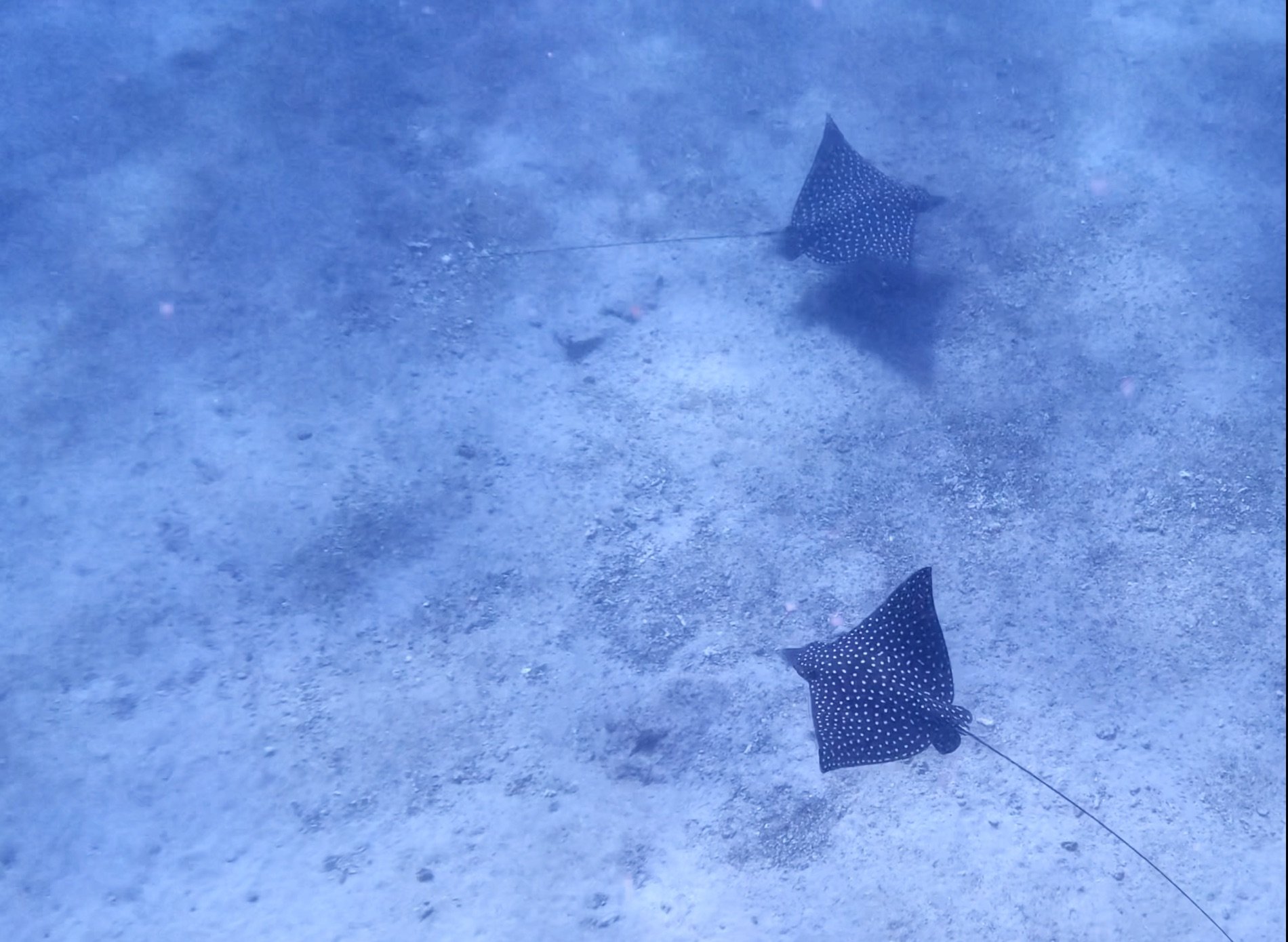
The first night anchored near the island, I woke in the night to a loud, repeated, slapping sound. Going on deck to investigate, I found a humpback whale, seemingly playing alone in the moonlight. Over and over, it slapped its tail loudly, as I sat watching, in awe of the surrealness of waking up to such an incredible show. Over the next few days, I snorkeled the nearby reef, encountering a sea turtle and several spotted eagle rays, and paddleboarded out with Desi to watch a pod of whales. I got an amazing shock when the whales surrounded us, so close that my heart rate increased significantly, and I was grateful that Desi remained calm and didn’t capsize the board!
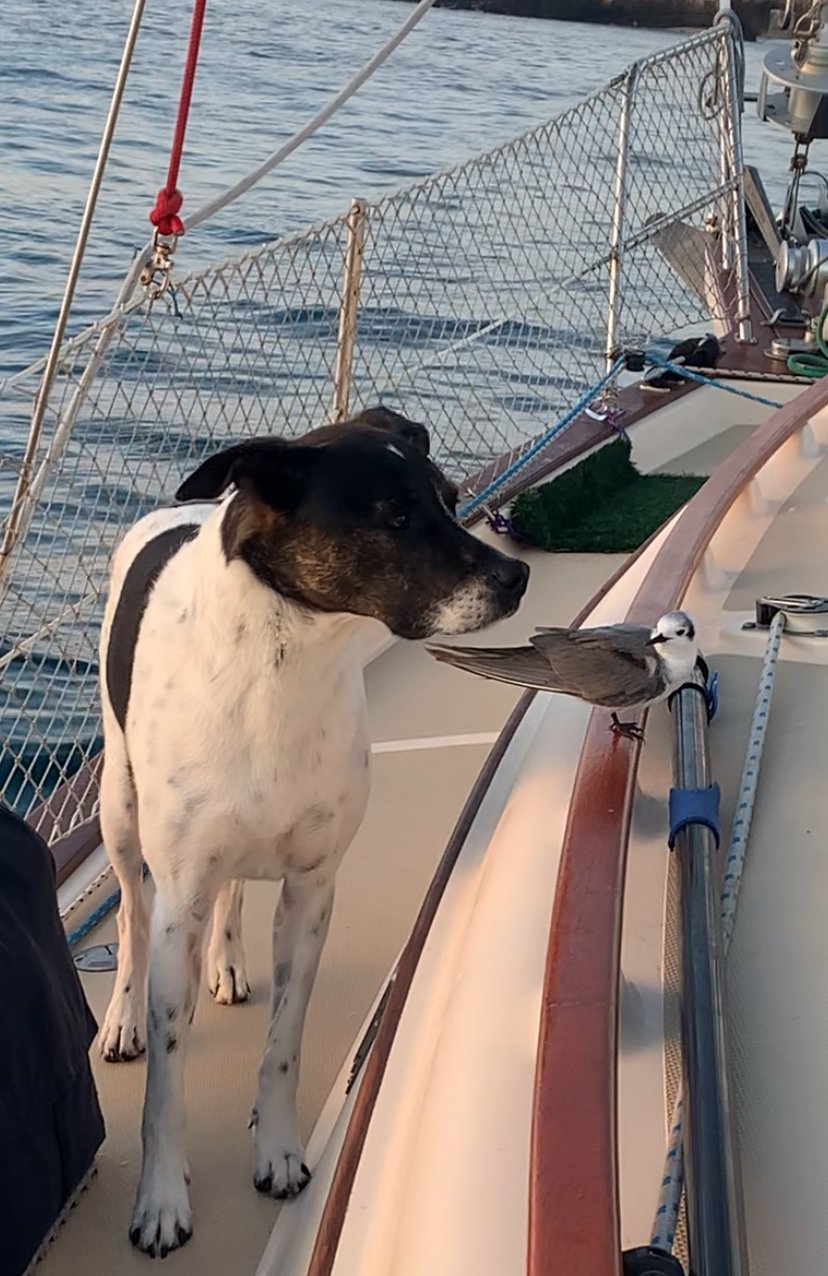
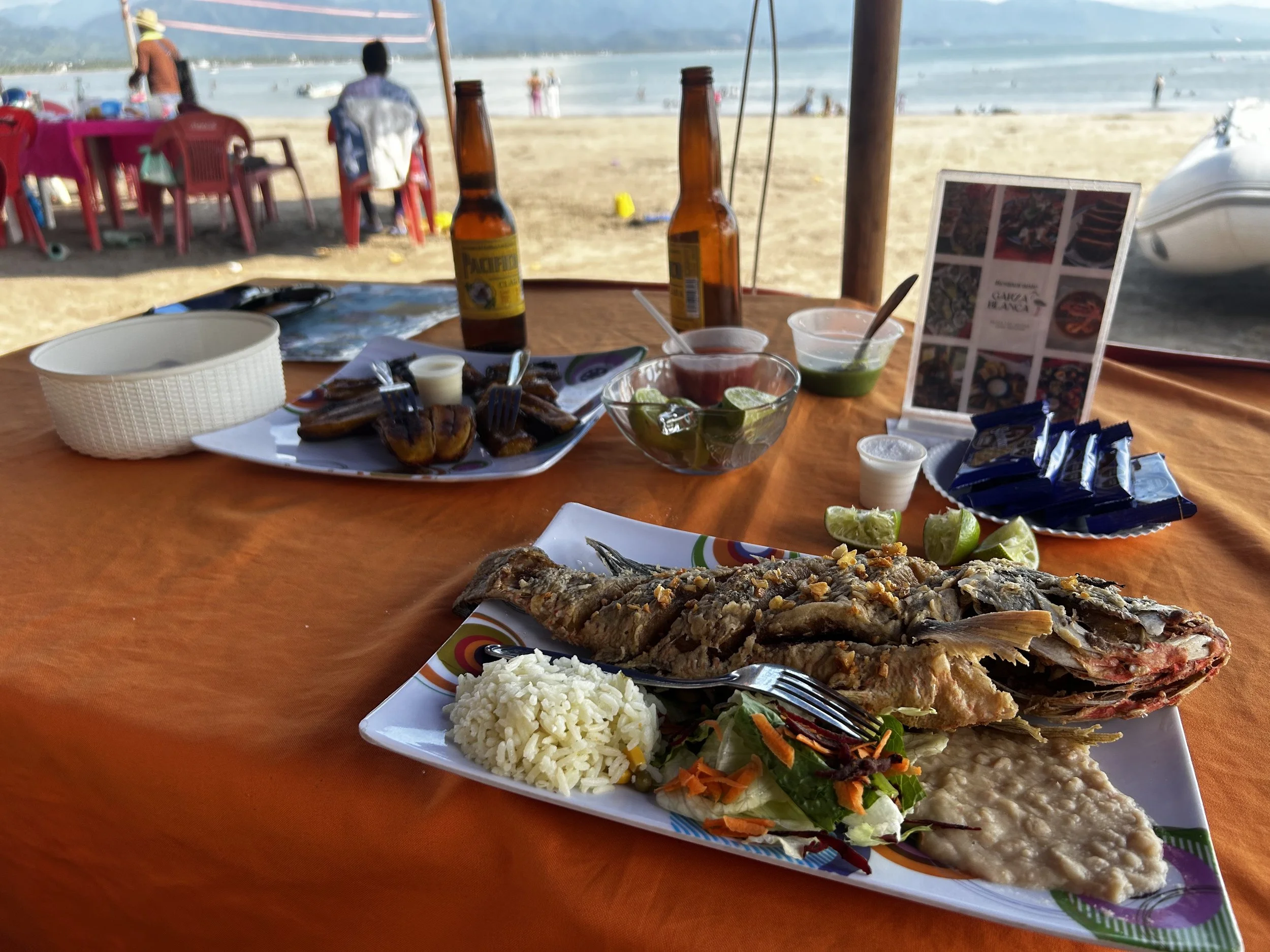
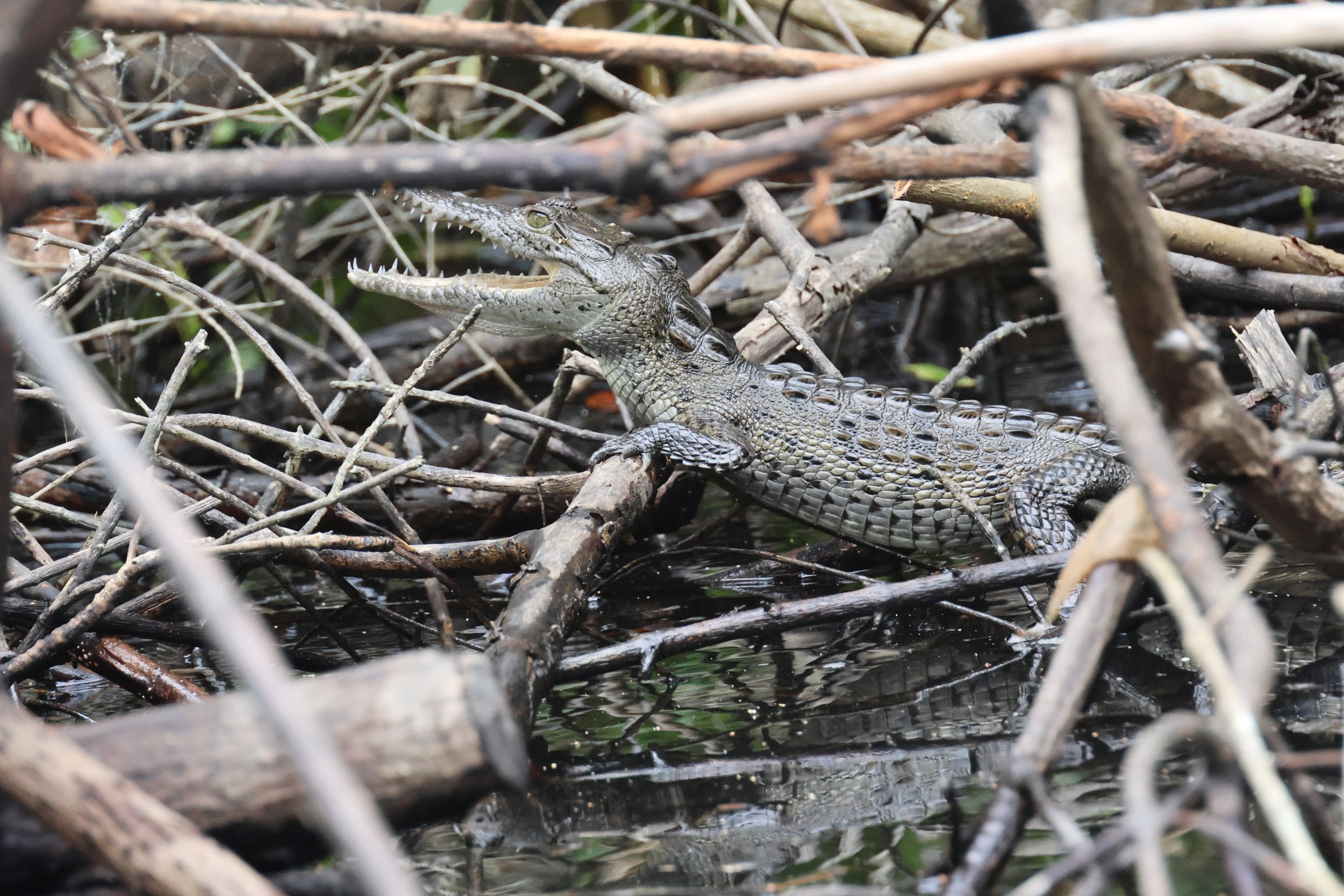
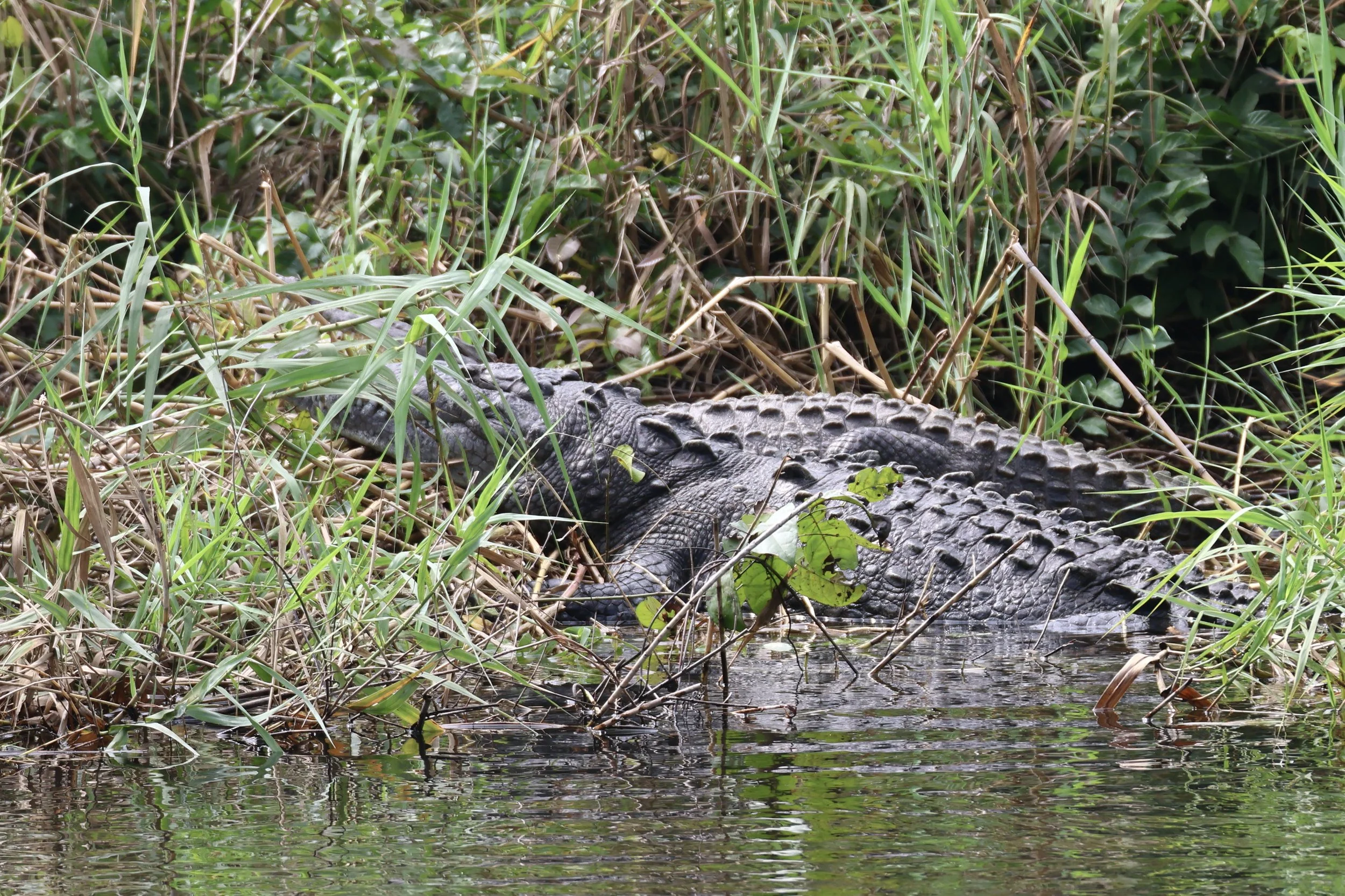
The following weekend, we left Isla Isabel before dawn and sailed nine hours to Ensenada de Matanchén on the mainland. Matanchén is a large, open bay with miles of sandy beach and several beach restaurants frequented by Mexican tourists. After beaching our dinghy, a man named Barro waved us over to his restaurant, offered to watch our dinghy, dispose of our trash, and even gave us a ride to the nearby town of San Blas. We had oysters at a waterfront restaurant, toured the lovely town, and picked up bags of produce from the market before returning for a delicious dinner at Barro’s restaurant. It was a quiet week of working on the boat and daily paddleboard trips to the beach with Desi. On Saturday, we walked to the nearby town of Tovara, where we had an incredible time on a boat tour of the mangroves, spotting several crocodiles in the wild, and touring the crocodile sanctuary.
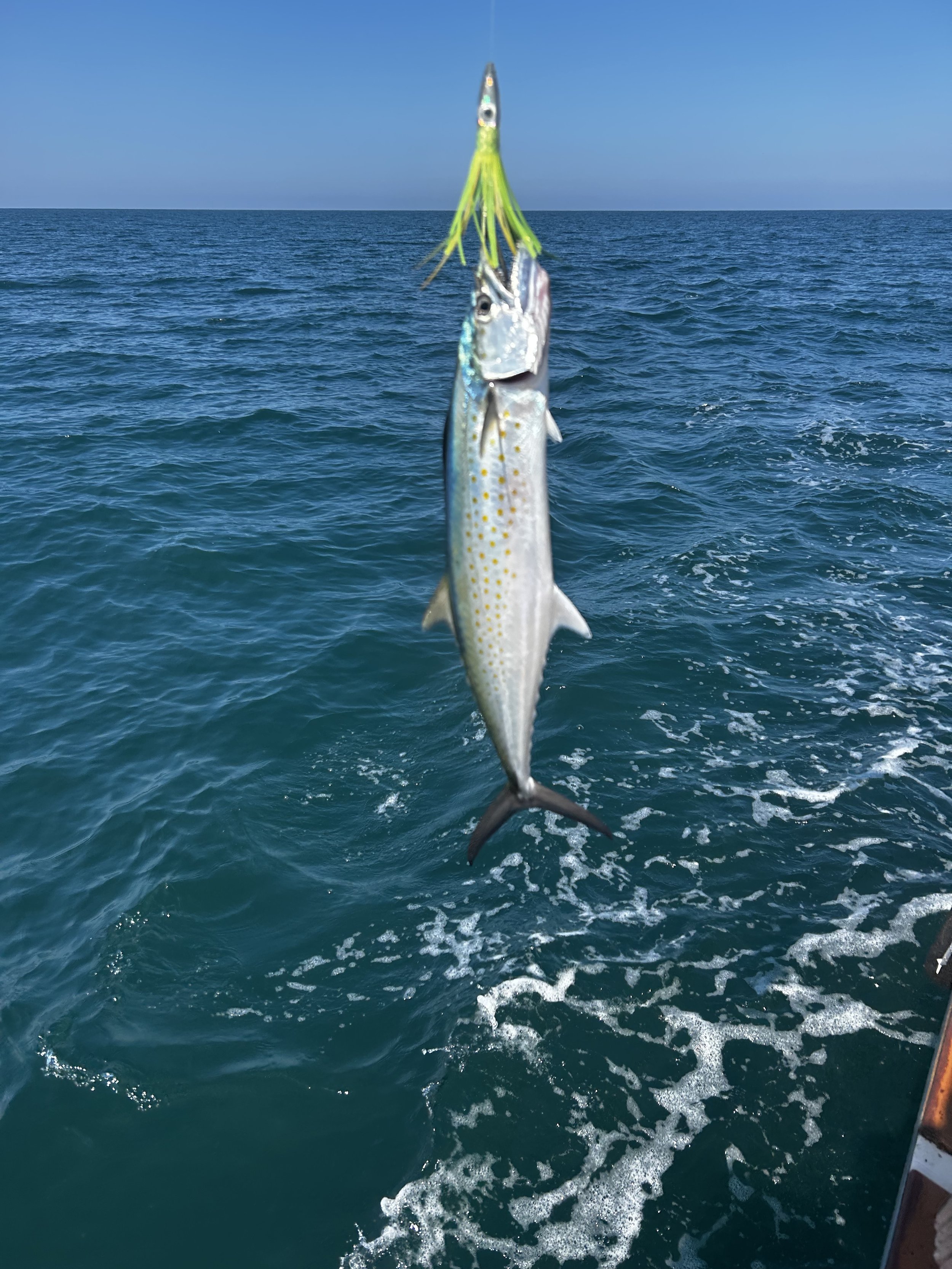
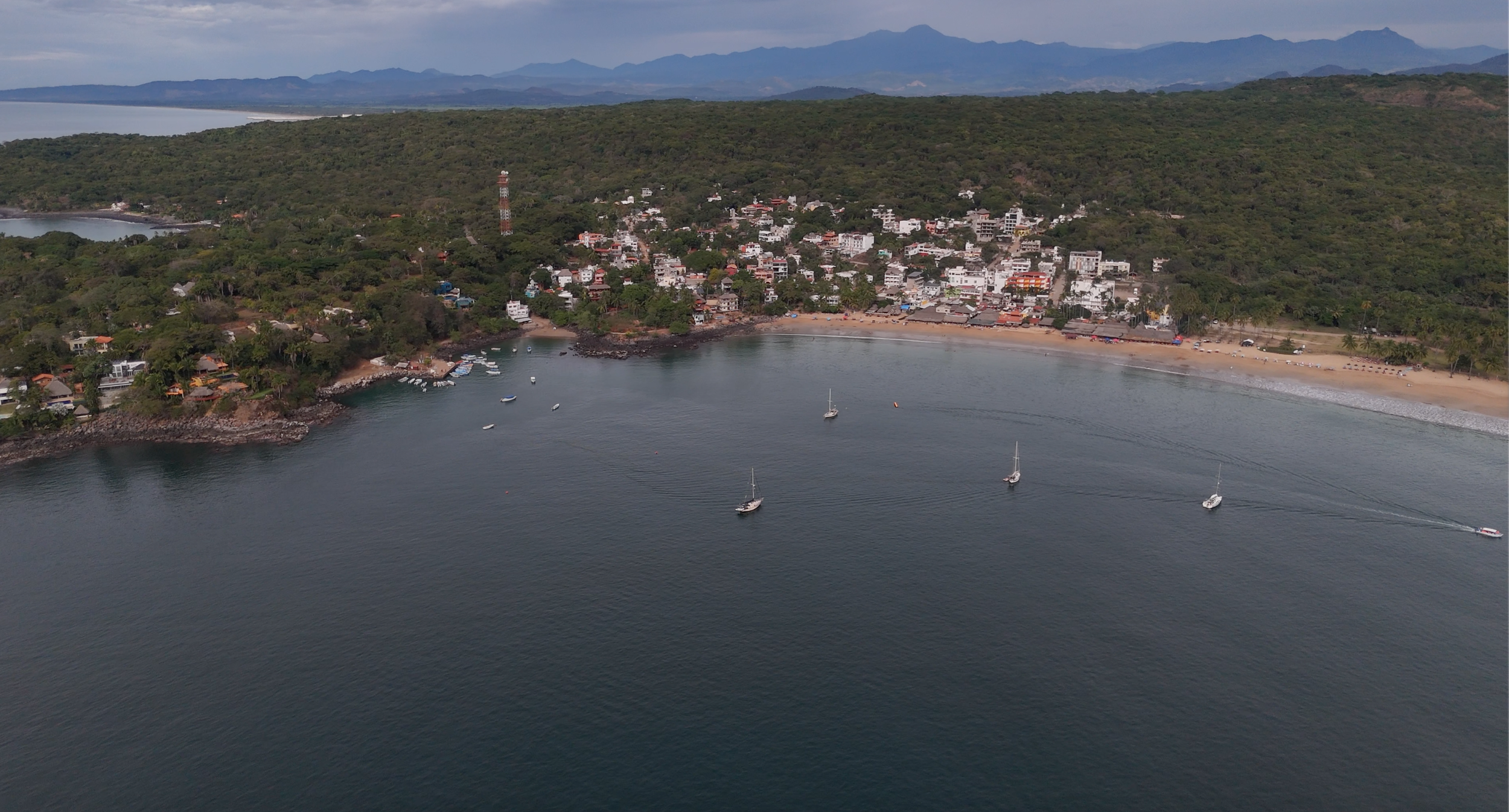
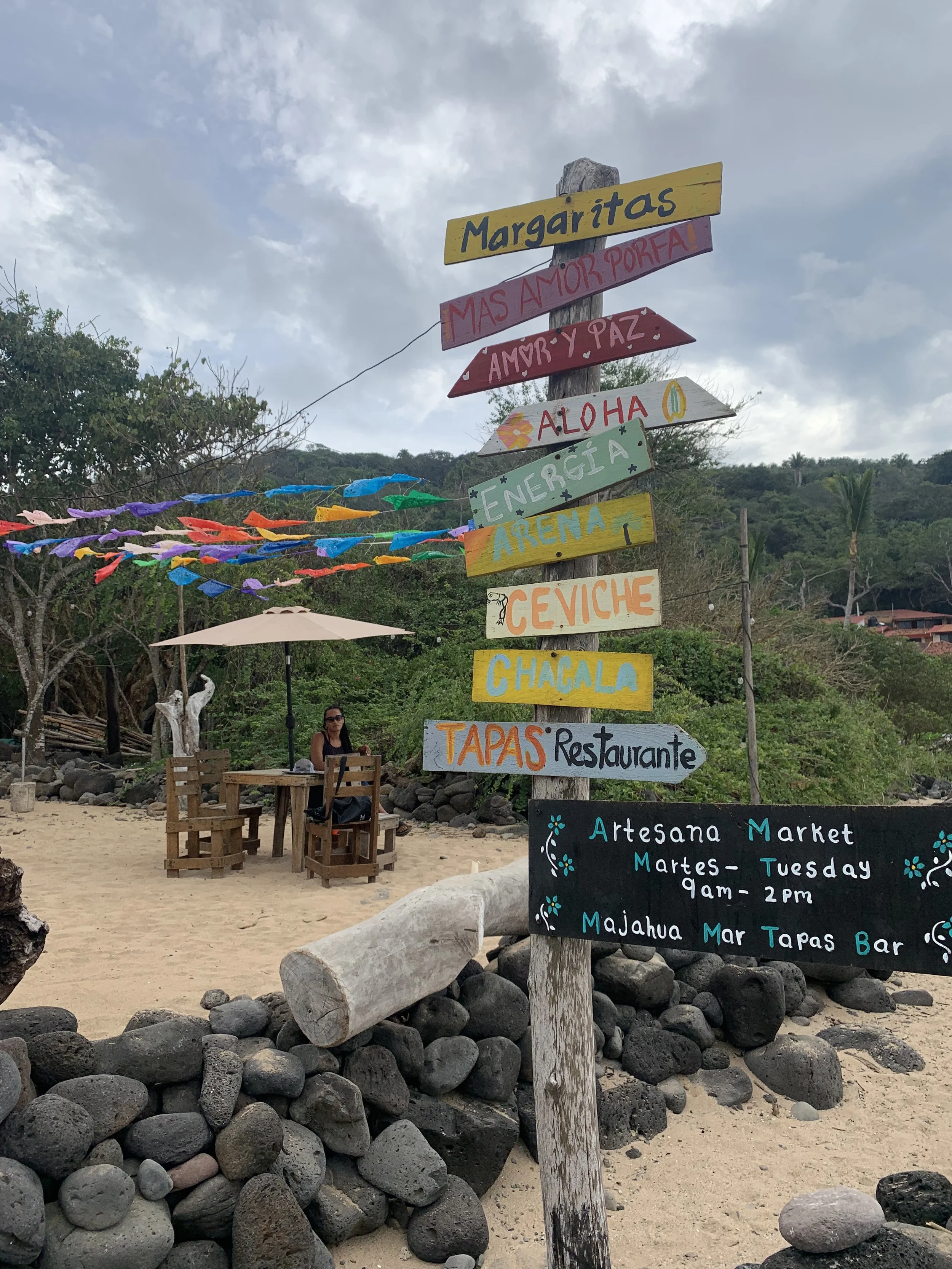
The next day, we sailed five hours south to Chacala, a picturesque little anchorage with just enough room for a handful of boats. The trip started with light winds that picked up later in the day for some excellent sailing. Karl caught a Sierra, which later became delicious tacos, and a large Crevalle Jack, which put up a tremendous fight before we decided to release it. The whales were so abundant that multiple times we diverted our course to avoid crossing their path. Once settled in Chacala, we joined a couple on a neighboring boat for a nice dinner out on the beach. The next couple of days, we paddleboarded and swam to shore to explore the small town, finding a Panadaría with delicious bread, and spending an afternoon watching a mom and baby humpback breaching in the bay.
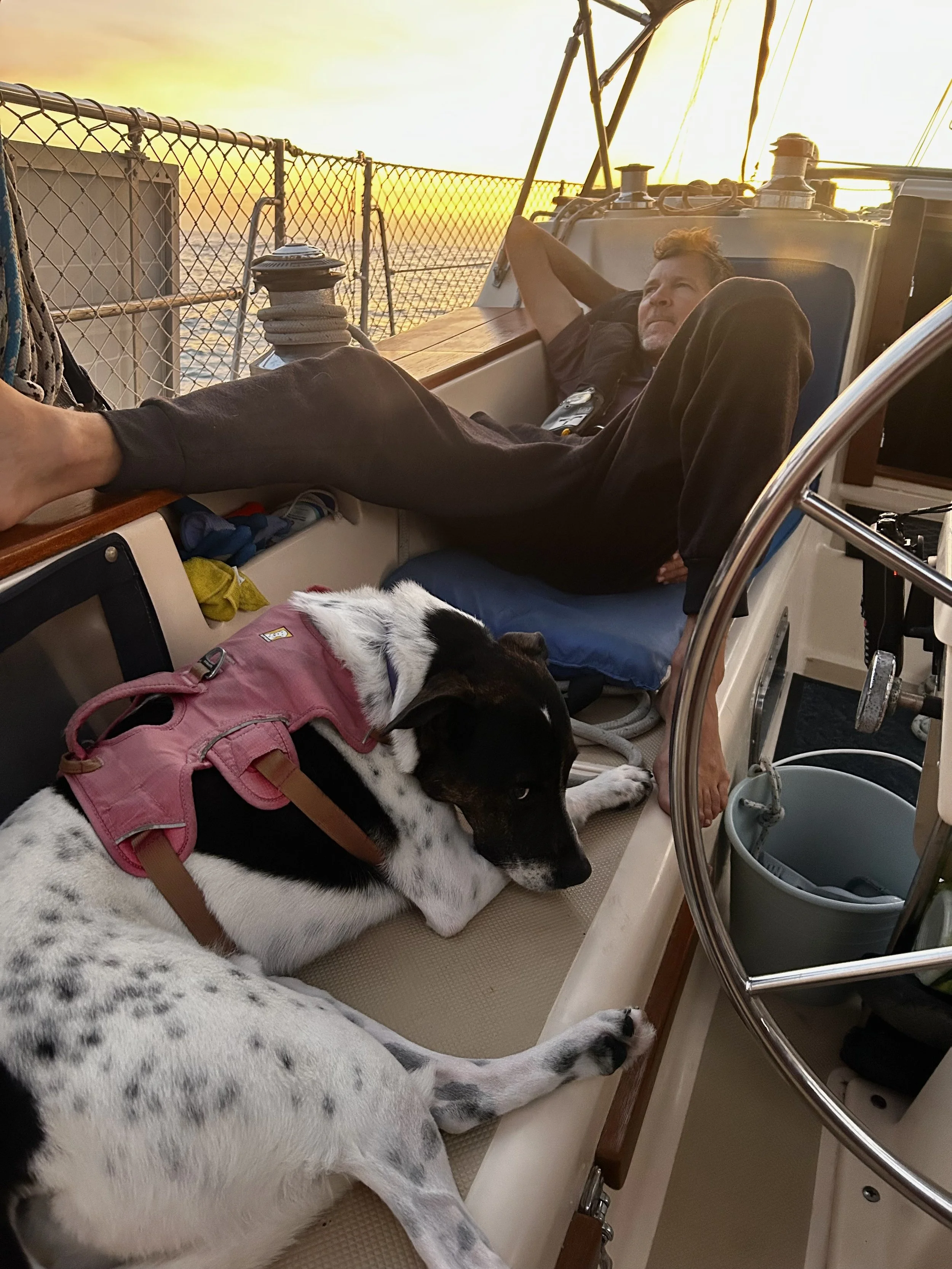
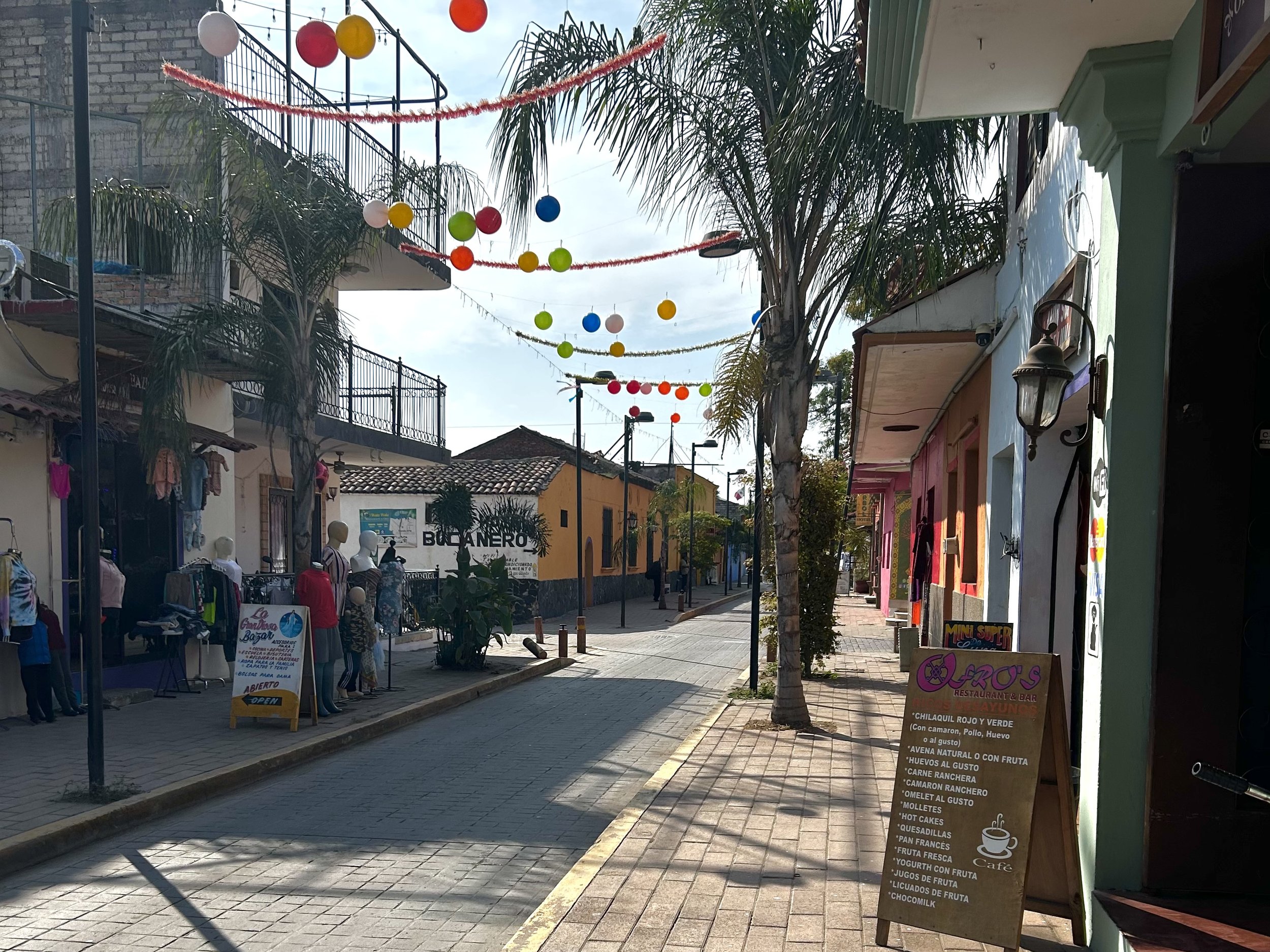
We departed Chacala at dawn for the nine-hour sail to La Cruz de Huanacaxtle in Banderas Bay. Karl kept watch the first couple of hours so I could sleep, then I took over the rest of the day while he worked below. The winds increased as the day went on, and I had a blast sailing the boat in some of the best conditions we’d had in months. I spotted countless whales along the way, as well as several sea turtles, and as we cruised into Banderas Bay, a flock of brown boobies surrounded Otaria, diving for fish all around us. As we approached the anchorage and dropped the sails, a humpback whale surfaced just yards from our boat, an occurrence that would become common in the days to come, but never ceased to take my breath away. We dropped anchor among the many boats outside the harbor and enjoyed a quiet evening aboard, looking forward to exploring the town that would be our home for the next two months, and to the arrival of friends who would join us on new adventures in Banderas Bay.